Lisbon to Porto: A Week Through Portugal's Two Great Cities and the Douro
Portugal fits inside a week better than almost anywhere in Europe. Seven days carry a traveller from the tiled hills of Lisbon, out to the palaces of Sintra, up through the terraced vineyards of the Douro, and into the granite lanes of Porto, all of it strung together by one of the continent's easiest train lines.
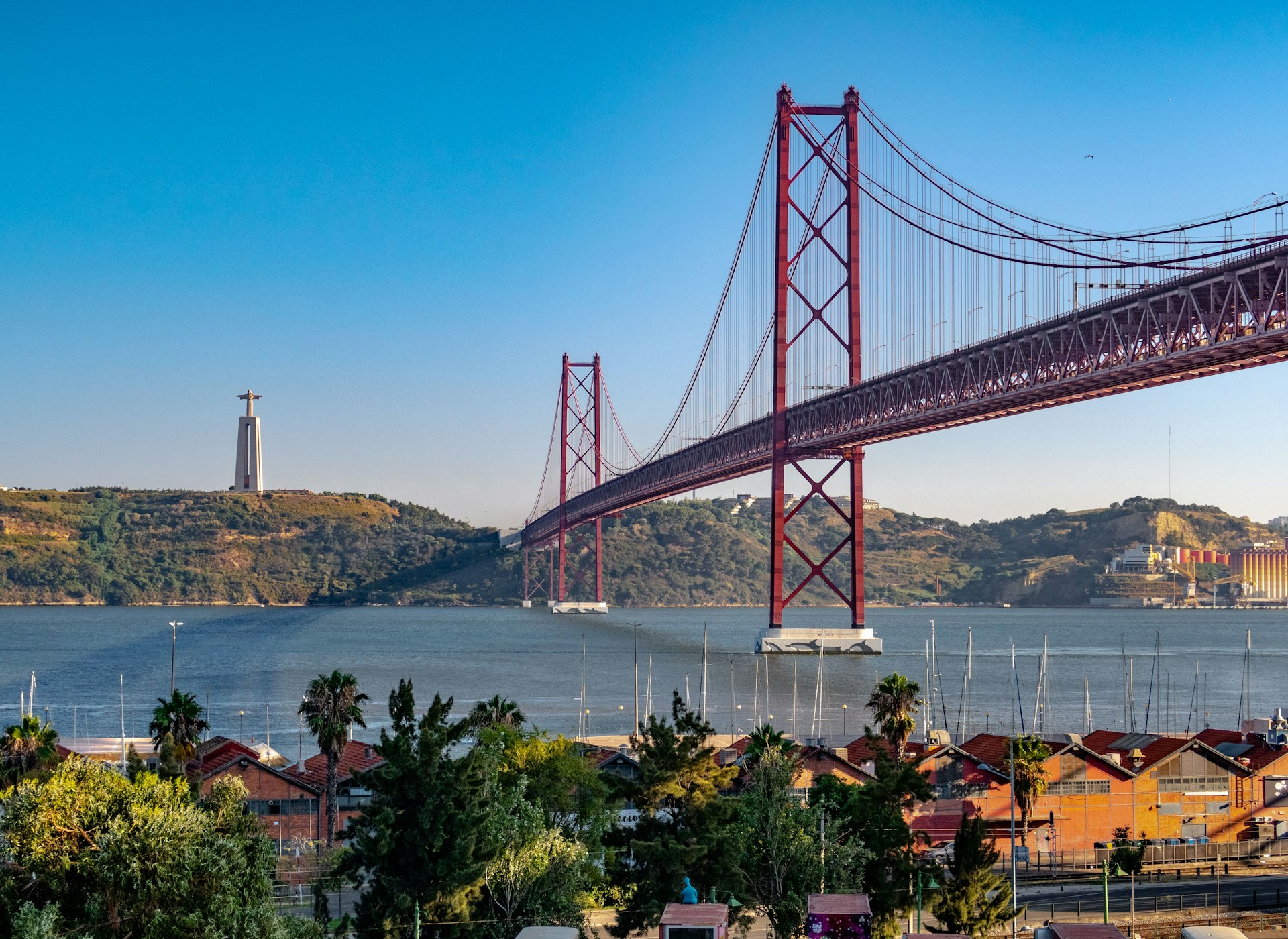
Few countries reward a single week as completely as Portugal. The distances are short, the trains are punctual and inexpensive, and the two anchor cities could not be less alike despite sitting only three hours apart. Lisbon is wide, luminous and theatrical, a capital of hills and river light. Porto is denser, older in feel, built of granite and iron and the smell of the Atlantic. Between them lies the Douro, a valley of terraced vineyards that produced port wine long before either city learned to sell it. The classic route runs south to north, and the reasons for that direction are practical as much as poetic, explained further down.
This itinerary assumes seven nights and a traveller who prefers depth to a checklist. It builds in two full cities, one of Europe's great day trips, and a stretch of wine country, without a single early alarm that is not strictly necessary. The train does the heavy lifting, which means the days themselves can stay slow. What follows is a stop-by-stop plan, followed by a table that lays the whole week out at a glance, and a set of questions travellers tend to ask before they book.
01Lisbon, the first three nights
The week begins in Lisbon, and it wants at least three nights to make sense. The city is built across seven hills above the Tejo estuary, which means it is walked in climbs and descents, punctuated by the yellow trams that grind up the steepest lanes and the miradouros, the viewpoints, that reward each climb with a spread of terracotta roofs and river beyond. A first day is best spent doing very little except this: walking, climbing, stopping for coffee, letting the shape of the place settle.
The historic core divides into a handful of districts that each hold a different mood. Alfama is the oldest, a Moorish tangle of stepped alleys below the castle that survived the great earthquake of 1755 and still feels medieval, laundry strung between windows, the sound of Fado drifting from small tavernas after dark. Above it sits the castle of São Jorge, worth the walk for the ramparts and the view alone. West of the centre, the Baixa unfolds in the grand grid rebuilt after the earthquake, running down to the riverside squares, while the Chiado and Bairro Alto climb again into bookshops, old cafés and the city's late nights.
Two cultural threads deserve deliberate time rather than a passing glance. The first is azulejos, the blue-and-white tilework that covers facades, churches and entire metro stations across the city, and which the National Tile Museum sets in five centuries of context. The second is Fado, the melancholic song form born in Lisbon's working-class quarters and now recognised by Unesco. An evening in a small Alfama Fado house, where the singing stops the room and the wine is poured without ceremony, is the single most Lisbon thing a traveller can do. Belém, a short tram ride west, adds the Manueline monastery and the tower that watched the caravels leave, along with the custard tarts that were first baked there.
For where to sleep, Lisbon rewards the small, characterful house over the international chain. Tarabel Lisbon sits in the upper town with the intimacy of a private residence, a boutique address for travellers who want the city's texture rather than its lobby. Brown's Avenue Hotel places a stay in the downtown grid, within walking reach of the Baixa and the river, useful for a first visit that wants everything on foot. For a design-led base with a lighter, more contemporary feel, Luster Hotel answers the same central geography with a cleaner aesthetic. Any of the three keeps the traveller inside walking distance of the parts of Lisbon that matter most.
02A day from Lisbon to Sintra
The fourth day leaves the city without leaving its orbit. Sintra lies less than an hour west by suburban train, a wooded hill town of palaces and gardens that the Portuguese kings and, later, the Romantic aristocracy turned into a fantasy of towers and follies. The microclimate is cooler and often misted, which is part of the spell, and the whole place is best treated as a full day rather than a rushed morning.
The set pieces are famous for good reason. The Pena Palace crowns the highest ridge in a riot of yellow and red battlements, a nineteenth-century Romantic invention that looks like a child's drawing of a castle made real. Below it, the Quinta da Regaleira hides an initiation well spiralling into the earth, grottoes and symbolist gardens that reward slow wandering. The town also holds the older National Palace with its twin conical chimneys, and, for travellers with energy left, the ruined Moorish castle strung along the ridge. Sintra rewards early arrival, since the palaces fill by late morning and the last trains back run comfortably into the evening.
Sintra is the counterweight to Lisbon's bright river light, a green and misted place where the Portuguese imagination went to build its dreams in stone.
Because Sintra returns to Lisbon the same evening, no change of hotel is needed. The traveller sleeps a fourth night in the same Lisbon base, packs in the morning, and heads to the station for the journey north. This is where the itinerary's spine, the railway, takes over.
03North to the Douro Valley
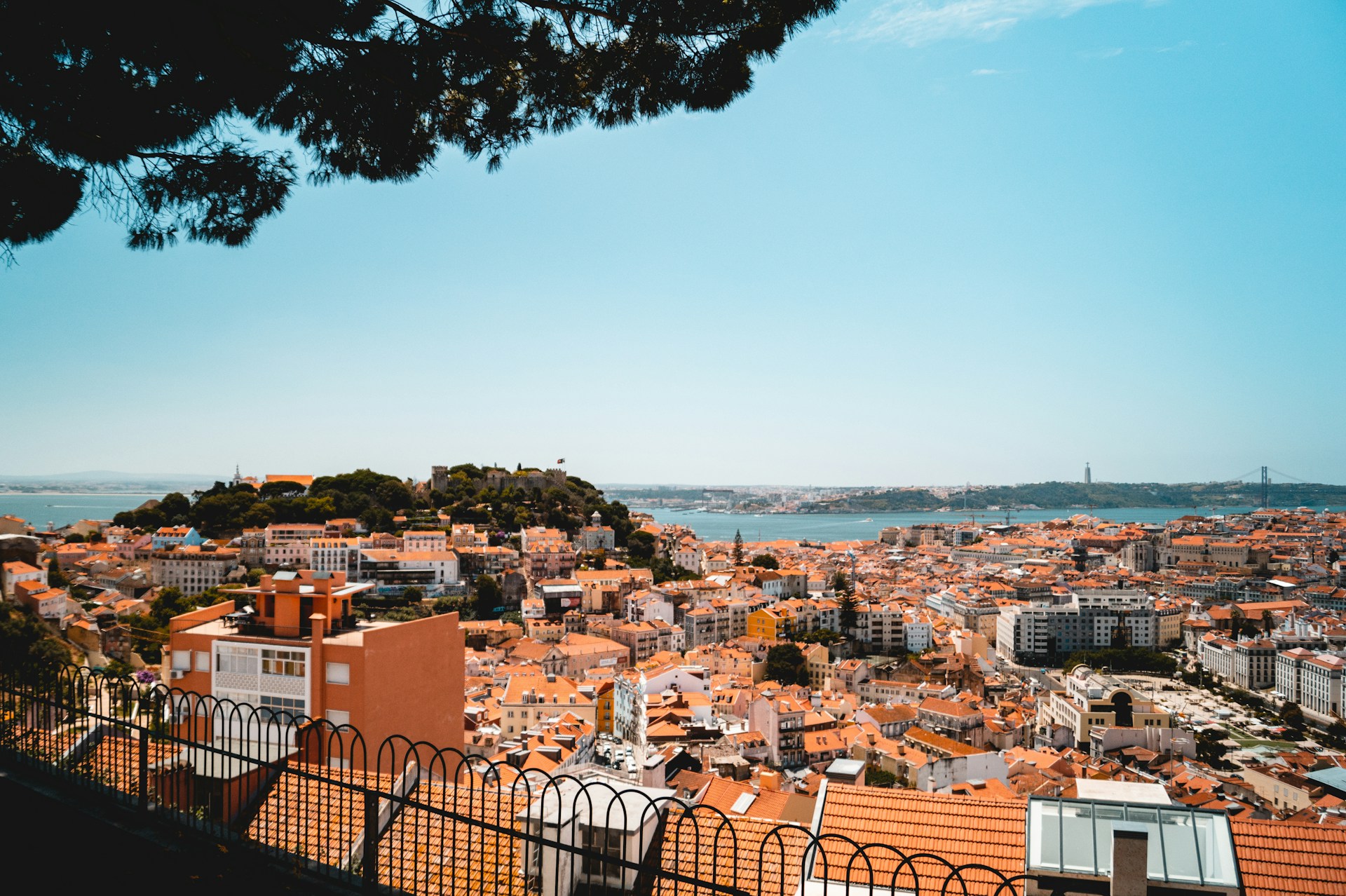
The fifth day turns the trip from city-hopping into something slower and more rural. North and east of Porto, the Douro Valley follows the river of the same name through steep terraces carved into schist hillsides over centuries of labour. This is the oldest demarcated wine region in the world, the birthplace of port, and one of the most photographed landscapes in Europe once the light drops and the terraces glow. A traveller can treat the Douro two ways, and the choice shapes the days that follow.
The first way is to make the valley an overnight, stepping off the itinerary's straight line for a night among the vineyards before continuing to Porto. The scenic railway that runs beside the river to Pinhão is itself one of the great train rides of the continent, and stepping off it into a working wine estate turns the region from a view into a stay. Monverde Wine Experience Hotel sits within its own vineyards in the wider Douro wine country and is built precisely for this, a place where the harvest, the cellar and the table are the point of the visit rather than a diversion from it. A night there, with a tasting at dusk and a dinner rooted in the region, is the difference between seeing the Douro and understanding it.
The second way suits travellers on a tighter week or without a car. The valley can be taken as a single long day from Porto, either by the Pinhão train or by a driver-guided excursion that folds in two or three quinta visits and lunch above the river. Both approaches work, and the frequently asked questions below set out how to reach the Douro without ever hiring a car. What matters is that the region enters the week at all, because a Portugal itinerary that runs city to city and skips the vineyards misses the thread that ties the two together.
04Porto, the last three nights
The trip ends where it should, on Porto, a city that repays arriving last because it lingers longest in the memory. Where Lisbon is airy and pastel, Porto is granite and weathered blue, tumbling down both banks of the Douro to the point where the river meets the Atlantic. It is smaller than the capital and easier to walk in a day, but denser in atmosphere, and three nights leave room for the city, the river and a slow final morning.
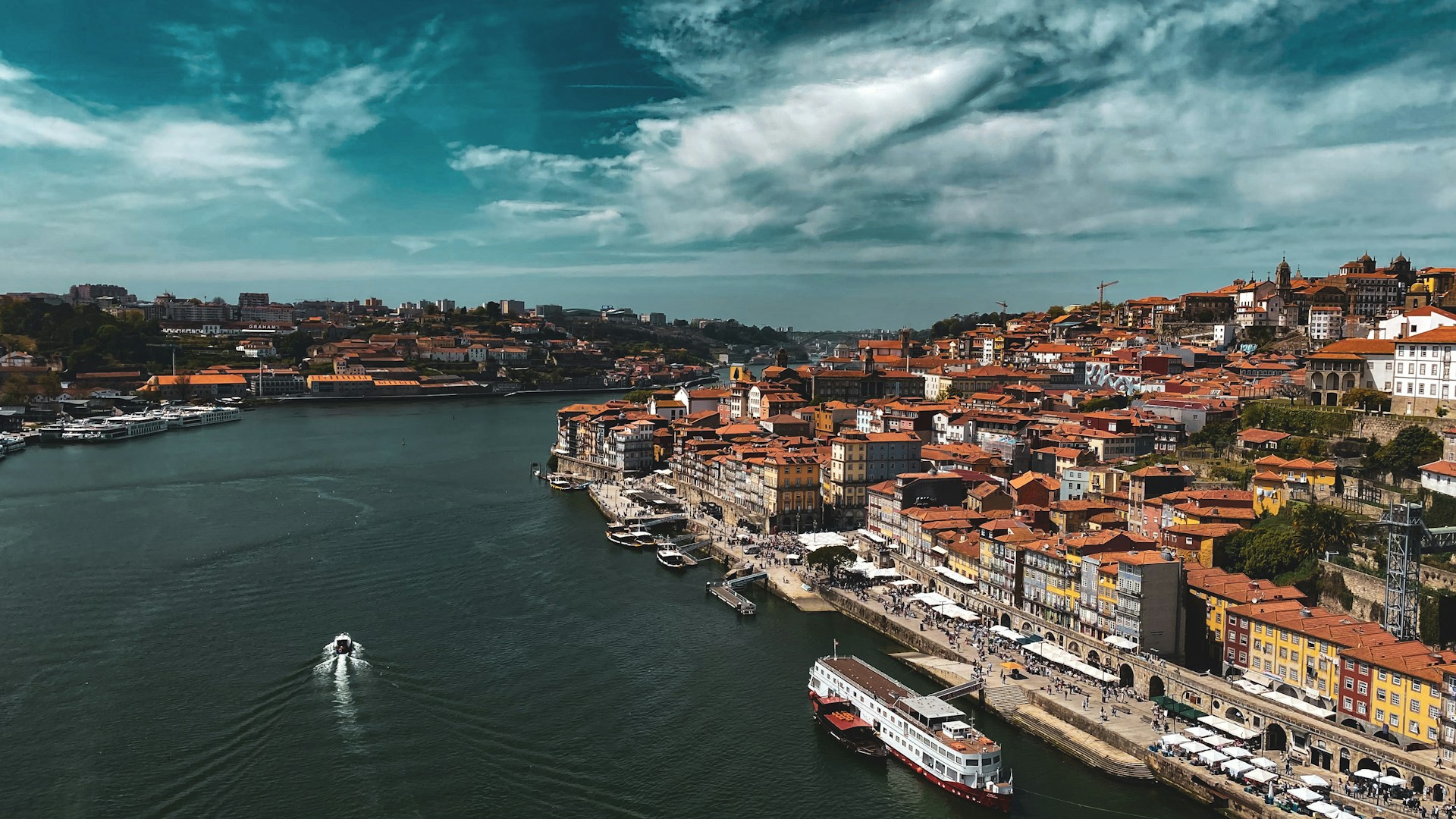
The heart is the Ribeira, the Unesco-listed riverside quarter where tall painted houses stack up the slope above the quay and the double-deck Dom Luís I bridge arcs across to the far bank. That far bank is Vila Nova de Gaia, where the port lodges have aged their wine in cool cellars for centuries and now open their doors for tastings that explain the whole trade in an hour. Crossing the upper deck of the bridge on foot at sunset, with the city gold on one side and the lodges dark on the other, is Porto's signature moment.
The city rewards curiosity beyond the river too. The Livraria Lello, a neo-Gothic bookshop with a crimson staircase, draws queues for its beauty alone. The São Bento station hall is lined floor to ceiling in azulejo panels depicting Portuguese history, a free and astonishing thing to walk into off the street. The Clérigos tower gives the classic rooftop view, and the covered market and the old cafés fill the hours between. Porto also eats richly, from the fortifying francesinha sandwich to seafood pulled straight from the coast a few minutes west.
For where to stay, Porto's best small hotels sit close to the river and the old centre. The Largo places a stay in the historic core with a design sensibility that suits the city's granite bones, a boutique base within reach of the Ribeira and the bridge. Palacete Severo offers the intimacy of a restored townhouse, the kind of small, characterful address that turns the last three nights of a trip into something more personal than a hotel stay. Either keeps the traveller walking to the river rather than commuting to it.
05An optional day on the Douro river
Travellers with a spare day, or those who chose to base in Porto rather than overnight in the valley, can fold in a river day on the fifth or sixth night's morning. A boat from the Ribeira quays runs upstream beneath the six bridges of Porto and out toward the first terraces, and longer cruises reach deep into the wine country and back within a day. It is the laziest and arguably the loveliest way to see the Douro, the terraces sliding past from the water rather than the road.
This optional day is also where a nine or ten day version of the trip earns its keep. Stretching the week by two or three nights allows both a Douro overnight and a Porto river day, or an extra night in Lisbon to slow the start. The seven-day core holds together on its own, but Portugal never punishes a traveller for staying longer, and the marginal day here buys more than it costs.
The itinerary at a glance
The table below lays the week out in order, matching each day to its base and the reason for the stop. It reads top to bottom as the traveller moves north, and it assumes the south-to-north direction the article recommends.
| Day | Base | Why |
|---|---|---|
| Day 1 | Lisbon | Arrive and settle. Walk the hills, ride a tram, watch the river from a miradouro. |
| Day 2 | Lisbon | Alfama, the castle and the azulejo museum by day, a Fado house by night. |
| Day 3 | Lisbon | Belém and the monuments, or the Chiado and Bairro Alto for shops and cafés. |
| Day 4 | Lisbon | Day trip to Sintra for the palaces and gardens, back to the same bed at night. |
| Day 5 | Douro Valley | Scenic train north to a wine estate, a tasting at dusk, dinner among the vines. |
| Day 6 | Porto | Continue to Porto. The Ribeira, the bridge and the port lodges of Gaia. |
| Day 7 | Porto | Lello, São Bento, the tower and the market, or an optional Douro river cruise. |
Read as a whole, the plan does something quietly clever. It front-loads the capital, uses Sintra as a break without a change of hotel, then treats the Douro as the hinge between the two cities rather than a detour from either. The train, not the car, is the through-line, and the only stretch that ever asks for a driver is the valley, and only if the traveller wants a night among the vineyards rather than a day trip from Porto.
Why south to north, and not the reverse
The direction is a genuine choice, and both work, but running south to north has real advantages. Most long-haul travellers arrive into Lisbon, the larger international hub, which makes it the natural place to shake off a flight and start slow. It puts Sintra, a day trip that needs energy, early in the week when legs are fresh. And it saves Porto and the Douro, the quieter and more atmospheric end of the trip, for last, so the week deepens rather than winds down. Ending on the river at sunset from the Dom Luís bridge is a better final image than ending in a capital's traffic.
The reverse works for anyone flying into Porto or continuing south afterward, and nothing about the route forbids it. But for a first trip built around a single week, the southward-to-northward reading gives the smoothest arc, which is why this itinerary is written that way.
Frequently asked questions
| Question | Answer |
|---|---|
| How many days do I need for Lisbon and Porto? | A week is the comfortable minimum for both cities plus a taste of the country between them. I would give Lisbon three nights, take a day trip to Sintra from that base, and spend the last three nights in Porto, adding the Douro either as an overnight or a day trip. Five days can cover just the two cities, but seven lets the trip breathe. |
| Is there a train from Lisbon to Porto? | Yes, and it is the easiest way to travel between them. Fast intercity trains run frequently between the two cities and take roughly three hours, with comfortable seats and river and countryside views for much of the way. Booking a few days ahead usually secures the lowest fares, and the stations sit close to the centre of each city. |
| Can I visit Portugal without a car? | Absolutely, and most of this itinerary is designed for it. Lisbon, Sintra and Porto are all reached by train and walked on foot, and the only stretch that traditionally wants a car is the Douro. Even there, I can take the scenic railway to Pinhão or book a driver-guided day from Porto, so a whole week runs smoothly without ever hiring a car. |
| What is the best season for a Lisbon to Porto trip? | Late spring and early autumn are ideal, roughly May to June and September to early October. The weather is warm but not fierce, the crowds are lighter than in high summer, and September brings the Douro grape harvest, which adds a great deal to a wine day. Winter is mild and quiet but wetter, especially in Porto and the north. |
| Should I add the Douro Valley? | If time allows, yes, since the Douro is the thread that ties the two cities together. It can be an overnight at a wine estate on the way north, or a single long day from Porto by train or driver-guided tour. Even a day among the terraced vineyards, with a tasting and lunch above the river, is one of the highlights of a Portugal week. |
| Is it better to start in Lisbon or Porto? | For most first trips, starting in Lisbon and ending in Porto reads best. Lisbon is the larger arrival hub, Sintra sits early in the week when energy is highest, and finishing on Porto and the Douro saves the quieter, more atmospheric end for last. Anyone flying into Porto can simply run the same plan in reverse. |
| How do I get from Lisbon to Sintra? | Sintra is an easy day trip by suburban train, under an hour from central Lisbon, with frequent departures throughout the day. Because the visit returns the same evening, I keep the same Lisbon hotel and travel with just a day bag. Arriving early is worth it, since the palaces fill by late morning. |
| Where should I stay in each city? | In both cities I would choose a small, characterful hotel inside walking distance of the historic centre rather than a large chain on the edge. In Lisbon that means the upper town or the downtown grid near the river, and in Porto it means close to the Ribeira and the bridge. The right base turns the whole week into something walked rather than commuted. |
A week is enough to feel the shape of Portugal without rushing it: the river light of Lisbon, the misted palaces of Sintra, the slow terraces of the Douro, and finally Porto, gold above its own dark water. The train carries a traveller through all of it, and the only real decision left is how many extra nights to steal along the way.