The Grand Cafés of Europe: Six Cities, Six Rituals
From Vienna's UNESCO-protected Kaffeehäuser to Rome's standing espresso ritual. A journey through six cities where coffee shaped revolutions, literature, and the art of doing nothing.
The café arrived in Europe as an Ottoman import and became something else entirely. In Vienna, it turned into an extension of the living room. In Paris, a stage for existential debate. In Budapest, a gilded temple. In Rome and Milan, a ritual performed standing, in under two minutes, multiple times per day. Each city took the same dark beans and invented its own civilization around them.
This is not a history of coffee. It is a map of six cities where the café became inseparable from the culture itself, where writers wrote, revolutions brewed, and doing nothing became an art form. Six rituals. Six ways of understanding what it means to sit, or stand, with a cup in hand.
Vienna: Where Time and Space Are Consumed
The Austrian writer Stefan Zweig described the Viennese coffeehouse as "a sort of democratic club, open to everyone for the price of a cheap cup of coffee, where every guest can sit for hours with this little offering, to talk, write, play cards, receive post, and above all consume an unlimited number of newspapers and journals."
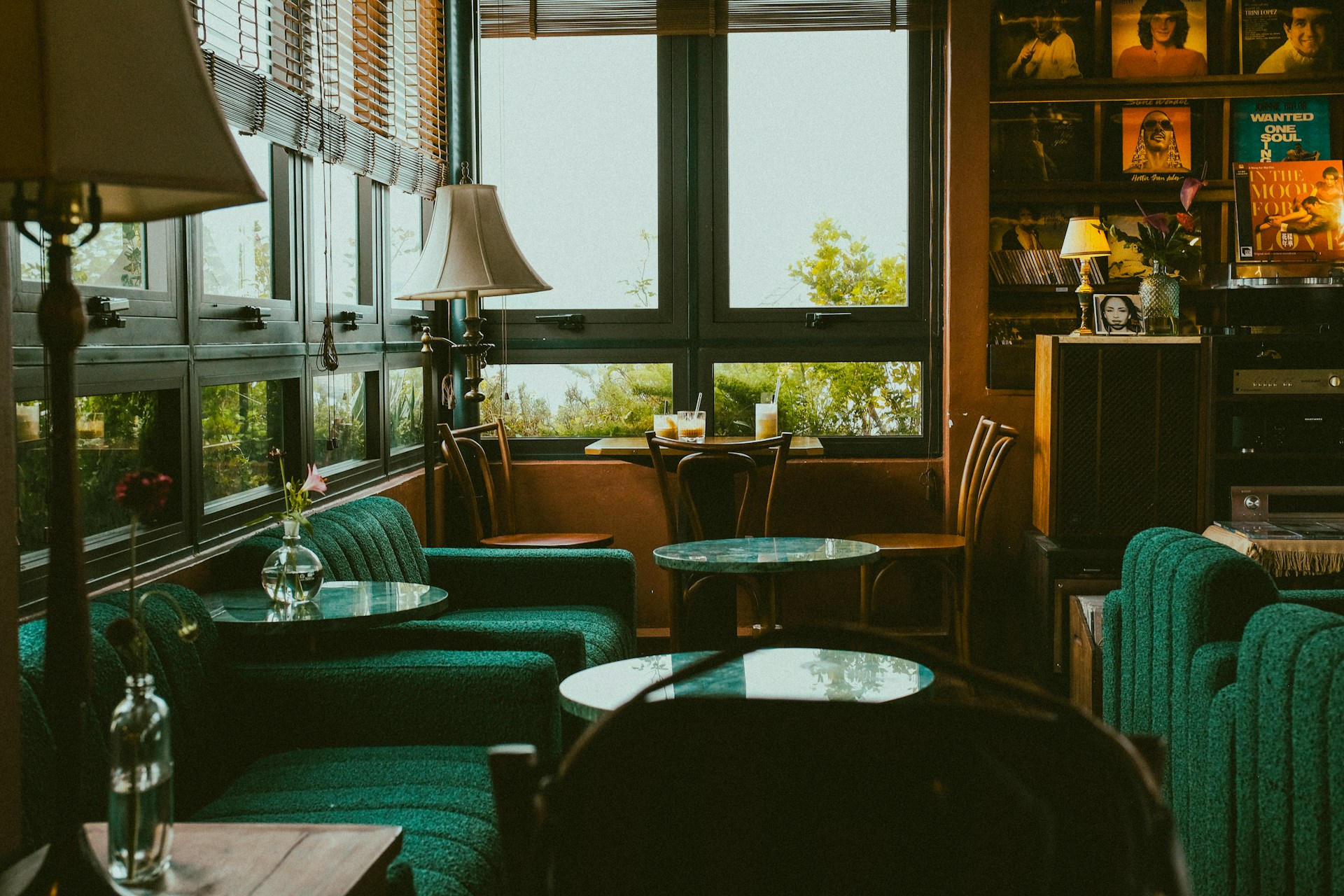
That description, written in the early twentieth century, still holds. Walk into Café Central or Café Sperl today and the ritual remains intact: the marble tabletops, the bentwood Thonet chairs, the newspapers hung on wooden racks, the waiter in black and white who brings a glass of water alongside your Melange without being asked. The water, incidentally, is not decorative. It arrived as a tradition in 1873, when Vienna's First Mountain Spring Pipeline came online, and coffeehouse owners began showing off the quality of their supply.
UNESCO recognized Viennese Kaffeehauskultur as Intangible Cultural Heritage in 2011. The designation acknowledges not buildings but practices: the forty-plus varieties of coffee preparation, the service protocols, the understanding that in a Viennese coffeehouse, "time and space are consumed, but only the coffee appears on the bill."
The history begins, as most Viennese legends do, with the Turks. After the failed Ottoman siege of 1683, the story goes, retreating soldiers left behind sacks of strange green beans that the Viennese initially mistook for camel feed. A spy named Johannes Theodat, who had served at the Habsburg court and knew what coffee was, opened the first coffeehouse in 1685. Whether the siege story is accurate matters less than what followed: by 1790, Vienna had seventy coffeehouses. By 1900, more than six hundred.
The coffeehouses became laboratories. Freud worked in them. Klimt sketched. Trotsky played chess. In a single year, 1913, Hitler, Stalin, Trotsky, and Tito were all living in Vienna, all frequenting its coffeehouses, none yet the figures they would become. The Café Central alone hosted enough writers to generate its own literary category: Kaffeehausliteratur, coffeehouse literature. Peter Altenberg, the poet, had his mail delivered to the Central. His visiting card listed the café's address as his own.
The tradition survived Nazism, which devastated coffeehouse culture by forcing Jewish proprietors and patrons into exile or worse. It survived the postwar years, when Italian-style espresso bars seemed modern and the old coffeehouses seemed outdated. It survives today, though the line between authentic institution and tourist attraction grows thinner in some establishments.
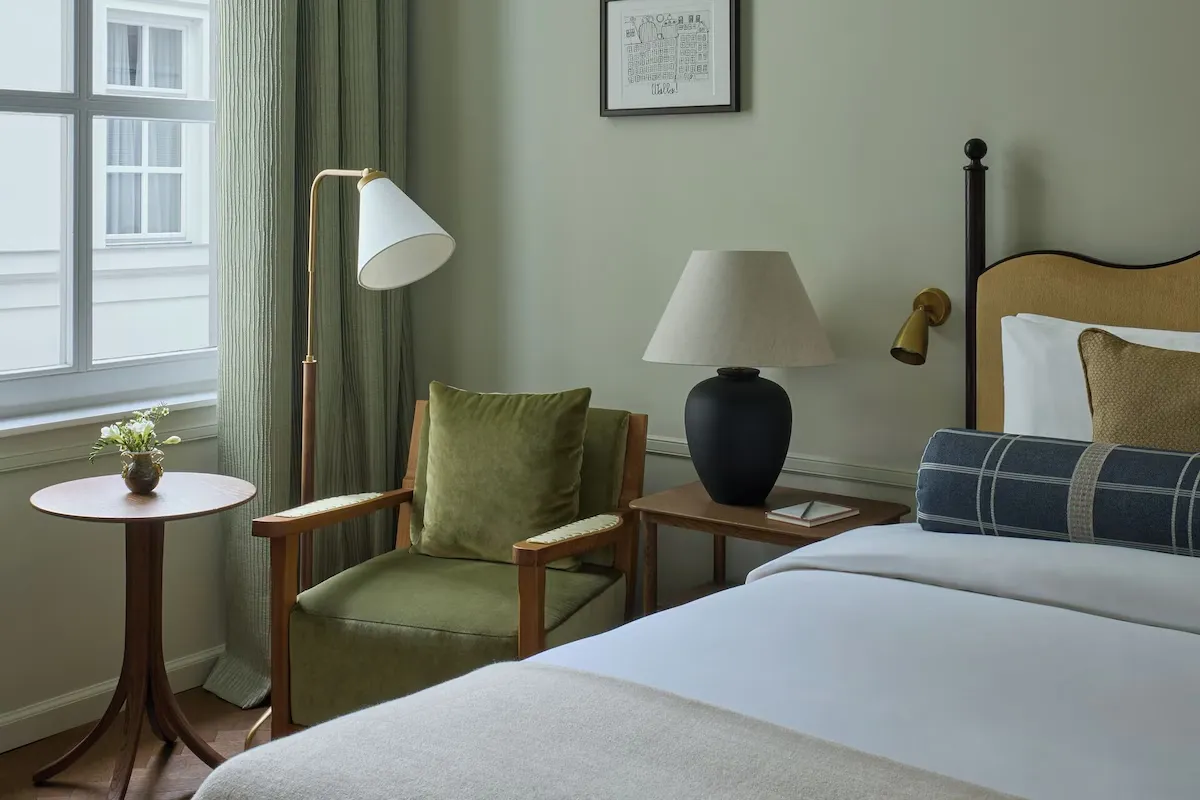
Palais Rudolf occupies a fin-de-siècle building on Rudolfsplatz, in the Innere Stadt, Vienna's first district. Named after Crown Prince Rudolf of Austria-Hungary, the property opened recently as a boutique hotel that channels the spirit of the traditional Altbau, the old Viennese townhouse. Soft, warm tones. Locally sourced antiques. Le Labo amenities in the bathrooms. The Baroness restaurant and bar, named after a young aristocrat who shared a storied romance with the Crown Prince, brings Italian flair to the building's ground floor.
The location matters. The Innere Stadt remains the heart of coffeehouse Vienna. Café Central is a short walk. So is Café Prückel, Café Hawelka, Café Sperl. The air here, Zweig once noted, carries the scent of age-old coffeehouses. Palais Rudolf sits within that aroma, a place to return to after a morning spent with newspapers and Melange, to rest before the next café, the next glass of water, the next hour consumed but not charged.
Budapest: The Most Beautiful Café in the World
At the turn of the twentieth century, Budapest had five hundred coffeehouses. They served as salons, meeting places, creative workshops. Writers and poets formed the regular clientele. Ink and paper were provided free. Discounted "writer's menus" of bread, cheese, and cold cuts kept artists fed while they worked at their regular tables, sometimes from Saturday evening until Monday morning.
The playwright Ferenc Molnár captured the rhythm: "You'd enter the New York Café on a Saturday evening, drink a coffee, and wouldn't leave until Monday morning."
The New York Café, opened in 1894, became the most legendary of all. Designed by the architect Alajos Hauszmann, the interior resembled a ballroom more than a coffeehouse: gilded ceilings, stucco ornaments, marble columns, chandeliers, frescoes by nineteenth-century Hungarian painters. Fourteen bronze fauns guarded the exterior, symbols of sensuality and mockery. Inside, a figure called "El Asmodai" represented the spirit of coffee and thinking, inspiring the artists who gathered below.
The editorial staffs of Pesti Napló, Nyugat, and the Est-lapok newspapers worked here. The guest book records visits from Josephine Baker, Thomas Mann, Maurice Ravel. The café witnessed the creation of much of modern Hungarian literature. Nyugat, the influential literary journal that defined Hungarian modernism, was founded in a different Budapest coffeehouse, Café Centrál, in 1908, but the New York remained the grandest stage.
Then history intervened. The two world wars damaged the building. The communist regime, suspicious of coffeehouses as breeding grounds for dissent, closed the most popular establishments or stripped them of their character. The New York became the Hungária Kávéház, neglected and diminished. Many coffeehouses simply disappeared.
The revival began after 1989. The New York was restored to its original splendor in 2006 by Italian owners who understood the value of preservation. Today it operates as a living monument to Budapest coffee culture, gilded ceilings intact, tourists and locals mixing beneath the chandeliers. The prices are steep. The spectacle is worth it.
Café Gerbeaud, on Vörösmarty Square, represents a different tradition. Opened in 1858 by Henrik Kugler and later taken over by Swiss pastry chef Émile Gerbeaud, it became famous for its confections: the Gerbeaud cake with its layers of sponge, walnut, and jam beneath dark chocolate; the konyakosmeggy, sour cherries soaked in cognac and covered in chocolate. Empress Elisabeth, known as Sissi, reportedly visited. The café's elegant salons, bright and formal, contrast with the theatrical darkness of the New York.
The revolution of 1848 started in a Budapest coffeehouse. Radical intellectuals led by the poet Sándor Petőfi gathered at Café Pilvax to finalize their "Twelve Points" demanding freedom from Habsburg rule. From there they marched to print their demands illegally, gathering thousands, sparking a revolution that changed European history. The fact that it happened over strong coffee, in a room designated for political discussion, makes it a founding myth of coffeehouse culture as political incubator.
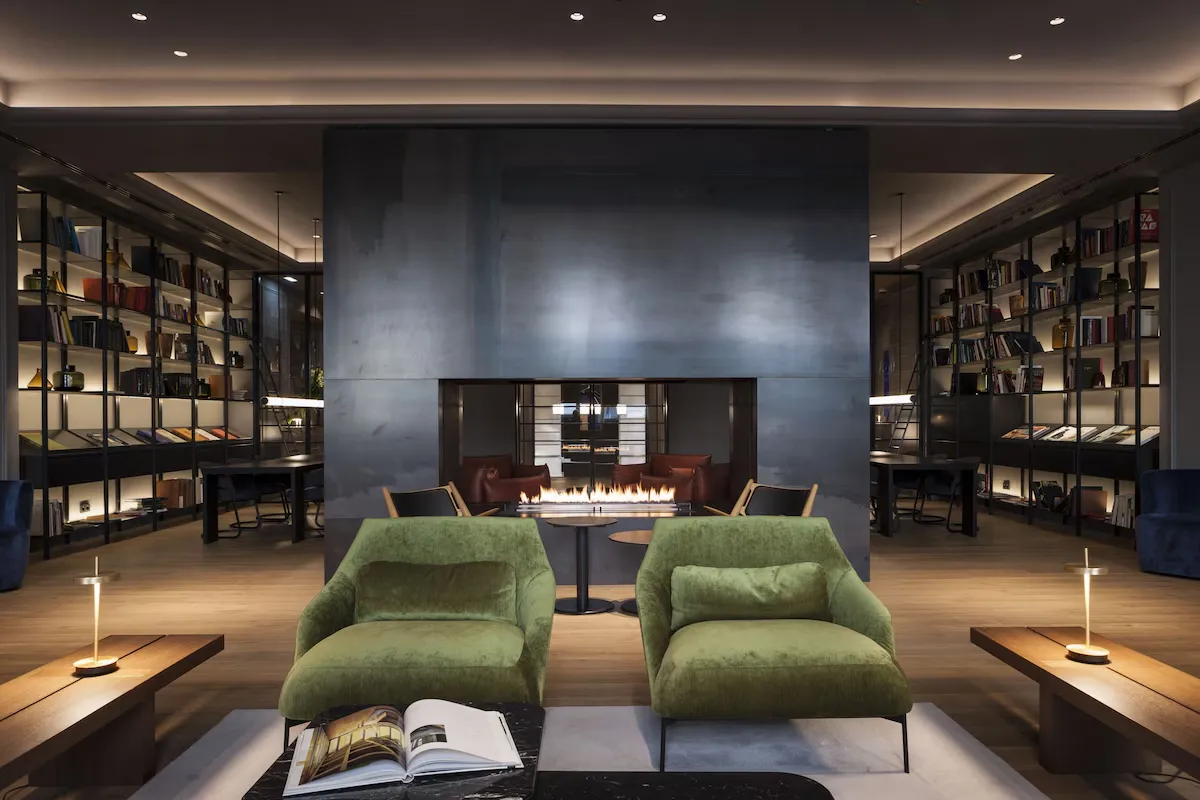
Kozmo Hotel Suites & Spa occupies a monumental early twentieth-century building on the Grand Boulevard. Once a telecommunications hub, the landmark has been transformed into a five-star property with eighty-four rooms and suites, many with terraces rare in Budapest. The interiors combine contemporary elegance with historic details: high ceilings, parquet floors, artwork, Penhaligon's amenities. The spa, with its heated indoor pool and Valmont treatments, provides refuge from the city's intensity.
The location places guests in the peaceful part of Pest, close enough to walk to the New York Café, Gerbeaud, and Centrál, far enough to escape the crowds. The hotel's bistro restaurant fuses Hungarian flavors with international influences, a contemporary counterpoint to the traditional coffeehouses nearby. From Kozmo, the gilded temples are accessible but not overwhelming. Return in the evening. Let the marble and chandeliers fade into memory. Sleep in a building that carries its own twentieth-century story.
Prague: A Viennese Dynasty in Bohemia
The connection between Vienna and Prague runs through coffee. During the Austro-Hungarian Empire, Prague developed coffeehouses on the Viennese model, institutions where artists and intellectuals gathered under ornate ceilings. Franz Kafka frequented Café Louvre. The surrealists met at Café Slavia, overlooking the Vltava. The tradition persisted even as empires fell and regimes changed.
The deepest connection today runs through a single name: Julius Meinl.
Founded in Vienna in 1862, Julius Meinl became an ambassador of Viennese coffeehouse culture, roasting and selling coffee across the empire and beyond. The company's logo, a figure known as "the Meinl Moor," appeared in coffeehouses from Vienna to Trieste to Prague. For more than 160 years, Julius Meinl has represented the intersection of Austrian tradition and international reach.
In 2022, the company opened The Julius Prague, a hotel that translates coffeehouse heritage into hospitality. The building, a Neo-Renaissance structure near the Old Town, was redesigned by the Milanese studio Matteo Thun & Partners. The interiors draw on the warm autumnal palette of Czech artist Alphonse Mucha: soft tones, brass accents, designer furnishings that feel collected rather than assembled. The 168 rooms and suites function more as apartments than traditional hotel rooms, most with fully equipped kitchens, all with the kind of space that encourages staying.
Adjacent to the hotel, the House of Julius Meinl Gourmet Shop offers a curated selection of the company's coffees and delicacies. Hotel guests receive a discount. The connection is not accidental. The Julius exists because a Viennese coffee dynasty decided that hospitality and coffee culture belong together, that the coffeehouse tradition could extend into the way travelers sleep, eat, and experience a city.
Prague's historic coffeehouses reward exploration. Café Imperial, with its ceramic tile mosaics covering walls and ceiling, recalls the Art Nouveau extravagance of early twentieth-century Prague. Café Louvre, on Národní Street, preserves the salon atmosphere where Kafka and Einstein once sat. Café Savoy, in a restored Neo-Renaissance building, serves traditional Czech cuisine alongside Viennese-style coffee.
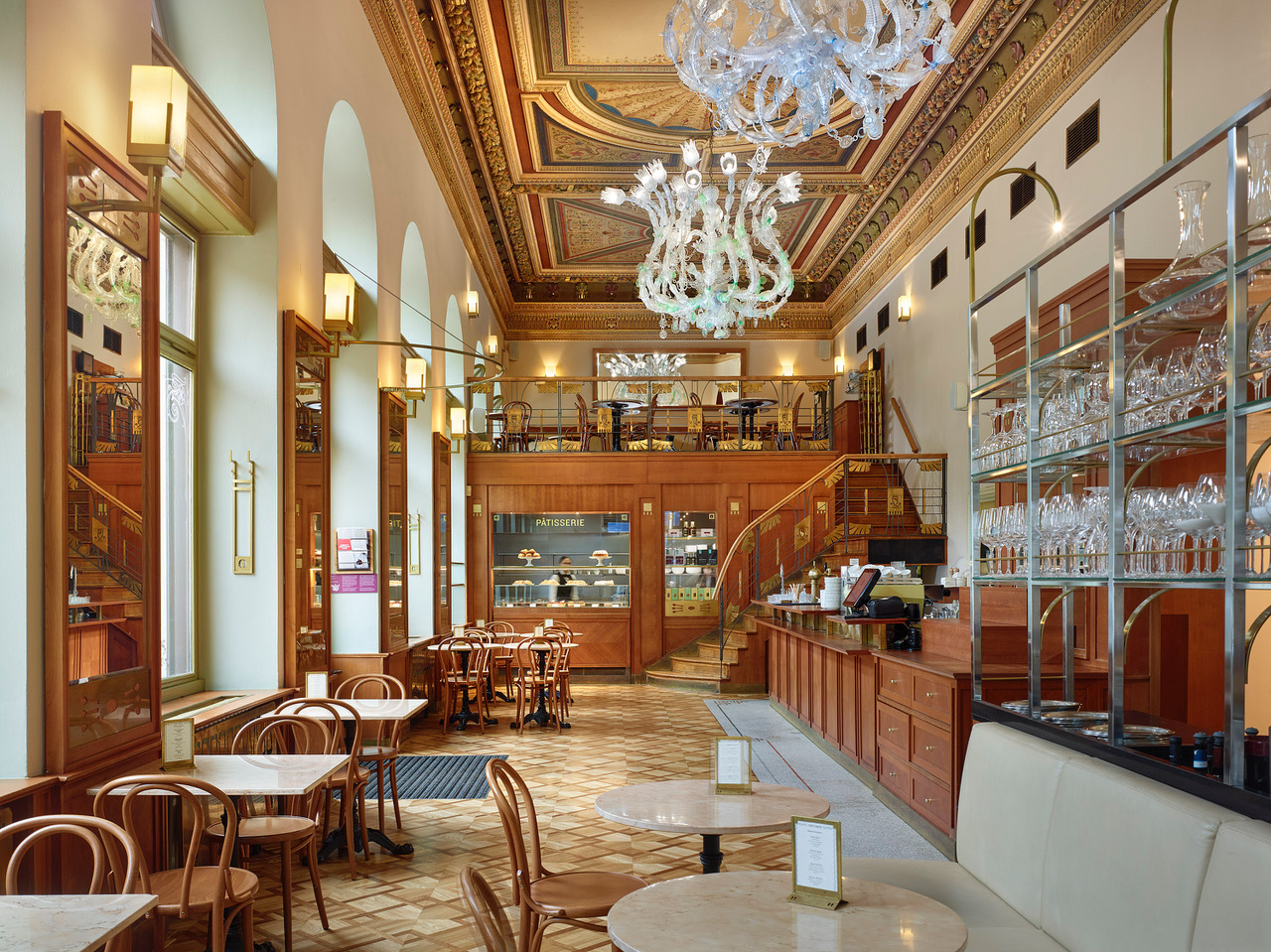
The city's café culture never reached the scale of Vienna or Budapest, but it carries its own character: more literary than theatrical, more intimate than grand. Prague coffeehouses feel like places for work and conversation rather than spectacle. The prices remain reasonable. The tourists remain fewer.
From The Julius, the Old Town lies ten minutes on foot. The Astronomical Clock, the Charles Bridge, the Prague Castle rising above the Vltava. But return to the hotel, to the lobby bar with its polished cocktails, to the Ameba brasserie where the coffee comes from the family that built its reputation on beans. In Prague, Vienna's coffeehouse tradition continues, shaped by Bohemian sensibility, served by a dynasty that has survived empires.
Paris: Where Philosophers Became Regulars
The Parisian café operates on different principles. It faces outward, toward the street, toward the spectacle of the city. The terrace matters as much as the interior. Seeing and being seen is not vanity but participation. To sit at a café in Paris is to enter the flow of urban life, not to escape it.
The literary cafés of Saint-Germain-des-Prés became legendary for different reasons. Les Deux Magots and Café de Flore, separated by only thirty meters on the Boulevard Saint-Germain, competed for the same clientele and generated their own mythology. Both claim Sartre and Beauvoir. Both hosted Hemingway. Both award annual literary prizes that still carry prestige.
Les Deux Magots takes its name from two wooden statues representing Chinese merchants, remnants of the silk shop that occupied the premises before 1885. Verlaine, Rimbaud, and Mallarmé drank absinthe here before the café became famous. The surrealists gathered under André Breton. The existentialists followed. Simone de Beauvoir wrote Les Mandarins, the novel that won her the Goncourt Prize, at one of these tables.
Café de Flore, founded in 1870, attracted a similar crowd. Sartre and Beauvoir lived around the corner on Rue Bonaparte and treated the Flore as their second home. "From 9am till noon we worked here," Beauvoir recalled. "Then we went for lunch at 2pm, we came back and talked with friends till 8 in the evening. After dinner, we arranged meetings with friends here. It can seem strange, but we are at home at Café de Flore."
The Lost Generation discovered these cafés in the 1920s. Hemingway described them in A Moveable Feast, his memoir of Paris. American expats found the city inexpensive and convivial, the cafés welcoming. Young writers with wanderlust and a one-way ticket could scrape by, drinking and arguing alongside the philosophers of the time.
Today, the crowds have shifted. Tourists outnumber philosophers. The prices reflect the addresses. But the rituals persist: the café crème in the morning, the table commandeered for hours, the terrace facing the oldest church in Paris. To dismiss Les Deux Magots or Café de Flore as tourist traps is to miss the point. They are monuments, places where ideas that shaped the twentieth century were debated over coffee. The current customers are irrelevant to the walls.
La Fantaisie, in the 9th arrondissement, opened as something new: a boutique hotel where plants cascade through interiors, where the rooftop offers cocktails with views, where the design feels personal rather than corporate. The location, in the South Pigalle neighborhood, places guests away from the grand boulevards but close to everything. Walk to Montmartre. Walk to the Opéra. Walk to Saint-Germain-des-Prés and the literary cafés, forty minutes through the city's heart.
Château des Fleurs, in the 17th arrondissement, occupies a nineteenth-century mansion with gardens, the kind of hidden property that Paris conceals behind its Haussmann façades. Hôtel Providence, in the 10th, brings the spirit of old Parisian bohemia to a neighborhood known for its canals and cafés. Each hotel offers a different Paris, a different relationship to the city's café culture. None tries to replicate the gilded monumentality of Vienna or Budapest. In Paris, the café is the street, and the hotel is the refuge.
Rome: Two Minutes, Standing
Italian coffee culture operates on different physics. Speed replaces lingering. The bar replaces the table. The espresso, small and concentrated, is consumed in one or two sips while standing, then the cup is pushed back across the counter, the bill paid, and the customer gone. Two minutes. Maybe three. Repeat three or four times throughout the day.
This ritual emerged from technology. The espresso machine, invented in Milan in 1884 by Angelo Moriondo and refined by Luigi Bezzerra in 1901, allowed coffee to be brewed in under thirty seconds. The machines encouraged speed. The culture followed. By the mid-twentieth century, the Italian bar had become a different institution than the Viennese coffeehouse: less salon than pit stop, less living room than fuel station.
Rome's coffee culture sits between the extremes. The city has its historic cafés, places where lingering is not only permitted but encouraged. It also has thousands of bars where the standing ritual prevails. The two cultures coexist, sometimes in the same establishment.
Antico Caffè Greco, founded in 1760 on Via dei Condotti near the Spanish Steps, is the second oldest café in Italy, after Caffè Florian in Venice. For more than 260 years, it served as a gathering place for artists and intellectuals on the Grand Tour. Goethe came. Byron came. Keats, Shelley, Stendhal, Casanova, Mark Twain, Hans Christian Andersen, Richard Wagner. The rooms, decorated in Pompeian red with gray marble tables and velvet chairs, hold more than three hundred works of art, the largest private gallery open to the public. The painter Giorgio de Chirico, who lived nearby, called it "the best place to wait for the end of the world."
In October 2025, the Antico Caffè Greco closed following a long rent dispute. The portraits were stripped from the walls. The furniture was removed. The space, one of Rome's cultural treasures, became an empty shell. As of this writing, the building's owners intend to reopen the café under new management, but the closure marks a rupture in Roman coffee history. One of the city's oldest institutions, a place where Buffalo Bill once drank his morning coffee with cowboys, sits vacant on one of the most prestigious streets in the world.
Other historic cafés remain. Tazza d'Oro, near the Pantheon, is famous for its granita di caffè con panna, coffee granita topped with whipped cream. Sant'Eustachio Il Caffè, near Piazza Navona, guards its roasting methods like secrets. These establishments combine the standing ritual with careful preparation, the speed of Italian coffee culture with the quality that rewards attention.
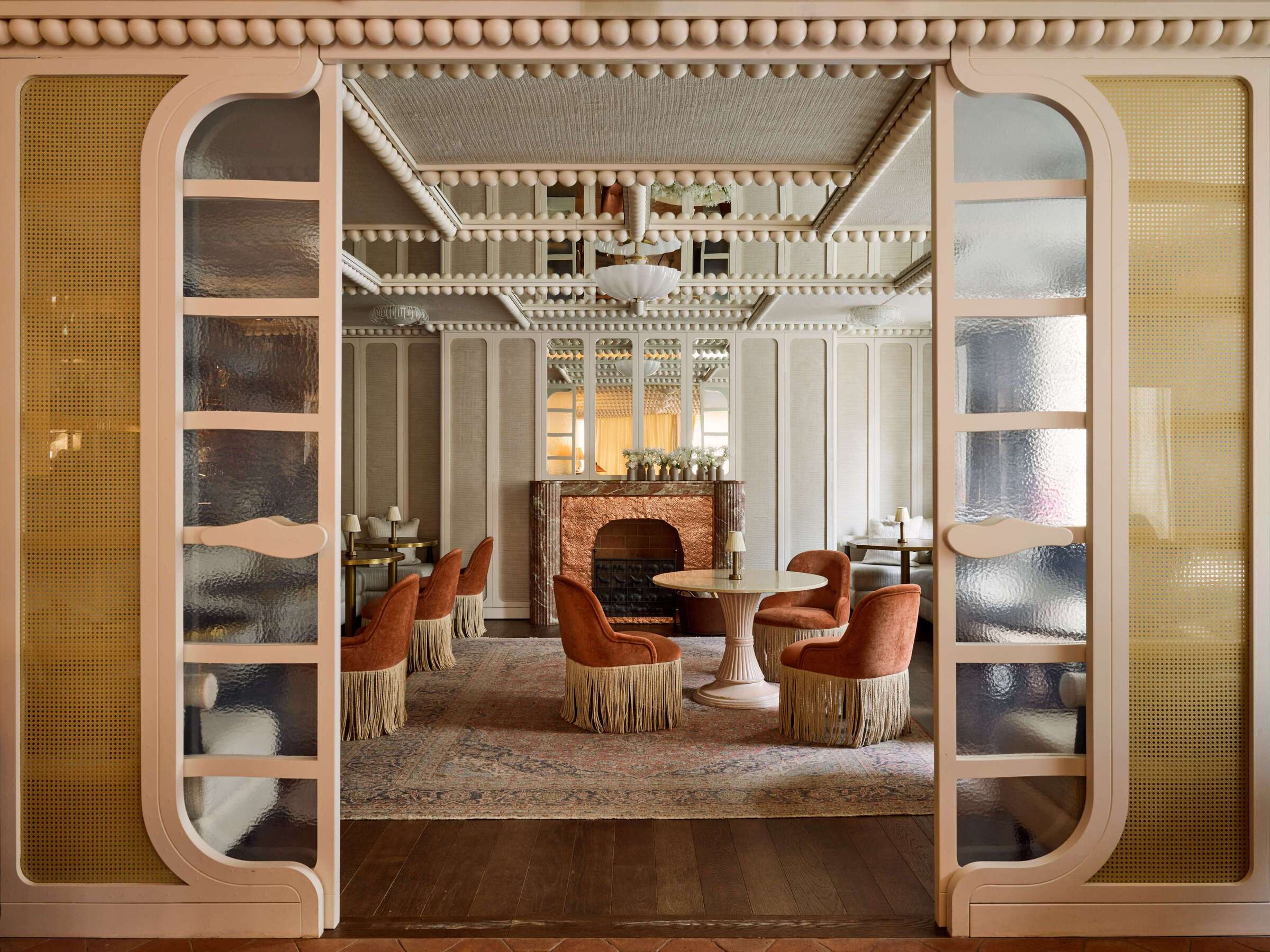
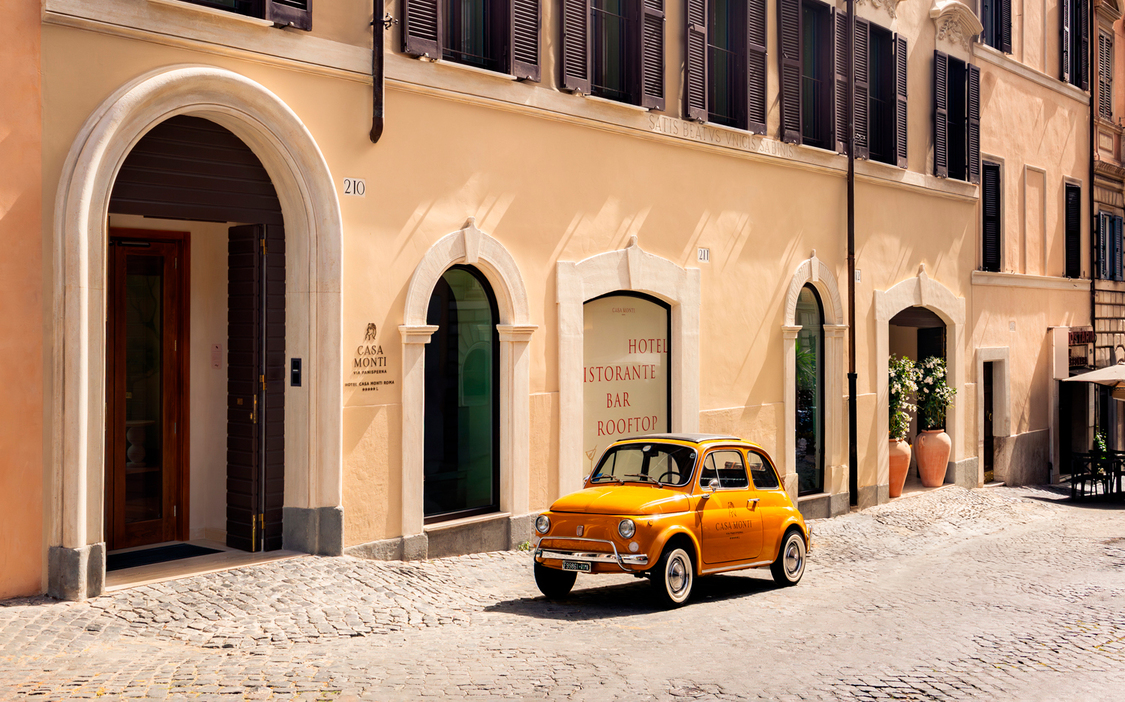
Casa Monti, in the Monti neighborhood, offers a different Roman experience: a boutique hotel in Rome's oldest rione, the historic district where narrow streets wind between ancient buildings. Palazzo Ripetta, near Piazza del Popolo, and Palazzo Velabro, near the Forum, occupy historic buildings that have been converted into intimate hotels. Each provides a base from which to explore Roman coffee culture, from the tragedy of the Antico Caffè Greco to the vitality of the bars still operating, still serving espresso in under thirty seconds, still expecting customers to drink standing and leave quickly.
In Rome, the café is not a place to sit for hours. It is a punctuation mark in the day, a ritual repeated, a brief communion with a cup pushed back across the counter.
Milan: Where the Espresso Machine Was Born
Milan invented modern coffee. Angelo Moriondo's 1884 machine, Luigi Bezzerra's 1901 refinements, Achille Gaggia's 1938 pressure system that created the crema, the layer of foam that distinguishes true espresso, all emerged from this industrial city in the north. If the Viennese coffeehouse shaped how Europe thinks about coffee, Milan shaped how Europe makes it.
The city's coffee culture reflects its character: efficient, stylish, forward-looking. Historic cafés exist, but they coexist with design-forward bars and specialty coffee shops that would not seem out of place in Tokyo or Melbourne. Milan does not sentimentalize. It innovates. The espresso machine itself is a Milanese invention, a technology designed to serve more coffee faster, and the city continues to treat coffee as something to be perfected rather than preserved.
Café Cova, founded in 1817 near La Scala, became a meeting place for patriots plotting Italian unification. Marchesi 1824, a historic pasticceria, was acquired by Prada in 2014 and given new life as a design destination, the old confectionery traditions merged with contemporary aesthetics. Bar Luce, in the Fondazione Prada complex, was designed by the film director Wes Anderson, its pastel interiors recreating an idealized 1950s Milan. These establishments represent the Milanese approach: history acknowledged but not frozen, tradition in conversation with the present.
ME Milan Il Duca, in the Porta Nuova district, occupies one of Milan's most modern neighborhoods, the area of skyscrapers and pedestrian plazas that represents the city's twenty-first-century ambitions. The hotel, designed by Aldo Rossi, combines bold architecture with interiors that feel both theatrical and intimate. The rooftop bar offers views across the new Milan, the vertical city that has emerged over the past two decades.
Casa Brera, in the artistic Brera district, takes a different approach: a boutique property in one of Milan's most historic neighborhoods, near the Pinacoteca di Brera and the galleries and antique shops that define the area. The interiors channel the cultured domesticity of a Milanese townhouse, the kind of place where coffee might be taken slowly, in the Viennese manner, rather than standing at a bar.
From either hotel, the city's coffee culture unfolds. The standing bars where businesspeople fuel their mornings. The historic cafés where tourists linger. The specialty roasters and third-wave coffee shops that have proliferated in recent years. Milan invented the espresso machine. Milan continues to ask what coffee can become.
The Common Thread
Six cities. Six rituals. A single beverage transformed into six distinct cultures.
Vienna perfected the coffeehouse as living room, a place to consume time and space while paying only for coffee. Budapest added gilded spectacle, coffeehouses so beautiful they became destinations in themselves. Prague inherited the Viennese model and added Bohemian intimacy. Paris turned the café outward, toward the street, toward the spectacle of seeing and being seen. Rome and Milan stripped the ritual to its essence: strong coffee, consumed quickly, repeated throughout the day.
What connects them is the recognition that coffee is never just coffee. The cup is an excuse. The ritual is the point. Whether sitting for hours beneath chandeliers or standing for two minutes at a marble bar, the act of drinking coffee in these cities carries meaning beyond caffeine. It is participation in a tradition. It is presence in a place. It is, in the Viennese formulation, the consumption of time and space, with only the coffee appearing on the bill.
The hotels listed here, each representing Top World Hotel's collection, provide bases from which to explore these rituals. They do not replicate the coffeehouses. They complement them. After the morning at Café Central, return to Palais Rudolf. After the evening at the New York Café, sleep at Kozmo. The cities offer the culture. The hotels offer the rest that makes continued exploration possible.
Bring a book. Order a Melange, an espresso, a café crème. Let the hours pass without apology. In these cities, that is not wasting time. That is the point.
Frequently Asked Questions
What is Viennese Kaffeehauskultur?
Viennese coffeehouse culture was recognized by UNESCO as Intangible Cultural Heritage in 2011. It refers to the distinct tradition of the Viennese café: marble tables, Thonet chairs, newspapers on wooden racks, forty-plus coffee preparations, and the understanding that guests may linger for hours. The UNESCO designation notes that in Viennese coffeehouses, "time and space are consumed, but only the coffee appears on the bill."
Which city has the most beautiful café in the world?
The New York Café in Budapest is often called the most beautiful café in the world. Opened in 1894, its gilded ceilings, marble columns, frescoes, and chandeliers create a theatrical interior that rivals any palace. The café was restored to its original splendor in 2006 after decades of neglect.
What is the difference between Italian and Viennese coffee culture?
Viennese coffee culture emphasizes lingering. Patrons sit for hours, reading newspapers, conversing, working. Italian coffee culture, particularly in Rome and Milan, emphasizes speed. Espresso is consumed standing at the bar, in under two minutes, multiple times per day. Both traditions treat coffee seriously but express that seriousness in opposite ways.
What happened to Antico Caffè Greco in Rome?
Antico Caffè Greco, founded in 1760, closed in October 2025 following a rent dispute between its proprietors and the building's owners. The café's artwork and furniture were removed, leaving the space empty. The owners intend to reopen under new management, but as of early 2026, Rome's oldest café remains closed.
What is the connection between The Julius Prague and Viennese coffee culture?
The Julius Prague is owned by Julius Meinl, the Viennese coffee company founded in 1862. The hotel represents an extension of the company's heritage, combining hospitality with the coffee culture Julius Meinl has promoted for more than 160 years. The adjacent House of Julius Meinl gourmet shop offers the company's coffees and products.