Best Luxury Hotels in Italy: Complete 2026 Guide
Discover Italy's 18 finest luxury hotels from €166-€1,960/night. Expert guide with real prices, reviews, and booking tips for Tuscany, Amalfi Coast, Rome & more.
Luxury Hotels in Italy: Prices, Regions and How Italian Luxury Really Works
Italian luxury hotels operate on fundamentally different principles than their international counterparts. Approaching them with expectations shaped by Four Seasons Dubai or Park Hyatt Tokyo leads to confusion, possible disappointment, and definitely missing the point.
Italian luxury isn't about perfection. The focus falls on character, history, and an entirely different philosophy of memorable hospitality.
Table of Contents
- How Italian Luxury Hotels Really Work
- Luxury Hotel Prices in Italy (18 Hotels Compared)
- Best Luxury Hotels by Region
- Signature Regional Dishes
- Authentic Luxury Experiences
- Sample Luxury Itineraries (3–7 Days)
- When to Visit Italy
- Frequently Asked Questions
The Beautiful Reality of Historical Properties
Palazzo hotels in Rome and Florence occupy 16th-century buildings. Frescoed ceilings, marble staircases worn smooth by centuries, walls so thick wifi sometimes struggles. Room sizes vary wildly because Renaissance architects weren't thinking about standardization.
One guest's room might measure twice the size of another's. That's simply how it works when staying in a palace built in 1543.
What comes instead: breakfast served in rooms where Medici bankers once conducted business. Corridors lined with original art. A sense of place so powerful that the memory of afternoon light through those particular windows remains vivid years later.
Italian Service Philosophy: Luxury service here operates on warmth rather than military precision. Concierges suggest their grandmother's favorite trattoria alongside Michelin restaurants. Front desk staff remember names, ask about the day, possibly debate the neighborhood's best gelato. This informality throws some travelers off. Others find it infinitely preferable to robotic efficiency. Personal preference determines which approach works better.
Setting Appropriate Expectations
Consistent patterns emerge across Italian luxury properties. Understanding these beforehand prevents disappointment.
Historical buildings have quirks. Uneven floors. Staircases that don't follow modern logic. Rooms where the bathroom somehow exceeds the bedroom in size because that's how the 17th-century layout worked. These aren't flaws. They're architectural realities of staying in centuries-old palaces.
Service emphasizes personal connection. Staff rarely act as invisible servants. The Italian approach favors engagement, recommendations, occasional conversation. It's warmer, more genuine, sometimes less smooth than Asian luxury hospitality. Traveler personality determines which style resonates.
Food receives intense focus. Even properties without Michelin stars approach breakfast seriously. Locally sourced ingredients. House-made preserves. Pastries from bakers who've supplied the hotel for decades. This commitment to provenance runs deep.
Design in Italy takes many shapes and moods. Some hotels stay close to their historic bones, while others lean into contemporary lines and quieter palettes. If you want a closer look at how this plays out across the country, you can explore our guide to Italy’s most design-driven boutique hotels. It offers real examples of how different properties interpret style, craft and atmosphere today.
Why These Properties Stand Apart
Italian luxury properties distinguish themselves by functioning as gateways to authentic local life rather than isolated resort bubbles. When hotels direct guests to family bakeries for regional specialties, or arrange traditional experiences like truffle hunting with local experts, they provide genuine access to Italian culture that money alone can't buy.

Luxury Hotel Prices in Italy: Complete Comparison of 18 Hotels
Starting with this table makes sense because price matters, regardless of what romantic travel writers claim. These represent average rates for standard doubles during high season (April-June, September-October). Actual pricing varies significantly by season, room category, and booking timing.
Clear patterns emerge: Puglia offers exceptional value. The Amalfi Coast commands premium rates that sometimes feel justified, sometimes don't. Venice and Rome fall between extremes. Tuscany and Piedmont countryside properties deliver remarkable quality relative to their pricing.
|
Hotel |
Location | Price/Night | Type |
|---|---|---|---|
| The Hoxton Florence | Florence, Tuscany | €166 | Design Hotel |
| Palazzo Velabro | Rome | €225 | Historic Palazzo |
| Relais Le Due Matote | Piedmont | €230 | Country Relais |
| IL Tornabuoni Hotel | Florence, Tuscany | €263 | Boutique |
| Locanda al Colle | Tuscany | €310 | Wine Estate |
| Palazzo Tafuri | Puglia | €363 | Baroque Palazzo |
| Casa Monti | Rome | €427 | Boutique |
| Palazzo Ripetta | Rome | €457 | 18th-C Palace |
| Villa La Madonna | Piedmont | €475 | Wine Estate |
| Palazzo De Noha | Lecce, Puglia | €495 | Baroque Palazzo |
| Madama Garden Retreat | Venice | €518 | Garden Hotel |
| Castle Elvira | Puglia | €527 | Medieval Castle |
| Palazzo Venart | Venice | €545 | Grand Canal Palace |
| Villa Fiorita | Sicily | €548 | Boutique |
| Country House Villadorata | Sicily | €603 | Country House |
| Bellevue Syrene | Amalfi Coast | €839 | Clifftop Resort |
| Villa Franca | Positano | €1,140 | Luxury Hotel |
| Borgo Santandrea | Amalfi | €1,960 | Ultra-Luxury |
Tuscany: Where Clichés Prove Accurate
Attempting cynicism about Tuscany proves difficult. The region has been photographed, romanticized, and written about so extensively that expectations run impossibly high.
Reality? Every cliché holds true. The hills genuinely roll like that. Late afternoon light turns everything golden. Random countryside drives consistently reveal medieval towns that appear photoshopped. The perfection borders on annoying.
The three Tuscan properties recommended here represent different approaches to experiencing this landscape. Florence hotels position guests at the heart of Renaissance culture. Countryside estates deliver the farm-to-table authenticity everyone discusses but few experience genuinely.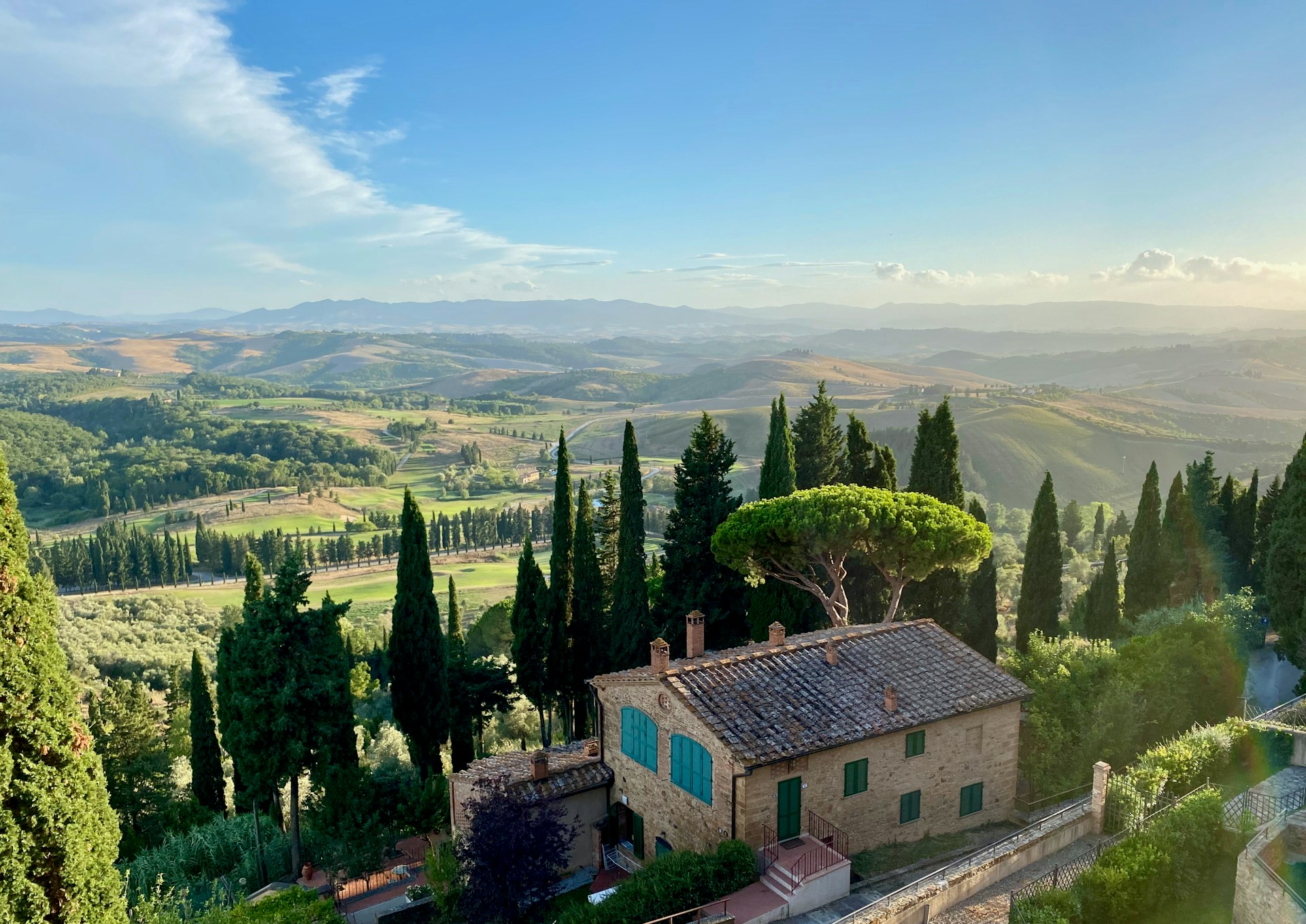
The Hoxton Florence (€166/night): Contemporary Design in Historical Context
The Hoxton occupies a quiet street five minutes from the Uffizi. The building dates to the 16th century, meaning thick walls, high ceilings, and that particular quality of light old Florentine palazzos capture.
What distinguishes this property isn't its age. The hotel balances contemporary design with respect for original architecture. Mid-century furniture complements ancient stone. Clean lines work with rather than against period details. The rooftop terrace offers views of Brunelleschi's dome alongside excellent Negronis.
The ground-floor restaurant attracts actual Florentines, not tourists seeking "authentic" experiences. Locals living nearby choose to have dinner here. That detail matters.
Rooms measure smaller than American luxury standards. Travelers requiring sprawling suites should look elsewhere. But the design proves beautiful, equipment thoughtful, spaces far more interesting than generic five-star boxes. The value at €166 per night borders on absurd for this location and quality.
The Hoxton's communal atmosphere makes it arguably Florence's best hotel for solo visitors. The rooftop terrace encourages natural interaction. The restaurant offers bar seating where conversation flows easily. Staff readily recommend restaurants and sights. The social layout naturally facilitates connections between guests.
Best suited for: Design enthusiasts, solo travelers, culture-focused visitors maximizing sightseeing time, guests under 45 (though older travelers appreciating contemporary style enjoy it equally).
Skip if: Traditional luxury preference, need for extensive amenities, or desire for significant space. This operates as boutique, not grand hotel.
IL Tornabuoni Hotel (€263/night): Boutique Elegance on Florence's Premier Street
IL Tornabuoni sits on Via Tornabuoni where Gucci and Ferragamo line cobblestones. The boutique property maintains private residence character through sophisticated interiors and rooftop terrace offering Duomo views.
The concierge maintains connections throughout Florence's cultural scene, securing sold-out tickets and fully-booked restaurant tables. Perfect for combining Renaissance art appreciation with luxury retail exploration.
At €263, this represents the sweet spot for travelers wanting boutique Florence luxury without budget-breaking rates.
Best suited for: Shopping enthusiasts, couples seeking romantic atmosphere, travelers appreciating personalized service.
Locanda al Colle (€310/night): Authentic Tuscan Wine Estate
Locanda al Colle operates as a genuine working wine estate, not a resort pretending to be a farm. The property produces estate labels. Rooms overlook vineyards rolling toward the Apuan Alps. Breakfast features estate-grown olives, local ricotta, bread still warm from nearby ovens.
Cooking classes occur in stone kitchens where generations have rolled pasta. This represents unfiltered Tuscany, authentic and alive.
The estate arranges winery visits throughout Tuscany's wine regions, truffle hunting in autumn, and harvest participation for guests visiting in September-October.
Best suited for: Wine enthusiasts, couples wanting countryside romance, travelers seeking authentic agriturismo luxury, anyone willing to sacrifice city proximity for rural beauty.
Skip if: Car-free travel (this requires driving), preference for urban energy, or need for extensive hotel amenities.
The Amalfi Coast: Spectacular Beauty at Premium Prices
Addressing this honestly: the Amalfi Coast costs more, crowds heavily in summer, and presents logistical challenges. It's also the most breathtaking Mediterranean coastline in existence.
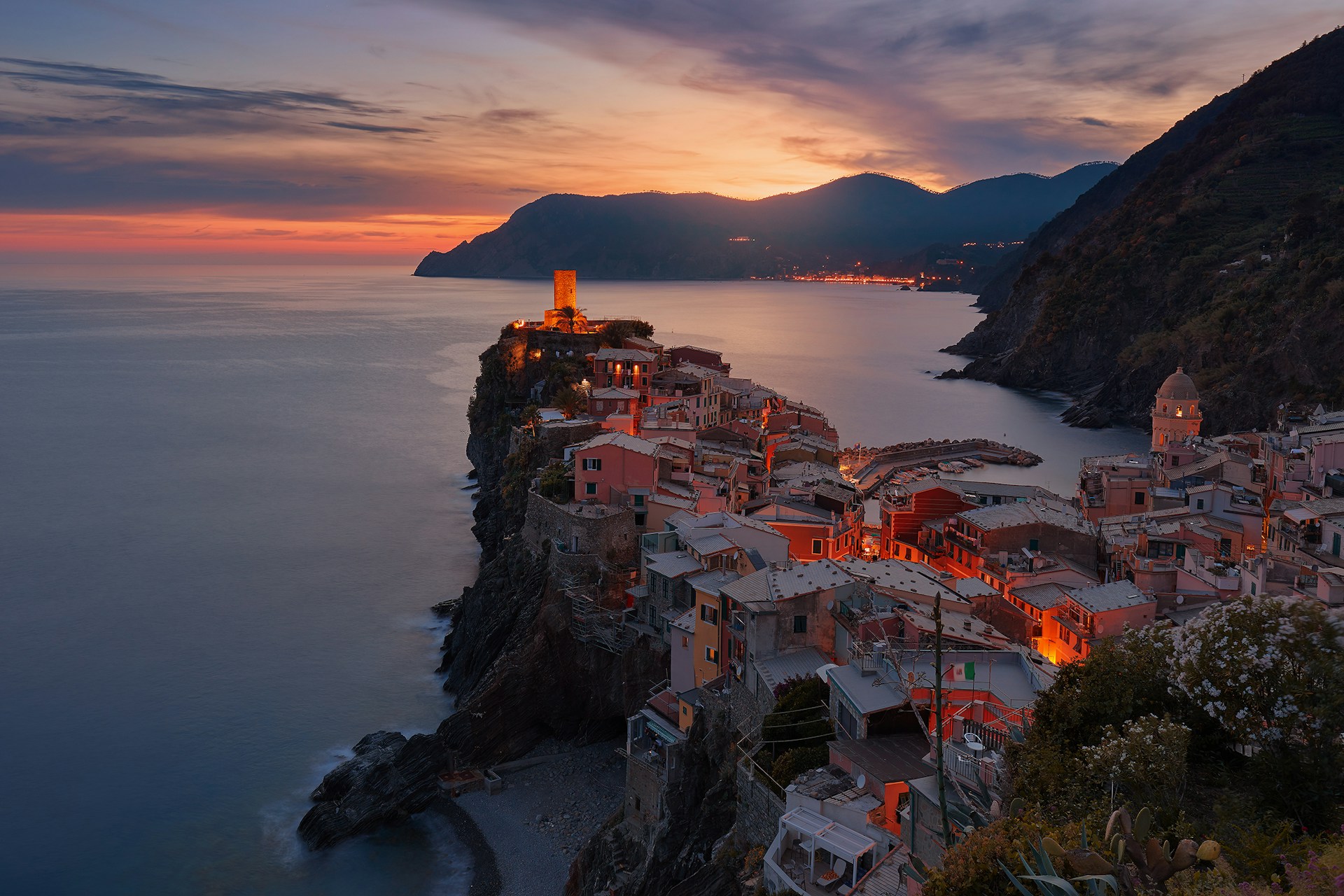
The vertical landscape, pastel towns cascading toward turquoise water, serpentine coastal road, and dramatic cliffs create scenery that photographs fail to capture adequately. Staying here costs significantly more than comparable luxury elsewhere in Italy. The question becomes whether the setting justifies premium rates.
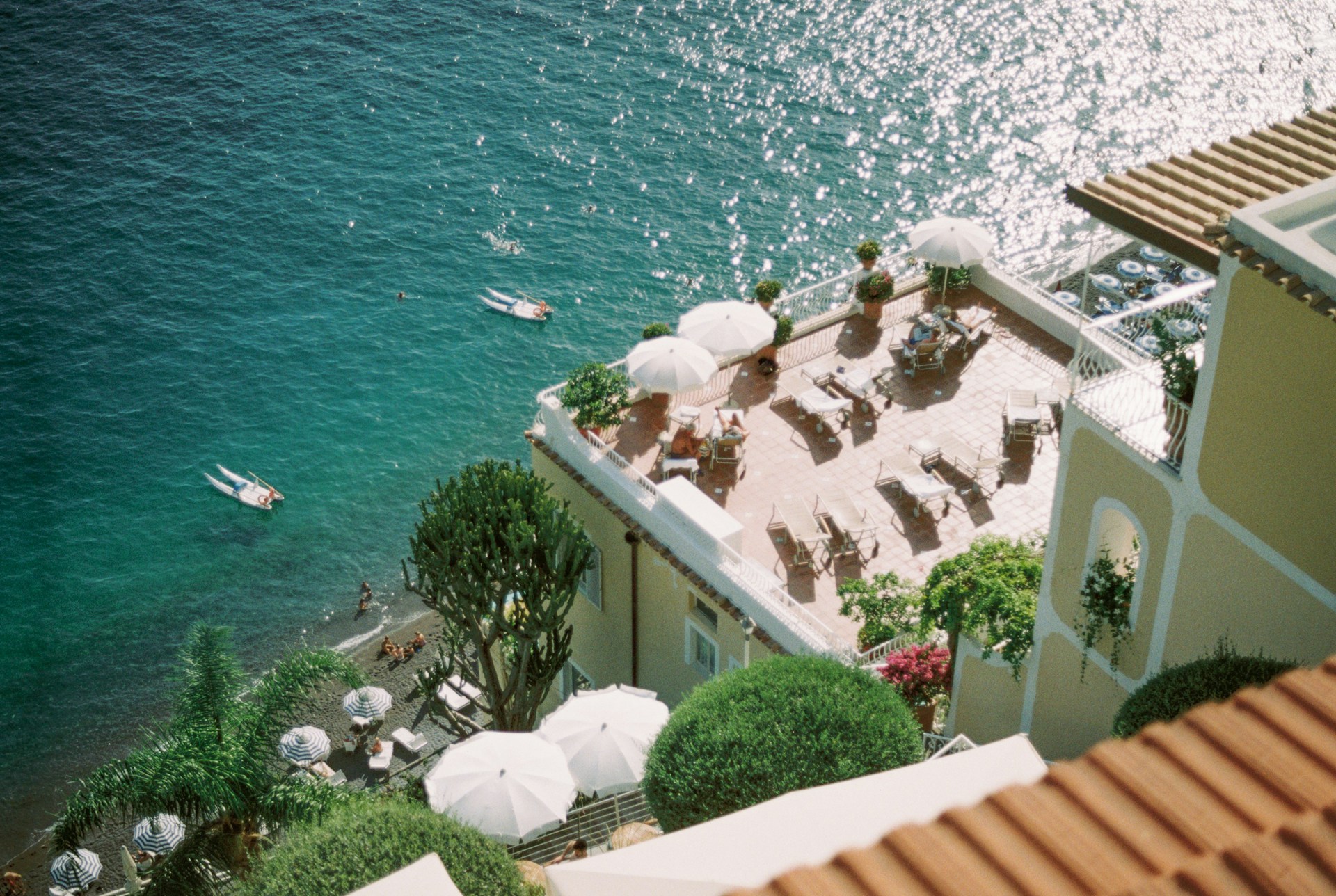
Bellevue Syrene, Sorrento (€839/night): Strategic Positioning
Sorrento provides access to the entire Amalfi Coast without Positano's location premium. The clifftop position commands Mediterranean views. A private elevator carved into rock descends to beach platforms where water achieves impossible shades of blue.
The breakfast room of Bellevue Syrene, featuring vaulted ceilings and sea-facing windows, feels like dining inside a chapel dedicated to light. Sorrento's central location enables easy exploration throughout the region. Pompeii sits 30 minutes away. Capri requires a short ferry ride. Positano and Amalfi are accessible for day trips.
What works particularly well: the balance between formality (the architectural grandeur could intimidate) and relaxation (linen pants work fine at dinner).
Best suited for: First-time Amalfi visitors wanting to explore the entire coast, travelers prioritizing location flexibility over specific town atmosphere, couples seeking elegant sophistication.
Skip if: Heart set specifically on Positano or Amalfi town, budget constraints (€839 still represents significant investment), or preference for intimate boutique over established resort.
Villa Franca, Positano (€1,140/night): Iconic Coastal Luxury
Villa Franca has welcomed guests since 1947. The approach delivers pure theater. A serpentine drive reveals, bit by bit, the vertical cascade of pastel buildings tumbling toward the sea. The rooftop pool floats above everything.
Swimming here at sunset, watching Positano transform golden and pink while fishing boats return to harbor, ranks among the great Mediterranean experiences. The question isn't whether it's beautiful (obviously yes) but whether it justifies €1,140 per night.
For travelers valuing iconic moments and legendary settings, absolutely. For those primarily seeking beach access and comfort, Sorrento delivers better value.
Best suited for: Honeymooners, milestone celebrations, travelers prioritizing legendary locations, guests wanting quintessential Positano experience.
Skip if: Budget concerns, preference for quieter settings, or desire for extensive beach facilities (Positano's beach is small and crowded).
Borgo Santandrea, Amalfi (€1,960/night): The Absolute Pinnacle
Borgo Santandrea occupies its own private cove between Amalfi and Positano. The 45 rooms cascade down cliffs to a beach club where every frustrating aspect of coastal tourism dissolves. No crowds, no mediocre food, no chaos. Just azure water, Michelin-starred cuisine, and spa treatments using local ingredients: lemon, olive oil, thermal waters.
The rate, €1,960 per night, seems absurd by most standards. This represents the Amalfi Coast at its absolute zenith. If allocating budget for one major Italian splurge, this property makes the strongest case.
The private cove matters enormously. Most Amalfi Coast beaches crowd uncomfortably in summer. Here, space and service create genuine luxury rather than just expensive proximity to beauty.
Best suited for: Ultra-luxury travelers, once-in-a-lifetime trips, honeymooners with significant budgets, guests for whom money genuinely doesn't matter.
Skip if: Any budget consciousness whatsoever, preference for authentic Italian towns over resort bubbles, or belief that €2,000 hotel nights represent poor value regardless of amenities.
Rome: Where Hotel Location Shapes Everything
Rome rewards strategic hotel selection more intensely than any Italian city. Location determines experience more than amenities, service, or design. The difference between walking to the Forum or requiring taxis shapes every day.
The three Roman properties recommended here occupy distinct neighborhoods with different characters. Ancient Rome for archaeological focus. Monti for bohemian authenticity. Spanish Steps for classic luxury shopping.
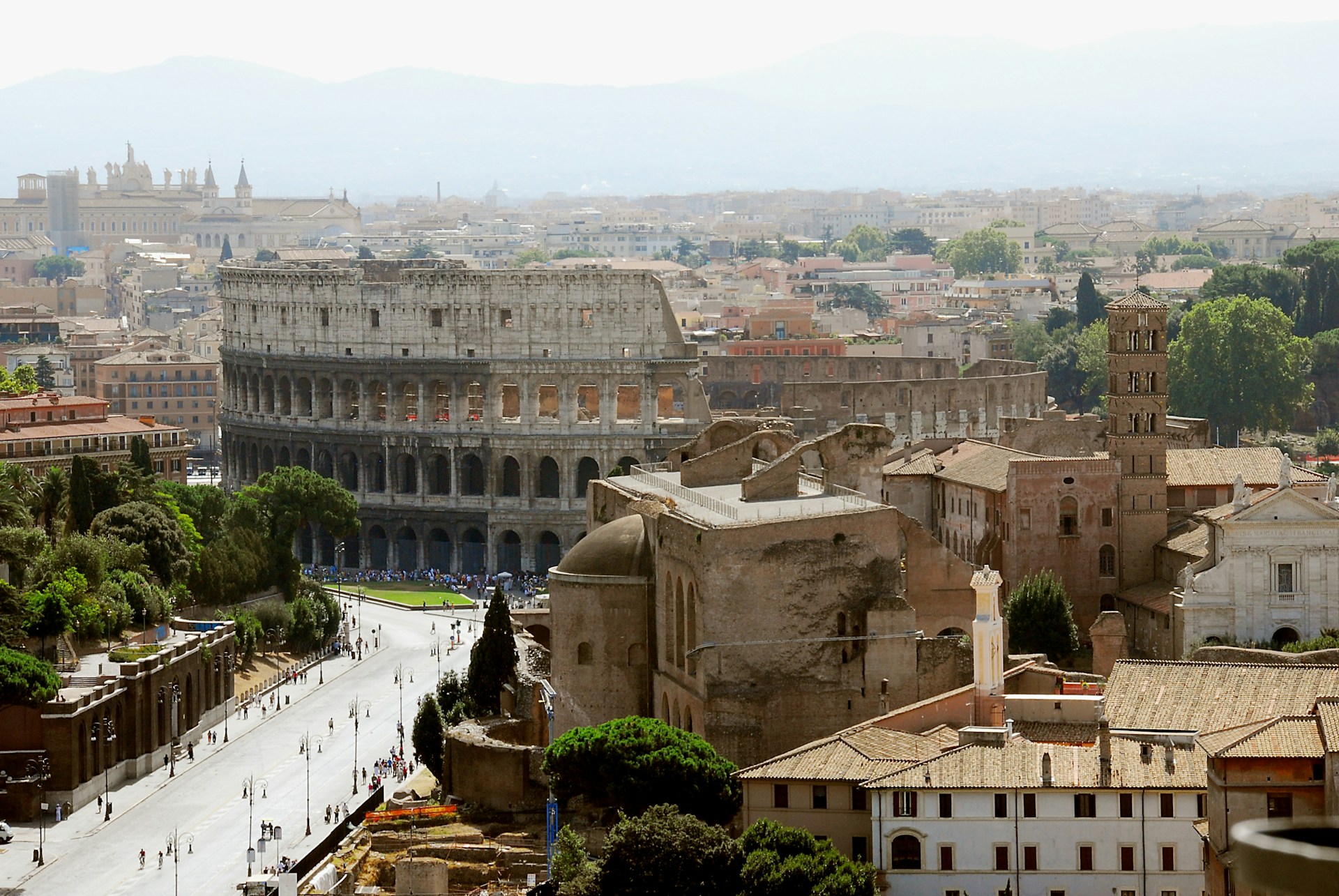
Palazzo Velabro (€225/night): Ancient Rome Access
Palazzo Velabro sits where guidebooks label Ancient Rome. The Forum becomes visible from certain windows. The 16th-century palazzo retains aristocratic elegance: high ceilings, period details, beautifully proportioned rooms though not vast (these buildings predate American size expectations).
Modern bathrooms hide behind ancient doors. The location provides walking access to Colosseum, Forum, and Palatine Hill while maintaining proximity to authentic Trastevere neighborhoods.
At €225, this represents Rome's best value for luxury accommodation near major archaeological sites.
Best suited for: History enthusiasts, first-time Rome visitors focusing on ancient sites, budget-conscious travelers wanting location over opulence.
Casa Monti (€427/night): Bohemian Roman Life
Casa Monti pulses with neighborhood creative energy. Monti represents where young Romans actually live: independent boutiques, artisan workshops, restaurants without picture menus serving actual neighborhood residents.
The hotel's design proves unapologetically modern, all clean lines and neutral tones, refreshing after days immersed in baroque excess. The rooftop terrace becomes crucial during summer when Rome's heat makes any breeze precious.
The neighborhood restaurants, which staff knows intimately, deliver better value than tourist traps surrounding major monuments.
Best suited for: Travelers wanting authentic Roman neighborhood life, younger visitors, design enthusiasts, anyone exhausted by tourist-heavy areas.
Palazzo Ripetta (€457/night): Classic Roman Elegance
Palazzo Ripetta embodies traditional Roman luxury. This 18th-century palace maintains private residence character. Select suites feature period frescoes, antique furniture, and marble bathrooms that reconsider entire aesthetic philosophies.
The location serves serious shopping: Via del Corso and Via Condotti minutes away. Staff connections throughout Rome's cultural scene arrange private studio visits, gallery previews, and reservations at tables that don't technically exist.
Best suited for: Luxury shopping enthusiasts, travelers appreciating classical elegance, guests wanting cultural insider access, couples celebrating special occasions.
Puglia: Italy's Best-Kept Secret for Luxury Value
If recommending only one region, Puglia makes the strongest case for discerning travelers. The food rivals anywhere in Italy. Beaches compete with Sardinia. Lecce's baroque architecture matches Sicily's finest. And luxury hotels cost 30-40% less than equivalent Tuscan or Amalfi Coast properties.
Somehow Puglia remains relatively undiscovered by international luxury travelers. The region hasn't been photographed into Instagram cliché. Most visitors still come from Italy itself. This creates authentic experiences increasingly rare in Tuscany or Venice.
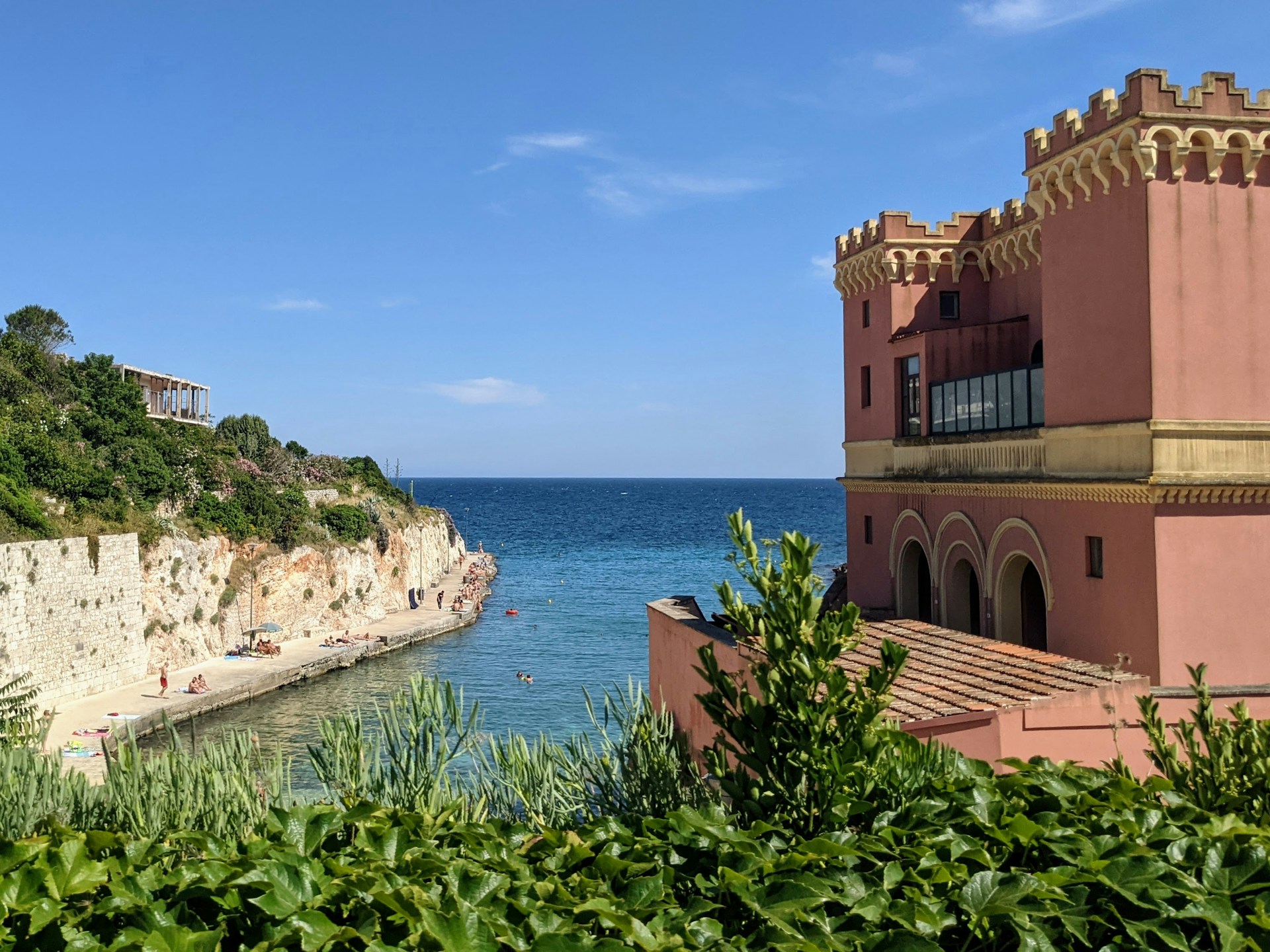
Palazzo Tafuri, Nardò (€363/night): Accessible Luxury
Palazzo Tafuri delivers palazzo-level luxury at accessible pricing. Nardò, smaller and quieter than Lecce, features beautiful baroque architecture and easy beach access. The palazzo preserves original details while creating contemporary comfort.
What distinguishes this property: staff enthusiasm for sharing Puglia. They arrange visits to olive oil producers, explain regional wine varieties (Primitivo, Negroamaro), recommend beaches only locals know. At €363, the value for palazzo beauty proves extraordinary.
Best suited for: Budget-conscious luxury travelers, beach enthusiasts, foodies exploring Puglia's incredible cuisine, anyone wanting authentic southern Italian experience.
Palazzo De Noha, Lecce (€495/night): Baroque Perfection
Palazzo De Noha sits among Lecce's honey-colored baroque churches. The city earns its nickname "Florence of the South" legitimately. The restoration preserves original frescoes while seamlessly integrating contemporary comfort. The rooftop terrace overlooks bell towers and ornate façades.
Breakfast features pastries from nearby bakeries and fruit from local farms. The city remains authentically Italian: more Italian than English spoken, restaurants serving local specialties (orecchiette with cime di rapa, burrata that ruins all future burrata) at prices seeming almost comically low compared to Tuscany.
This property particularly stands out in the €400-500 range for combining location, authenticity, value, and service quality.
Best suited for: Travelers appreciating baroque architecture, foodies exploring Puglia's cuisine, anyone seeking luxury at reasonable rates, couples wanting romantic atmosphere without tourist crowds.
Castle Elvira, Trepuzzi (€527/night): Medieval Castle Experience
Castle Elvira offers genuine rarity: inhabiting an actual medieval castle. Not themed, genuinely historical. Stone towers, thick walls, centuries breathing through corridors.
Meticulously restored as a luxury retreat with extensive grounds, multiple pools, enough space to feel like a private estate. Perfect for special occasions, families wanting Italy to themselves for a week, anyone seeking experiences impossible to replicate elsewhere.
Best suited for: Families, milestone celebrations, travelers wanting unique historical properties, guests prioritizing privacy and space.
Piedmont: Wine Country Excellence
Piedmont delivers understated luxury in Italy's most prestigious wine region. The Langhe hills produce Barolo and Barbaresco. October brings white truffle season. Autumn transforms vineyards into copper and gold. The region's luxury hotels, many occupying historic wine estates, provide sophisticated bases for oenophiles and food enthusiasts.
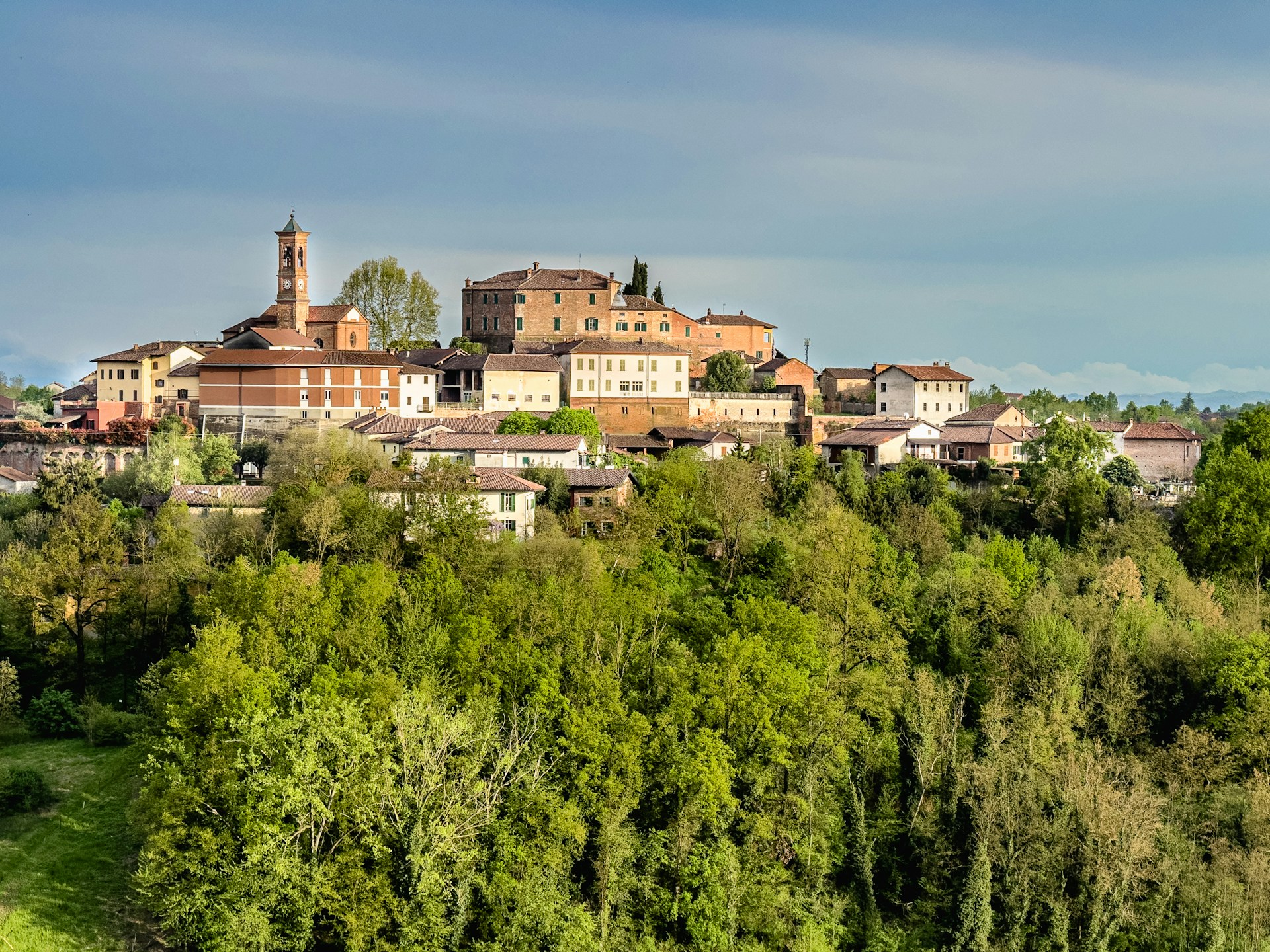
Relais Le Due Matote, Bossolasco (€230/night): Accessible Wine Country
Relais Le Due Matote provides affordable access to Piedmont's Langhe wine region. This country relais arranges winery visits, truffle hunting experiences, and cooking classes. Rooms overlook rolling hills planted with Barolo and Barbaresco vines.
The pool offers summer heat relief. Breakfast features local cheeses, cured meats, and pastries justifying early mornings. Ideal for wine enthusiasts seeking authentic Piedmont experiences without premium Barolo-town pricing.
Best suited for: Wine lovers, budget-conscious travelers, couples seeking countryside relaxation, truffle season visitors (October-November).
Villa La Madonna, Monastero Bormida (€475/night): Premium Wine Estate
Villa La Madonna operates as a working estate producing Barbera, Dolcetto, and Moscato under its own label. Rooms overlook vineyards stretching toward distant hills. The restaurant serves transcendent Piemontese cuisine: beef from specific farms, hazelnuts from ancient groves, vegetables from the estate's garden, all prepared respecting tradition while incorporating modern understanding.
Truffle hunting happens at dawn in forests outside Alba. A hunter and trained Lagotto Romagnolo work in silent partnership. Later, the chef shaves fresh white truffle over tajarin pasta with butter and Parmigiano. Without exaggeration, this ranks among the great Italian meals.
Best suited for: Serious wine enthusiasts, food-focused travelers, couples celebrating occasions, anyone visiting during truffle season.
Venice: Grand Canal Magic and Garden Retreats
Venice remains the most beautiful and bizarre city in Europe. A medieval metropolis built on wooden piles in a lagoon. Marble palaces reflect in canals. Gondoliers navigate water-taxi traffic. The luxury hotels occupy buildings so extraordinary that staying in them feels less like checking in and more like inhabiting a Canaletto painting.
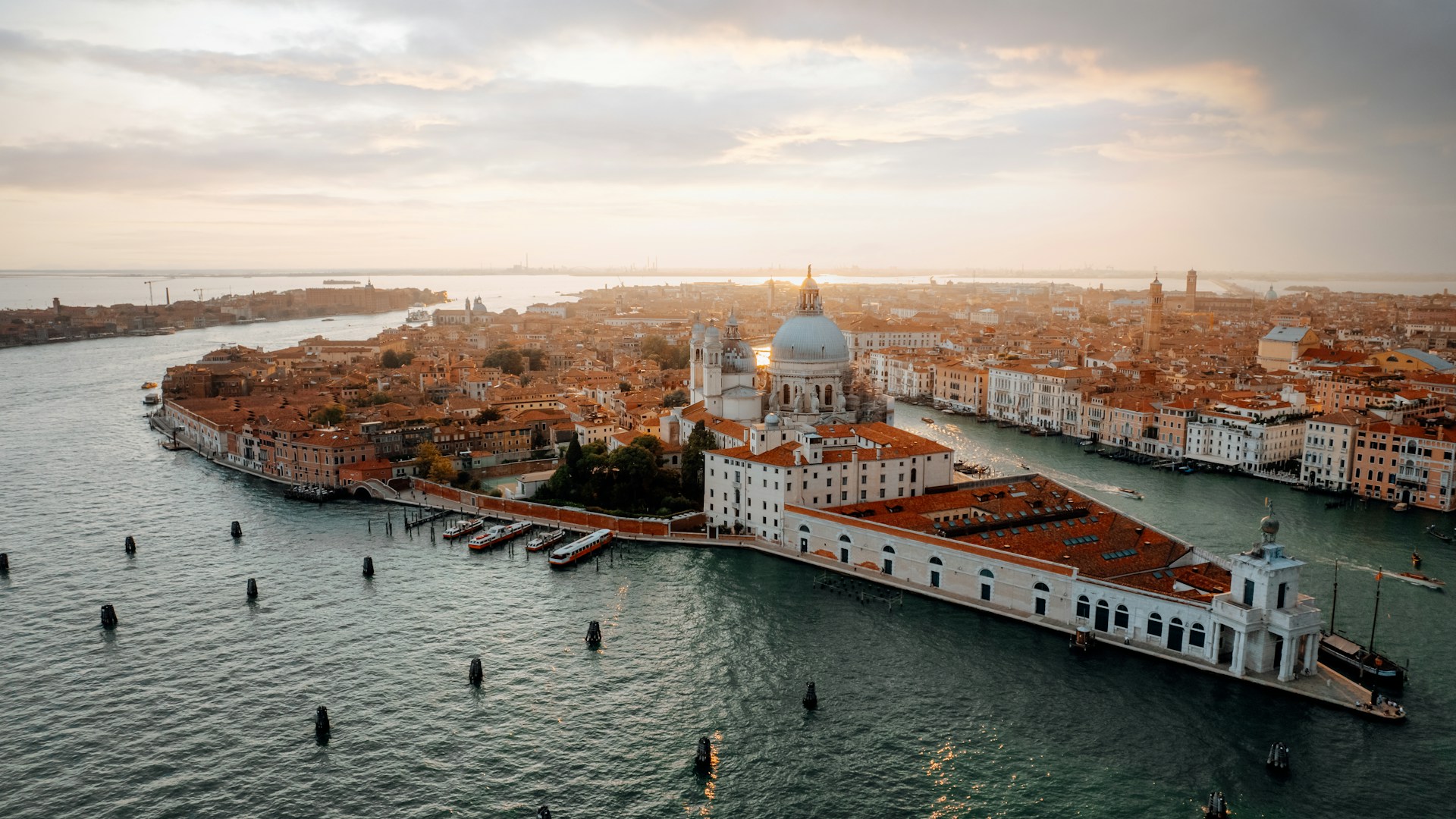
Madama Garden Retreat (€518/night): Rare Venetian Gardens
Madama Garden Retreat offers genuine Venetian rarity: extensive private gardens. Most properties lack outdoor space entirely, buildings pack tightly, every square meter precious. These gardens provide authentic retreat from Venice's intensity, crucial during summer when crowds overwhelm.
The property sits quieter, away from main tourist flows, yet water taxis make reaching major sites easy. The gardens in early morning, coffee surrounded by flowers while Venice slowly wakes, feel like secrets the city shares reluctantly.
Best suited for: Travelers valuing peace over Grand Canal location, garden enthusiasts, summer visitors escaping crowds, couples seeking romantic seclusion.
Palazzo Venart (€545/night): Grand Canal Perfection
Palazzo Venart sits directly on the Grand Canal with private water entrance. Arriving by water taxi in late afternoon, gliding past centuries of architectural splendor before pulling up to the palazzo's dock, delivers pure theater.
The 16th-century building underwent restoration with obsessive attention. Museum-quality frescoes, Murano chandeliers, terrazzo floors, all original, combined with contemporary amenities invisible until needed.
The Michelin-starred restaurant occupies the garden facing the Grand Canal. Dining there on warm evenings, watching the boat parade while eating creative Venetian cuisine, creates memories justifying the rate.
The concierge arranges private gondola tours, after-hours church access for viewing Tintoretto paintings, and reservations at restaurants claiming to be fully booked.
Best suited for: Grand Canal location priority, special occasions, food enthusiasts, travelers wanting quintessential Venice luxury, honeymoons.
Sicily: Ancient Layers Meet Contemporary Luxury
Sicily rewards travelers willing to engage with complexity. The island layers Greek temples, Roman amphitheaters, Arab-Norman architecture, baroque towns, and active volcanoes into cultural density that can overwhelm. The right luxury hotels serve as sophisticated bases for navigating this intensity.

Villa Fiorita, Taormina (€548/night): Elevated Elegance
Villa Fiorita occupies elevated ground with views encompassing the ancient Greek theater, medieval town, and Mount Etna smoking in the distance. Taormina has attracted sophisticated travelers since the 18th-century Grand Tour. The town knows how to welcome visitors without losing character.
The hotel's terraced gardens produce lemons the size of grapefruits and herbs ending up in the restaurant. What works particularly well: the balance between access and retreat. The walk to Taormina's Corso Umberto takes ten minutes for shopping, dining, and people-watching. Return to the hotel brings gardens, quiet, and that particular Sicilian quality of light making everything resemble Renaissance paintings.
Best suited for: Travelers combining culture with beach access, couples seeking romantic atmosphere, visitors wanting balanced Sicily experience, anyone appreciating Taormina's sophistication.
Country House Villadorata, Noto (€603/night): Baroque Beauty
Country House Villadorata near Noto takes a different approach. Noto represents Sicily's baroque masterpiece, an entire town built in the 18th century after earthquakes destroyed the medieval original. Honey-colored stone, elaborate balconies, architecture rivaling Lecce or Rome.
The hotel sits just outside town in countryside feeling genuinely undiscovered. Staff arranges visits to nearby baroque towns, archaeological sites, and beaches requiring insider knowledge to find.
This represents Sicily for travelers seeking authentic experiences rather than tourist highlights. The property's thoughtful restoration and personalized service make it an ideal exploration base.
Best suited for: Travelers seeking undiscovered Sicily, baroque architecture enthusiasts, couples wanting countryside peace, anyone willing to explore beyond standard tourist routes.
Signature Dishes You Shouldn’t Miss (Region by Region)
Italian luxury starts at the table. Each region has dishes that define place, season and identity—small masterpieces that taste like the landscape itself.
Tuscany
Bistecca alla Fiorentina: grilled thick-cut Chianina beef, untouched except for olive oil and salt.
Pici cacio e pepe: handmade noodles rolled by hand in countryside kitchens.
Ribollita: peasant winter soup elevated to perfection by Tuscan bread and deep-flavored vegetables.
Rome
Carbonara: eggs, pecorino, guanciale and black pepper, simple until you taste it in the right trattoria.
Amatriciana: tomato, guanciale, pecorino; a Roman ritual.
Carciofi alla giudia: artichokes twice-fried until crisp and golden.
Amalfi Coast
Scialatielli ai frutti di mare: fresh pasta with seafood caught the same morning.
Delizia al limone: Sorrento lemons transformed into a delicate cream-filled dome.
Totani e patate: slow-cooked squid and potatoes, a classic of fishing families.
Puglia
Orecchiette con cime di rapa: earthy, bitter, perfect.
Burrata fresca: still warm, pulled that morning.
Frittura di paranza: tiny fish lightly fried, eaten with lemon and nothing else.
Veneto
Baccalà mantecato: silky whipped cod on grilled polenta.
Sarde in saor: sweet-and-sour Venetian classic with onions and pine nuts.
Risotto al nero di seppia: black cuttlefish risotto with lagoon flavor.
Piedmont
Tajarin al burro e tartufo: soft, thin egg pasta shaved with white truffle.
Vitello tonnato: veal with silky tuna-caper sauce.
Bunet: chocolate–amaretto pudding from old Langhe kitchens.
Sicily
Pasta con le sarde: wild fennel, sardines, raisins, pine nuts—Arab–Sicilian fusion.
Arancina palermitana: saffron rice, ragù, peas.
Granita mandorla o limone: breakfast for locals, eaten slowly with a warm brioche.
Best Luxury Experiences in Each Region (Authentic, Not Touristic)
Italian luxury reveals itself quietly. It appears in small rituals, local encounters and moments that feel personal rather than orchestrated. Each region offers its own way of slowing down and inviting travelers into the real Italy.
Tuscany
In Tuscany, the day often begins in the woods. A tartufaio and his Lagotto lead you along soft forest paths near San Miniato, where the only sounds are leaves, dogs and quiet voices. Later, as the hills warm, a winemaker opens the doors of a family estate for a tasting at sunset. The light falls over vineyards, the cellar smells of oak and the experience feels intimate rather than staged. Sometimes it ends in a stone farmhouse kitchen, rolling pasta by hand with a cook who treats guests like old friends.
Rome
Rome is best experienced when the city is still half-asleep. A private guide unlocks the Forum while the marble is still cool and golden. Later, a curator leads you into a small gallery near Via Margutta or a Roman stylist walks you through ateliers around Via Condotti. Here, luxury means access: closed doors opening, empty corridors, conversations you wouldn’t hear anywhere else.
Amalfi Coast
On the Amalfi Coast, everything circles back to the sea. A small boat leaves Positano early in the morning, heading toward quiet coves near Li Galli where the water looks impossibly blue. You swim in silence, eat simple seafood on deck and watch the coastline rise behind you. Back on land, a lemon grower in Amalfi walks you through terraced gardens and lets you taste creams, honeys and liqueurs made just steps from where the fruit grows.
Puglia
Puglia’s luxury is rooted in land and tradition. In ancient olive groves near Ostuni, producers show you oils that taste of green almonds and fresh herbs. In Lecce, a grandmother teaches you to prepare orecchiette in a kitchen that feels like home. On the coast, fishermen from Otranto guide you to small inlets with clear, calm water. Everything here is simple and deeply genuine.
Veneto
Veneto’s elegance reveals itself away from the crowds. In a quiet squeri, a gondola maker explains how each curve of the hull is shaped by hand. Nearby, a mask artisan invites you to paint alongside him while he talks about old Venetian theatres. Later, a private boat crosses the lagoon toward small islands dotted with abandoned monasteries and gardens that feel timeless.
Piedmont
In Piedmont, the landscape sets the tone. At dawn, mist hangs over Langhe forests where a truffle hunter and his dog search in complete silence. Later, a winemaker in Barolo pours vintages from different decades in a stone cellar lit softly. Farther into the hills, hazelnut farmers in Alta Langa let you taste nocciole still warm from the roast. Every moment is guided by aroma and season.
Sicily
Sicily mixes drama and warmth in equal measure. On the slopes of Etna, vineyards grow out of black volcanic soil and winemakers walk you across terraces cut from lava. In Palermo, locals guide you through markets where street food is still prepared the same way it was generations ago. Along the water near Ortigia, fishermen take you on small boats at sunrise, showing how the day begins on the Sicilian coast.
Sample Luxury Itineraries (3–7 Days)
These itineraries help travelers understand rhythm, distances, and the real way to experience Italy without rushing.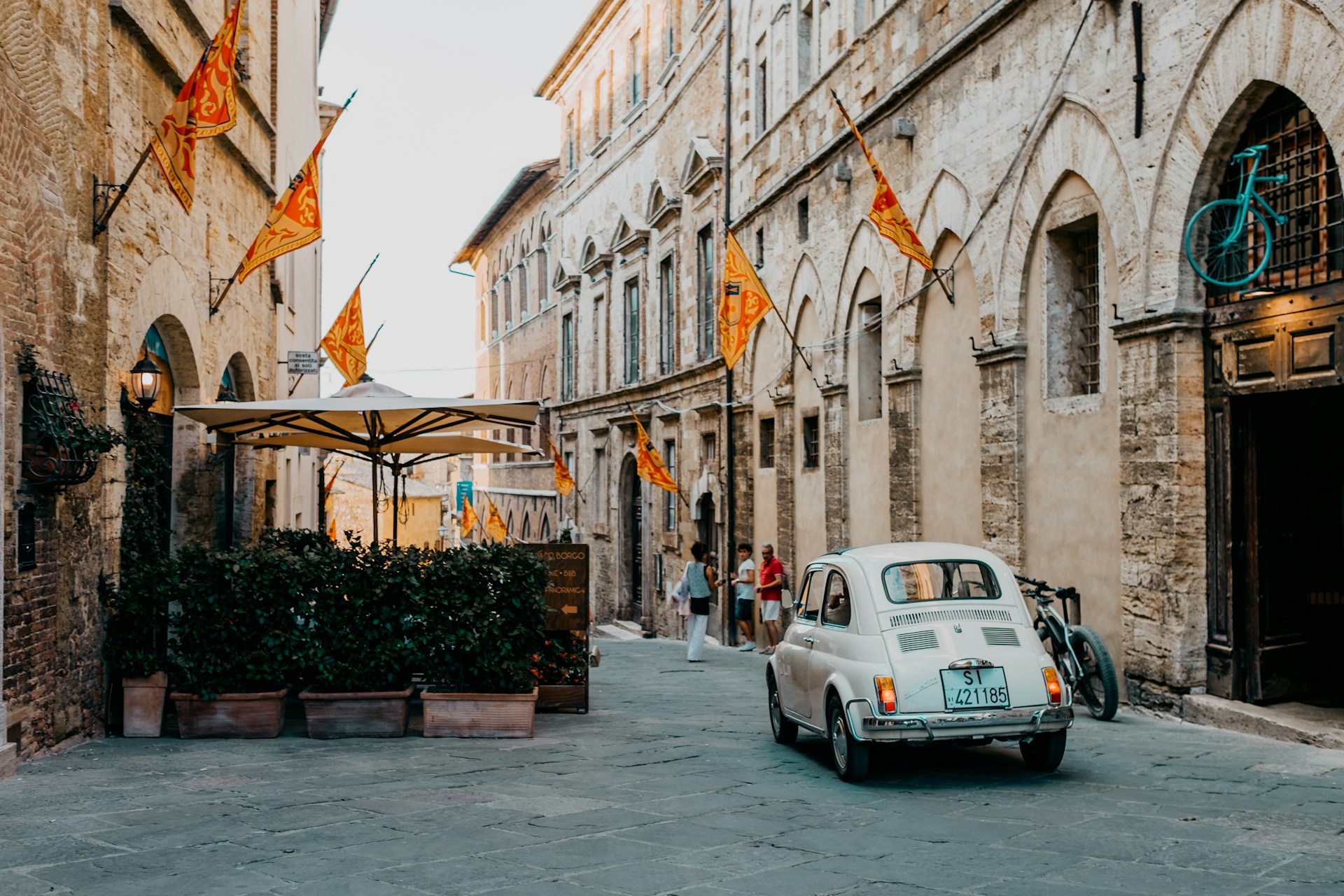
3 Days in Rome (Culture, Food, Hidden Corners)
Day 1 – Ancient Rome & Trastevere
Colosseum early entry → Roman Forum → lunch in Trastevere → sunset at Gianicolo → dinner at Roscioli.
Day 2 – Baroque Rome & Shopping
Piazza Navona → Pantheon → coffee at Sant’Eustachio → Via Condotti boutiques → dinner at Retrobottega.
Day 3 – Vatican & Prati
Private Vatican tour → Castel Sant’Angelo → aperitivo at Salotto42 → riverside dinner in Prati.
4 Days in Puglia (Lecce + Sea + Countryside)
Day 1 – Lecce Baroque
Palaces, churches, small boutiques → pasticciotto tasting → dinner in the old town.
Day 2 – Beaches Near Otranto
Baia dei Turchi → hidden coves → dinner in a seaside trattoria.
Day 3 – Olive Oil & Masserie
Visit ancient olive groves → slow lunch in a masseria → sunset at Torre dell’Orso.
Day 4 – Nardò & Gallipoli
Morning walk in Nardò → afternoon at Punta Prosciutto → dinner in Gallipoli.
5 Days in Tuscany (Florence + Countryside)
Day 1 – Florence Art
Uffizi early entry → Piazza della Signoria → rooftop aperitivo.
Day 2 – Oltrarno & Artisan Workshops
Leather ateliers → ceramic studios → lunch in Santo Spirito.
Day 3 – Chianti Vineyards
Wine tasting → sunset over vineyards → dinner in a farm kitchen.
Day 4 – Val d’Orcia
Pienza, Montepulciano, soft rolling hills → thermal bath at sunset.
Day 5 – Florence Shopping & Departure
Boutiques, small tailors, one final Florentine lunch.
7 Days: Amalfi Coast + Capri (Icons Only)
Day 1 – Sorrento Arrival
Walk the old town → dinner overlooking the bay.
Day 2 – Positano
Beach club morning → sunset at Franco’s Bar.
Day 3 – Amalfi & Ravello
Cathedral → coastal drive → gardens of Villa Cimbrone.
Day 4 – Capri
Boat to Capri → Grotta Azzurra → lunch at Il Riccio.
Day 5 – Anacapri
Mount Solaro → boutique workshops → sunset aperitivo.
Day 6 – Private Boat Day
Li Galli, swimming, quiet coves.
Day 7 – Slow Morning & Departure
Breakfast with sea view → ferry back → relaxed departure.
When to Visit Italy: Month-by-Month Reality
Timing matters enormously for Italian luxury travel. The difference between visiting in May versus August transforms the entire experience, regardless of hotel quality.
April-May: Peak Perfection
Late April through May represents Italian luxury travel at its finest. Weather proves sublime: warm enough for comfortable outdoor dining, cool enough for all-day walking. Wildflowers carpet countryside. Museum crowds remain manageable. Restaurant terraces reopen. Hotel rates stay reasonable before summer premiums arrive.
If visiting Italy only once, late April or May delivers optimal conditions.
June-August: Beach Season Peaks
Summer brings heat, crowds, and premium pricing. Beach properties on the Amalfi Coast, in Puglia, and Sicily justify their rates during these months. Cities, particularly Rome and Florence, can prove oppressively hot. August finds many Romans fleeing to the coast, creating restaurant closures but quieter cities.
Book beach properties 6-12 months ahead for summer dates. Expect premium rates across all luxury accommodations.
September-October: Prime Time Returns
Many experienced travelers consider September-October Italy's finest season. Weather remains excellent, often warmer than spring. Summer crowds dissipate. Harvest season begins in wine regions. Truffle season starts in Piedmont. Hotel rates drop from summer peaks while weather stays beautiful.
The only potential drawback: occasional rain, particularly in late October. But the trade-offs favor this season strongly.
November-March: Value Season
Winter reveals Italy at its most intimate. Cities remain excellent with minimal crowds and lowest rates. Venice shrouded in fog becomes even more magical. Christmas markets appear in Florence and Rome. January brings the kind of silence that only living there reveals fully.
Perfect for culture-focused travelers comfortable with cooler weather and occasional rain. Beach properties largely close during these months.
Frequently Asked Questions
What is the average cost of a luxury hotel in Italy?
Luxury hotels in Italy range from €166 to €1,960 per night. Budget luxury options (€166-300) include The Hoxton Florence and Relais Le Due Matote. Mid-range luxury (€300-600) encompasses most properties in Rome, Puglia, and Tuscany. Premium luxury (€600-1,200) includes top Venice and Amalfi Coast hotels. Ultra-luxury (€1,200+) features properties like Borgo Santandrea. Average mid-range luxury costs approximately €400-500 per night.
Which Italian region offers the best luxury hotel value?
Puglia delivers exceptional luxury value, with palazzo-level accommodations at €363-527 per night, approximately 30-40% less than equivalent Tuscan or Amalfi Coast properties. Properties like Palazzo De Noha in Lecce (€495) and Palazzo Tafuri in Nardò (€363) offer baroque architecture, authentic southern Italian culture, pristine beaches, and increasingly impressive wines at significantly lower rates. Piedmont also provides excellent value for wine country luxury.
Is the Amalfi Coast worth the premium hotel prices?
The Amalfi Coast justifies premium pricing (€839-1,960/night) for travelers prioritizing dramatic coastal scenery and clifftop luxury. Properties like Borgo Santandrea and Villa Franca deliver experiences impossible to replicate elsewhere: private coves, Michelin dining, infinity pools with legendary views. However, beach-focused travelers find better value in Puglia or Sicily. The Amalfi Coast's appeal proves specific: vertical coastal drama, not simply Mediterranean beaches.
How far in advance should Italian luxury hotels be booked?
Book 3-6 months ahead for peak season (April-May, September-October) to ensure optimal availability and rates. Ultra-luxury properties like Borgo Santandrea require 6-12 months advance booking for summer dates. Budget-luxury options offer more flexibility with 2-3 months recommended. Winter travel (November-March) allows last-minute booking with potential discounts. Always book directly with hotels rather than third-party sites for best rates and upgrade priority.
Do Italian luxury hotels require speaking Italian?
No Italian language skills are required at luxury hotels where staff speak fluent English. Front desk, concierge, and restaurant teams maintain multilingual capabilities. However, learning basic Italian phrases (greetings, please, thank you) enhances experiences enormously and receives universal appreciation. Italians respond warmly to even modest language attempts. The effort matters more than accuracy.
Can Italian luxury hotels arrange exclusive experiences?
Yes, luxury hotel concierges excel at arranging exclusive Italian experiences: private museum tours before/after public hours, cooking classes with renowned chefs, wine tastings at prestigious estates, truffle hunting with expert hunters and trained dogs, yacht excursions along the coast, helicopter transfers between regions, reservations at fully-booked restaurants, tickets to sold-out opera performances. Inform concierge of interests upon arrival for personalized arrangements.
Are children welcome at Italian luxury hotels?
Policies vary by property type. Generally welcoming: countryside estates (Locanda al Colle, Villa La Madonna), beach resorts (Campania properties), larger city hotels. Often not ideal: small boutique hotels, romantic properties, some Venetian palaces. Always verify minimum age policies, interconnecting room availability, children's amenities/programs, and babysitting services when booking. Italian culture embraces families, with even upscale restaurants accommodating well-behaved children.
What makes Italian luxury hotels unique compared to other countries?
Italian luxury emphasizes emotion over excess, beauty rooted in authenticity rather than ostentation. Properties occupy historically significant buildings: Renaissance palaces, baroque convents, medieval castles with genuine heritage. Service blends warmth with discretion, concierges suggesting grandmother's favorite trattoria alongside Michelin restaurants. Design celebrates centuries of craft tradition. The experience feels effortless because luxury embeds itself in Italian culture, not performed for guests. This authenticity distinguishes Italian luxury from formulaic international hotel standards.
Planning Your Italian Luxury Hotel Experience
Italian luxury hotels represent more than exceptional accommodations. They provide gateways to understanding Italian culture, history, cuisine, and the timeless art of living well. The eighteen properties featured in this guide deliver authentic experiences at every price point, from accessible luxury (€166) to ultra-premium indulgence (€1,960).
Whether drawn to Tuscany's rolling vineyards, the Amalfi Coast's dramatic beauty, Venice's romantic canals, Rome's eternal grandeur, or Puglia's authentic charm, Italy's finest hotels ensure experiences match the magnificence of their settings.
Choose thoughtfully, plan carefully, stay long enough to truly settle in. Italy rewards patience and attention. The best moments often happen not during scheduled activities but simply sitting on a terrace with excellent wine, watching the light change and understanding exactly why this journey mattered.