The Mediterranean Edit: Best Hotels 2026
From Crete's eco-luxury tented pavilions to Positano's rooftop infinity pools. Ten exceptional hotels across Greece, Italy, Spain, Turkey, and Portugal for summer 2026. Expert picks from the Top World Hotel collection.
Summer planning begins with a question that sounds simple but rarely is: where to stay. The Mediterranean coastline stretches across thousands of kilometers, touching a dozen countries, and every year brings a new crop of openings competing for attention alongside the establishments that have earned their reputation over decades. The challenge isn't finding a hotel. The challenge is finding the right one.
This selection spans five countries, Greece, Italy, Spain, Turkey, and Portugal, and ten properties that share little in common except a commitment to doing things properly. Some occupy historic palaces in medieval towns. Others have been carved into cliffsides or built from scratch in protected forests. What unites them is an understanding that a holiday in 2026 means something different than it did twenty years ago. Travellers want proximity to the water without sacrificing design or gastronomy. They want privacy without isolation. They want to feel the pulse of a place without drowning in crowds.
The hotels in this edit were chosen because they answer these contradictions. Each represents a different interpretation of Mediterranean luxury, from the barefoot bohemia of the Turkish Riviera to the aristocratic restraint of Menorca's old town. Some are brand new. Others have been quietly perfecting their craft for generations. Together, they form a portrait of what hospitality looks like when the details matter.
Greece
The Greek islands have never struggled for attention. Santorini's caldera appears on more postcards than some countries have citizens. But the smartest travellers have been moving outward for years, seeking the quieter Cyclades and the wilder corners of Crete where tourism hasn't yet polished away the rough edges. These four properties span that spectrum, from the world-famous silhouette of Santorini to the relatively unknown western coastline of Crete, where pink-sand beaches meet liquidambar forests.
The Revery, Crete
Near Elafonisi, the beach that regularly appears on lists of the world's most beautiful, The Revery occupies an 11-acre private bay on Crete's southwestern coast. The property introduced Greece's first luxury tented pavilions, a category that sounds gimmicky until you see the execution: canvas structures with private heated pools, flowing interiors that blur the boundary between shelter and landscape, and the kind of considered simplicity that comes from knowing what to leave out.
The design philosophy centres on connection. Connection to the land, which meant building with stone excavated from the site itself and replanting native flora that had been carefully preserved during construction. Connection to the sea, visible from virtually every angle of the clifftop suites that rise above the tented accommodations. Connection to Cretan traditions, which surface in the ROÉE Spa's treatments using locally foraged herbs and wild oils, and in the restaurant's zero-waste approach to seasonal, island-grown ingredients.
What makes The Revery worth the two-hour drive from Chania isn't any single element. It's the cumulative effect of choices made with care: the decision to minimise light pollution so guests can see stars that city dwellers have forgotten exist; the commitment to biological wastewater treatment; the curated experiences, from gorge hiking to fireside wine tastings to foraging walks with local guides, that reveal a Crete most visitors never encounter. The property positions itself as a place to reconnect with what is essential. The phrase could sound hollow elsewhere. Here, backed by the wild beauty of southwestern Crete, it lands.
Tella Thera, Crete
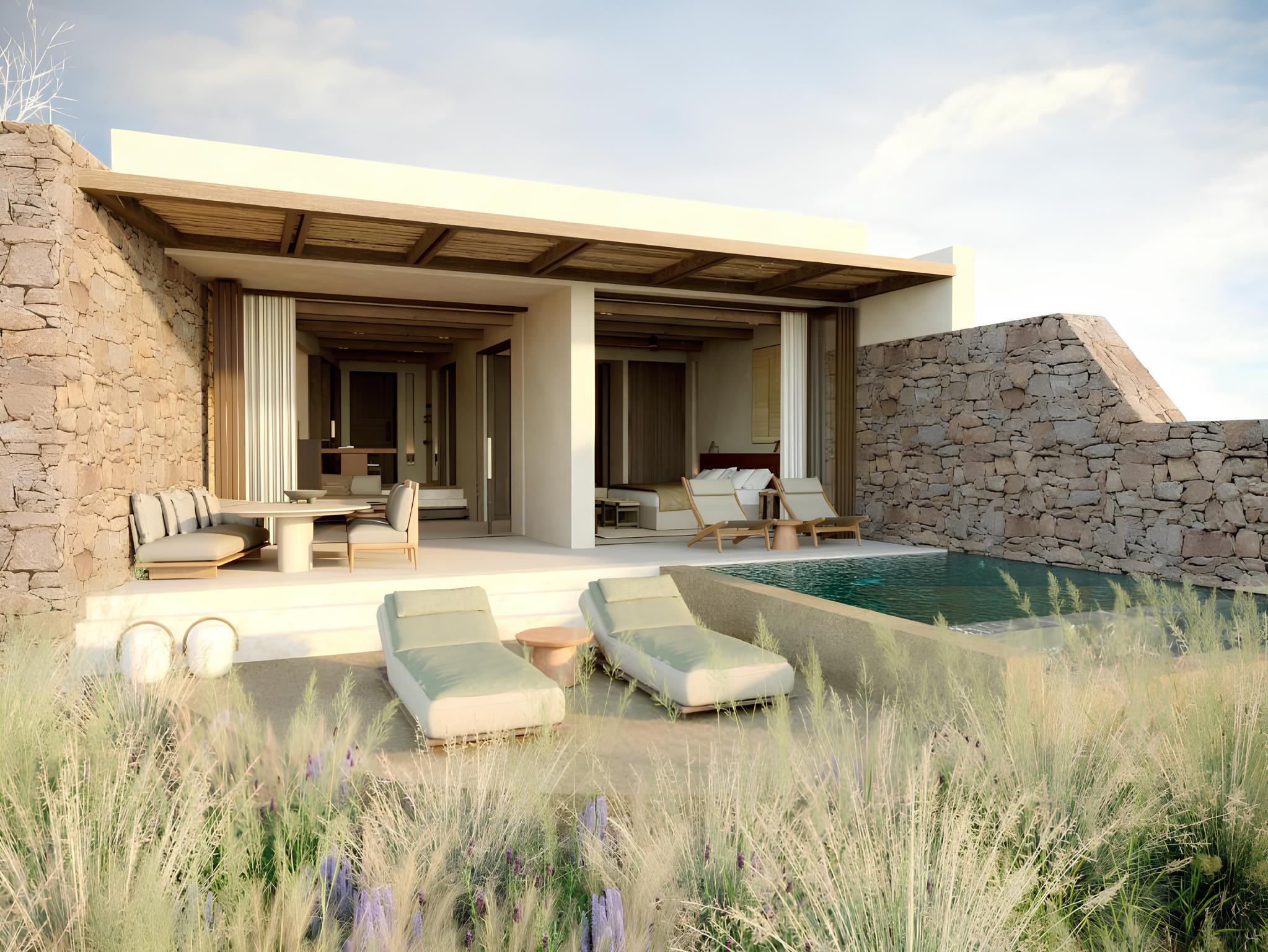
Opened in mid-2025, Tella Thera takes its name from Tellus, the Roman goddess of Earth, and theros, Greek for summer and harvest. The etymology matters because it signals the property's ambitions. This is a Design Hotels member built around sustainability as philosophy rather than marketing language.
Located near Kissamos in northwestern Crete, the 21-suite hotel was conceived by founders Loukas Tourkomanis and Chevon Low, a couple whose backgrounds at Airbnb and in forest conservation shaped their vision of conscious hospitality. They enlisted Athens-based Pieris.Architects and landscape architect Karolos Chanikian, who approached the project through what they call 'future primitivism': architecture that follows the hillside's contours, using local stone, timber, and natural plasters while incorporating passive cooling systems and green roofs planted with native species.
The suites themselves, some partially subterranean, all with private pools, employ biomorphic shapes and earthy palettes that feel grown rather than constructed. Floor-to-ceiling arched windows frame Aegean panoramas. The restaurant applies zero-waste principles with near-obsessive rigour: lemon peels fermented into syrups, herb stalks pulverised for garnishes, all suppliers sourced within 20 kilometres. Even the olive trees displaced during construction were repurposed on-site or returned to neighbouring farms.
What emerges isn't earnest eco-tourism. It's something more refined: a property where sustainability happens to produce better design, better food, better experiences. The magnesium pool in the spa, the chromotherapy showers, the rooftop yoga terrace overlooking the Bay of Kissamos, these elements would work in any luxury context. That they also tread lightly on the land is almost incidental. Almost.
North Santorini, Santorini
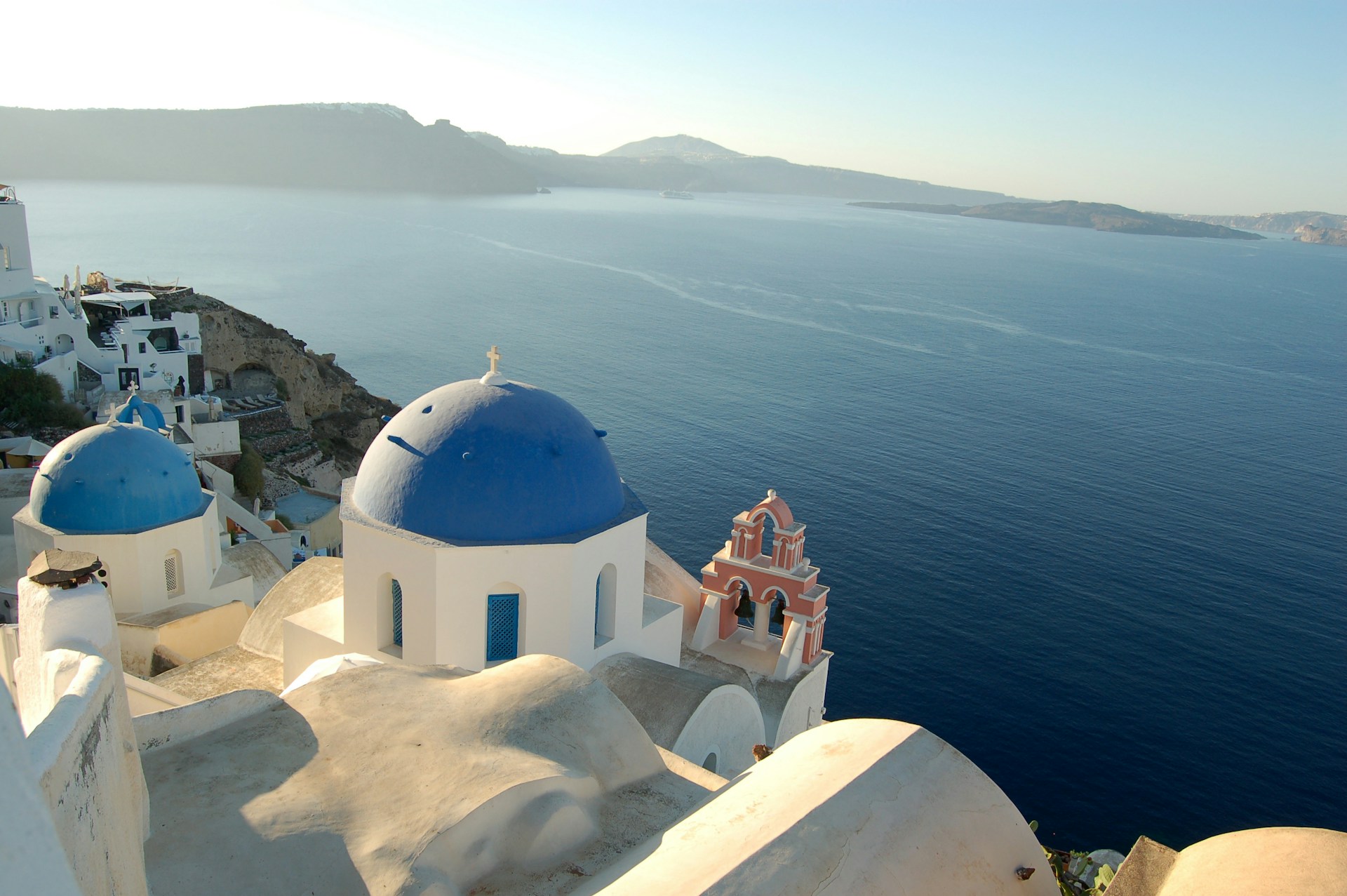
Santorini's problem is success. The island receives nearly three million visitors annually, most of whom crowd the caldera-facing villages of Oia and Fira. The smart move, which North Santorini makes, is to step back from the cliff edge entirely.
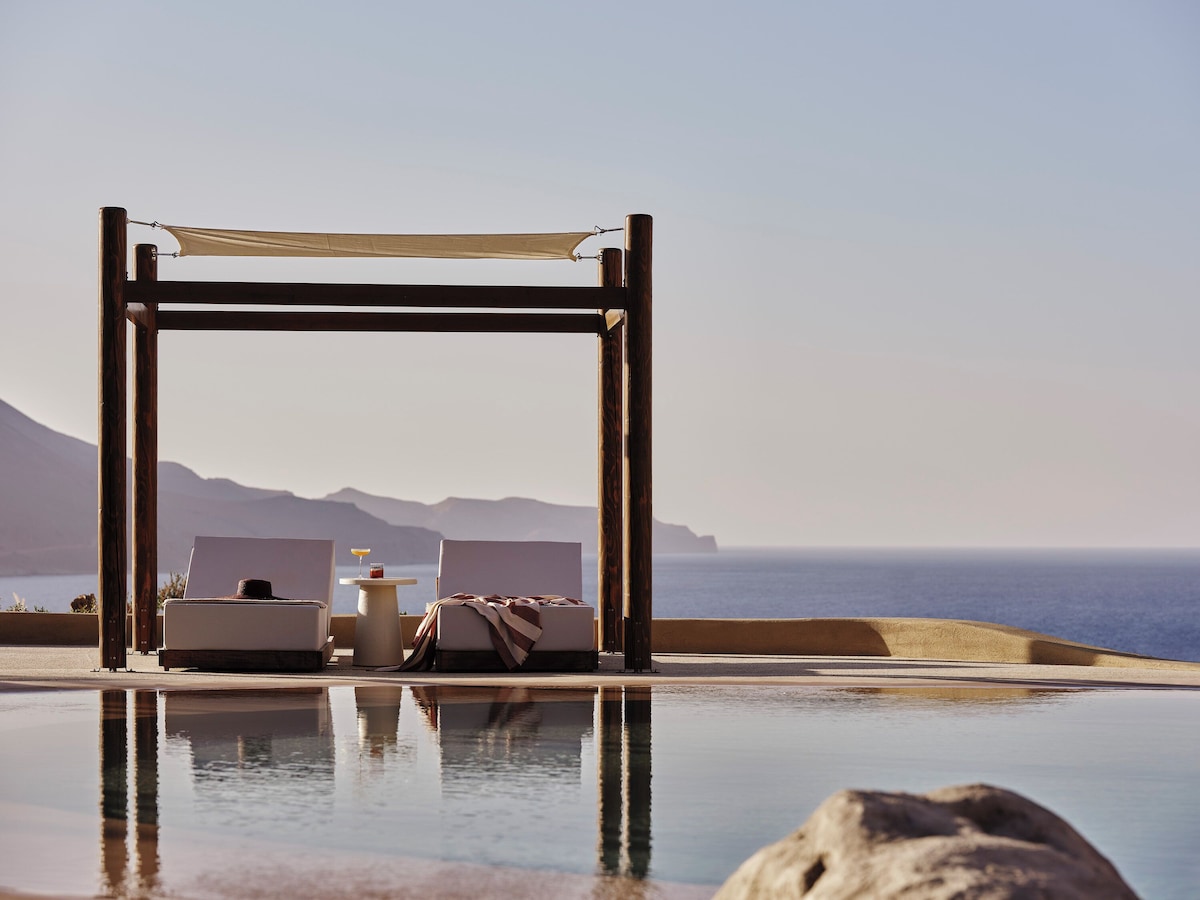
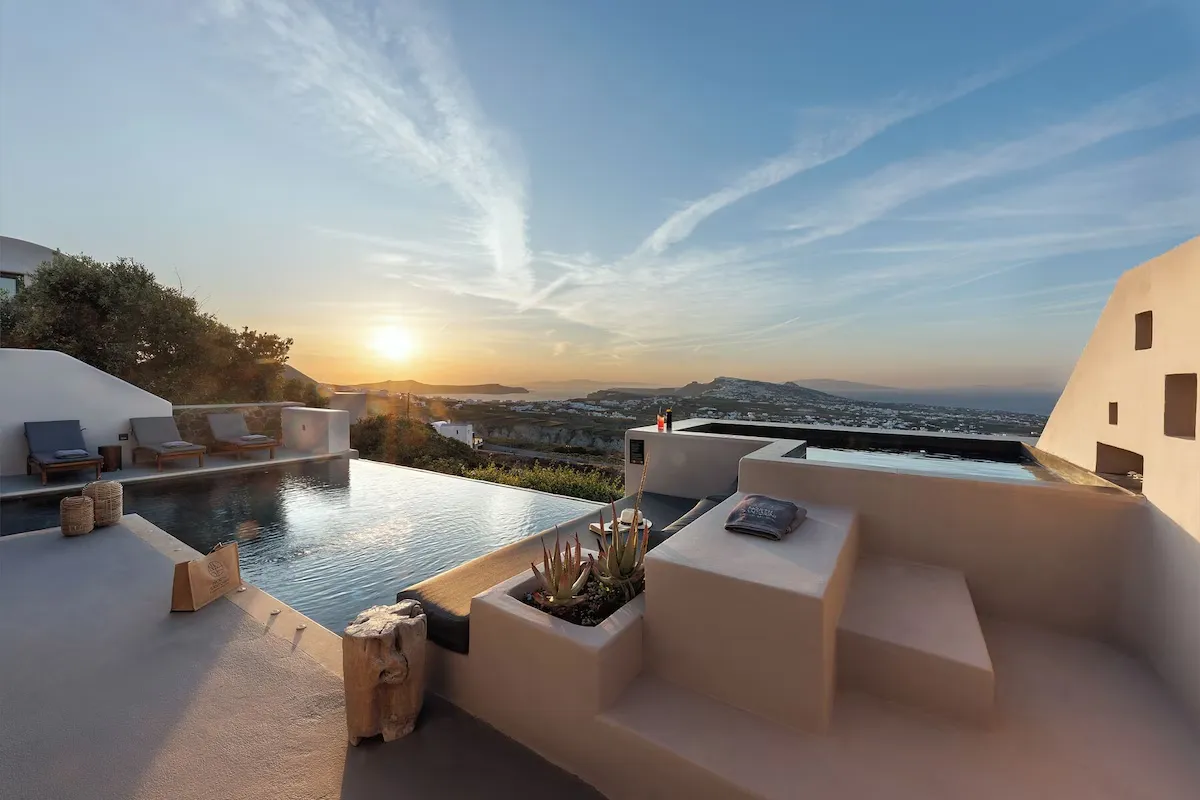
Perched at Pyrgos, the island's highest village and former capital, this luxury spa hotel occupies a position that provides 360-degree views: caldera sunsets to the west, Aegean sunrises to the east, vineyards in every direction. The medieval settlement below, one of Santorini's five fortified Kasteli dating to the Venetian period, offers cobblestone wandering through churches and wine bars without the shoulder-to-shoulder crowds of the more famous villages.
The property trades the cave-dwelling aesthetic that dominates Santorini hotels for something cleaner: modern suites and villas with private heated pools, uncluttered interiors in earth tones, and an emphasis on maximising both light and sightlines. The design builds consciously on the volcanic palette, the grey stone, the sun, the sea, without resorting to the ubiquitous whitewash that can blur one Santorini hotel into another.
Four dining venues span the spectrum from haute cuisine to poolside casual, with a wine cellar that does justice to Santorini's underrated viticulture. The spa offers both indoor and outdoor treatments. But perhaps the greatest luxury is simply the geography: proximity to Pyrgos's authentic village life, equidistance to both Perivolos and Kamari beaches, and the feeling of being on Santorini without being swallowed by it.
Ivy's Natural Resort, Tinos
Tinos sits thirty minutes by ferry from Mykonos and might as well be on a different planet. Famous primarily for its Panagia Evangelistria pilgrimage church, the island otherwise operates at a pace that makes even other Cycladic islands seem hectic. More than 40 villages dot its wind-carved landscape; marble sculptors work in Pyrgos as their families have for generations; dovecotes, those elaborate stone towers unique to the island—punctuate the hills like punctuation marks.
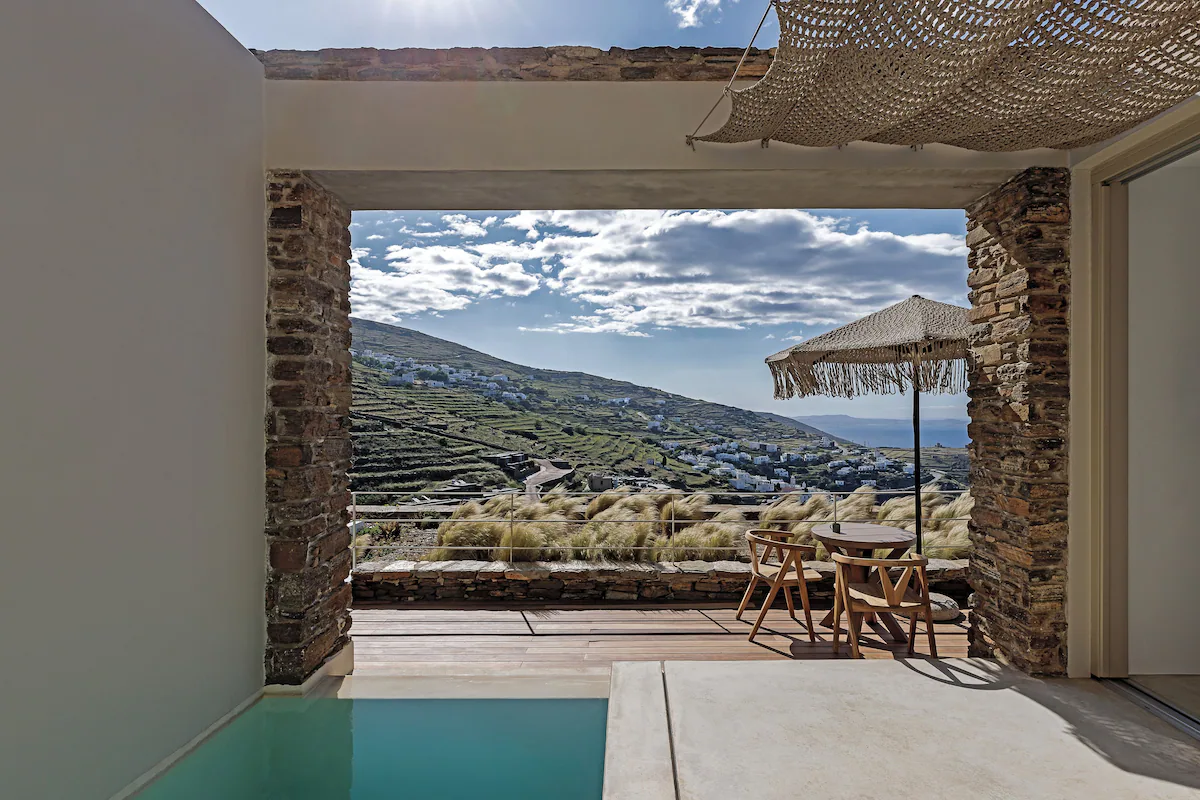
Ivy's Natural Resort occupies a cliffside perch in Arnados village, overlooking the sacred island of Delos and, on clear days, the glitter of Mykonos in the distance. The scale is intimate: six suites, each with a private pool, built into the hillside using traditional Cycladic techniques and local stone. The aesthetic walks the line between bohemian warmth and considered minimalism, natural textures, handmade details, beds dressed in CocoMat linens, kitchenettes for those who want to cook with market produce.
The concept emerged from a desire to honour filoxenia, Greek hospitality in its truest sense, while revealing a Tinos that visitors seldom see. The property can arrange pottery workshops, vineyard visits, olive oil tastings, sailing excursions, and yoga sessions, but the real draw may be the island's texture: basket weavers and beekeepers, hillside tavernas, beaches that remain genuinely uncrowded even in August. Tinos rewards those willing to slow down. Ivy's provides the base from which to do it.
Italy
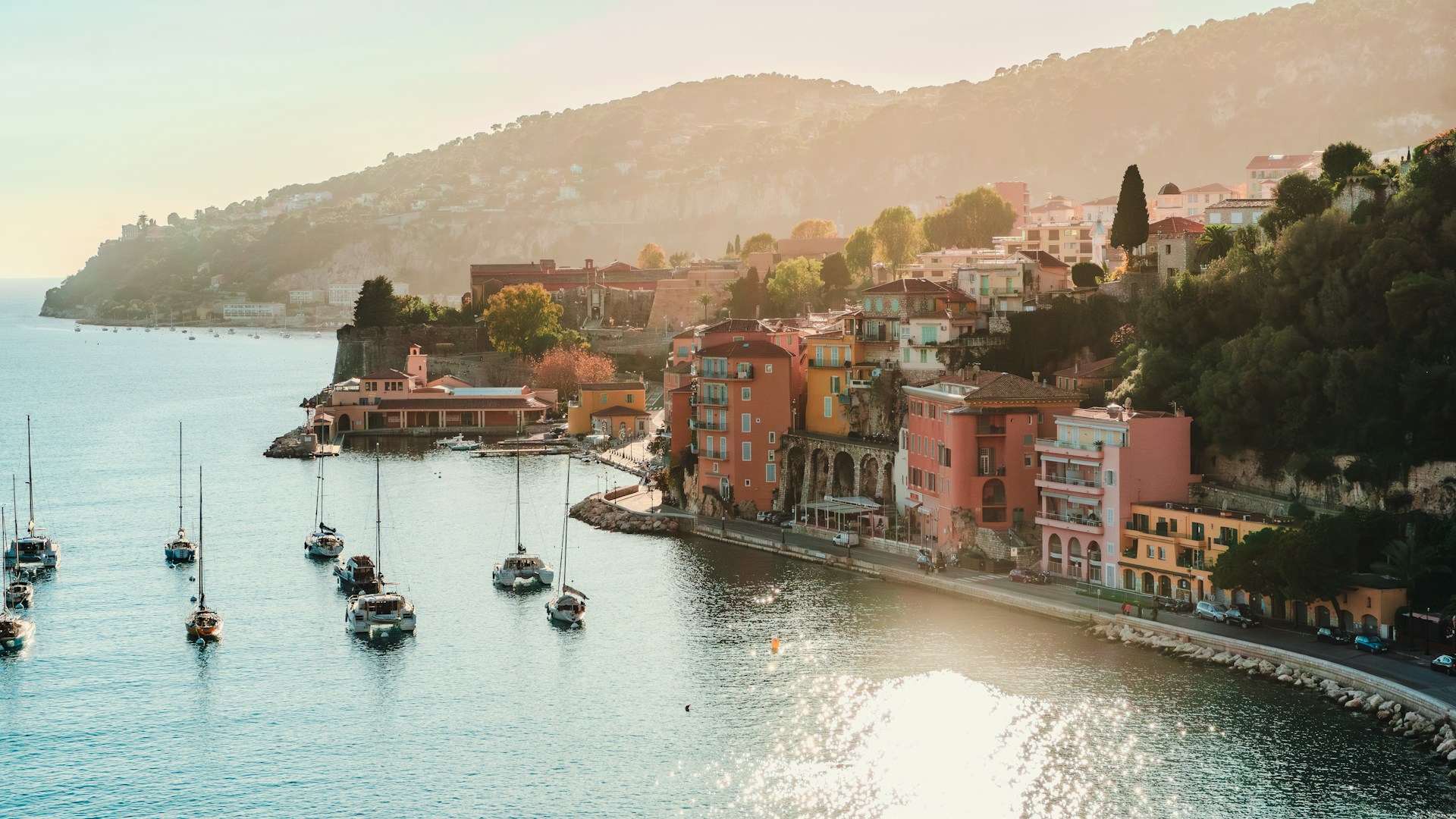
Positano needs little introduction. The vertical village tumbling down Amalfi cliffs has served as shorthand for Italian glamour since Steinbeck wrote about it in 1953 and the international set began arriving shortly after. The challenge now isn't putting Positano on the map, it's finding accommodations that match its mythology without succumbing to either overcrowding or overpricing for underwhelming experiences. These two properties, both family-run, represent different approaches to the same equation.
Villa Franca, Positano
HVF Villa Franca began life as a private home, built by a family that understood what made this particular hillside position special. Now in its third generation of hospitality under Rosa Taddeo and her husband Massimo, the property has evolved into a boutique hotel that balances legacy and modernity with notable grace.
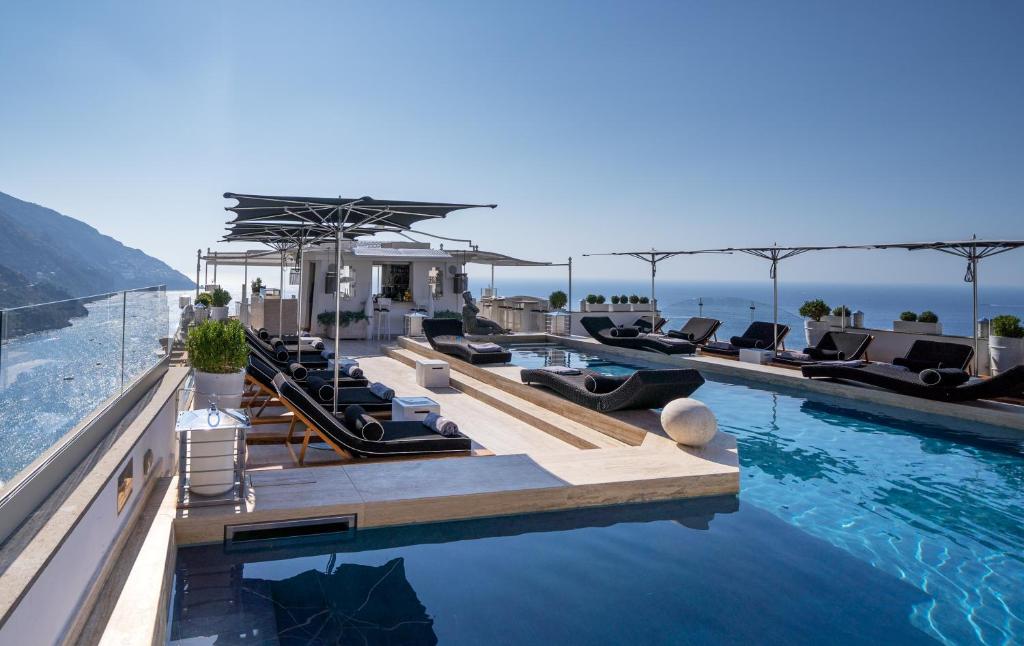
The bones are spectacular: a hilltop position above the town's cobblestone centre, views that sweep from Spiaggia Grande beach to the blue curve of the Tyrrhenian Sea, proximity to everything without the noise of being in the thick of it. The interiors layer traditional Amalfi elements, majolica tiles, Italian marble, with contemporary art and designer furniture. Rooms and suites run white and bright, with terraces that practically demand champagne breakfasts and sunset aperitivi.
Two restaurants anchor the food programme. Li Galli, named for the limestone islands visible offshore, delivers fine dining rooted in Campanian tradition: seafood from the bay, vegetables grown under Mediterranean sun, meats from nearby hills. The wine cellar runs to over a thousand labels from sixteen countries, overseen by Head Sommelier Franco D'Angelo. For lighter fare, Galligrill serves poolside at the rooftop infinity pool, one of Positano's most coveted perches.
The O'SPA wellness centre adds hammam treatments, Turkish baths, and massage therapies using Sothys products. A free shuttle connects to the town centre for those who prefer not to walk the hill. But the deepest luxury here may be simpler: a family that has been pioneering Positano hospitality since the early 1940s and understands instinctively what guests need before they think to ask.
Villa Fiorentino, Positano
Villa Fiorentino takes a different approach to Positano hospitality. Rather than hotel rooms, the property offers suites and apartments across four floors of a traditional cliff-perched building, each accommodation individually decorated in Mediterranean style and equipped with the kind of amenities, full kitchens, private terraces, living rooms, that suit longer stays or families.
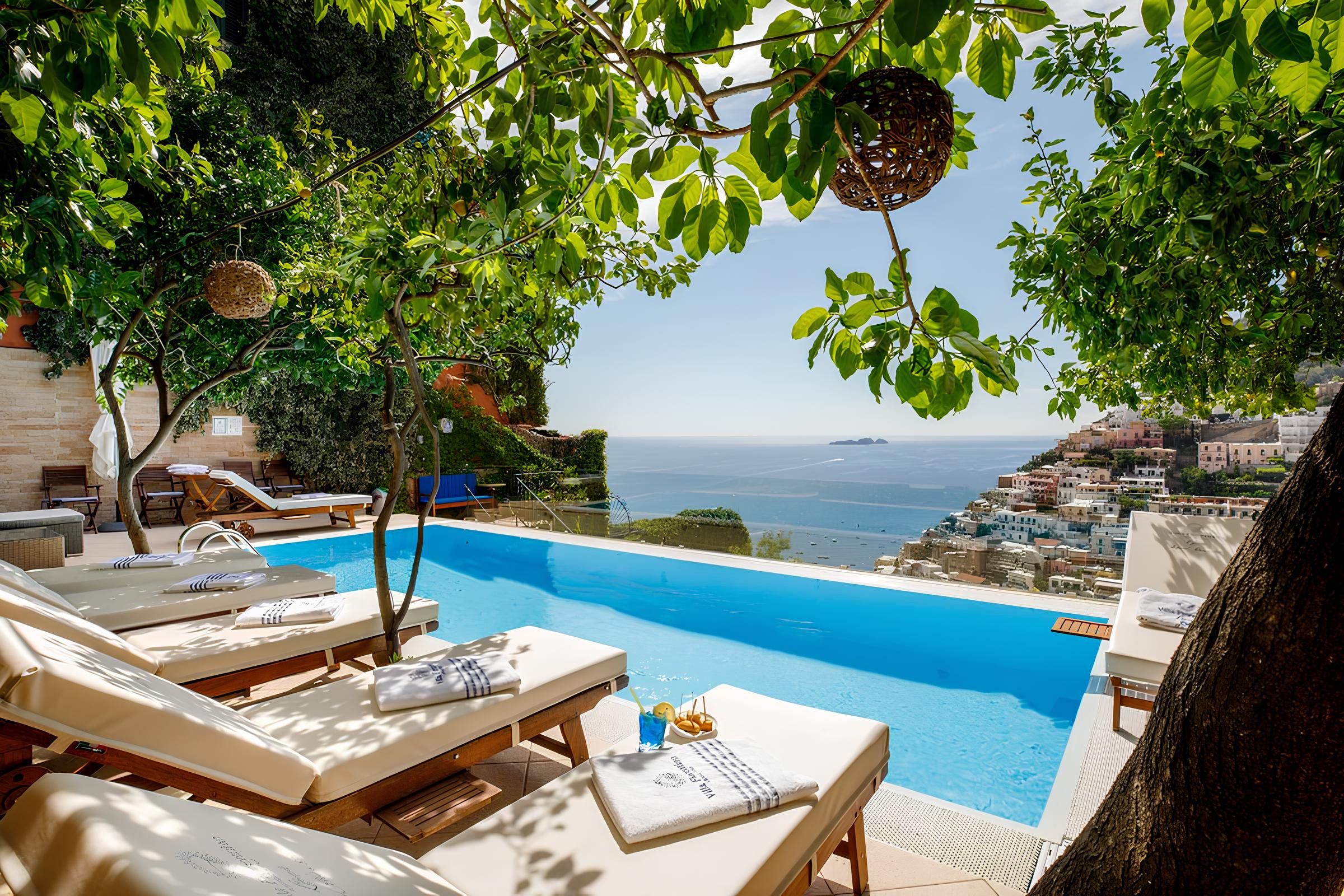
The location sits in one of Positano's most scenic positions: five minutes' walk from the centre, ten from the beach, but elevated enough that the chaos below becomes scenery rather than interference. Bougainvillaea frames terraces; lemon trees shade the approach; the Mediterranean fills the horizon. The honeymoon suite, complete with vaulted XVII-century ceilings and a watchtower bathroom that once scanned for Saracen raiders, encapsulates the property's approach: historic character meeting contemporary comfort.
The rooftop pools provide the theatrical element. Multiple infinity edges cascade down the building's upper levels, offering different vantages on the same spectacular view. A skyline bar mixes cocktails at sunset. The wellness area delivers Thai massages, body treatments, and the controlled indulgence of hydromassage. Breakfast arrives on private terraces each morning, eliminating the question of where to eat and whether a table can be secured.
This is family hospitality in the Italian sense: personal, adaptive, invested in guest satisfaction as a matter of pride rather than policy. The property has quietly attracted celebrities and footballers seeking privacy without publicity. But its greatest recommendation may be simple, it feels like staying in someone's beautiful home, if that home happened to occupy one of the Mediterranean's most photographed addresses.
Spain
The Balearic Islands have spent decades figuring out the balance between tourism and preservation. Mallorca's southern coast bears the scars of mass development; Ibiza's reputation precedes any nuanced discussion. But look to the old towns, the medieval cores that drew visitors before package holidays existed, and the sophistication persists. These two properties occupy historic palaces in the capitals of Mallorca and Menorca, offering a version of island life that has nothing to do with beaches and everything to do with heritage.
Posada Terra Santa, Mallorca
Hidden in the labyrinthine alleys of Palma's Old Town, Posada Terra Santa occupies a 16th-century palace that once housed the Boixador barons and various wealthy Palmesanos. The conversion to hospitality happened sensitively: New York's Rockwell Group led a 2024 redesign that honours the building's Gothic arches, weathered stone, and centuries-old earthenware while introducing contemporary comfort without period pastiche.
Twenty-six rooms spread across the manor house, each individually furnished with antique and modern pieces in dialogue. The atmosphere recalls a well-curated private home: plaster stag heads in the lounge, chessboards in the English Salon, art books stacked in the library, an honesty bar by reception. The building's old granary now houses a petite spa with an indoor pool kept at 28°C, a sauna, and treatment rooms offering Lomi Lomi massages and ayurvedic rituals beneath century-old vaults.
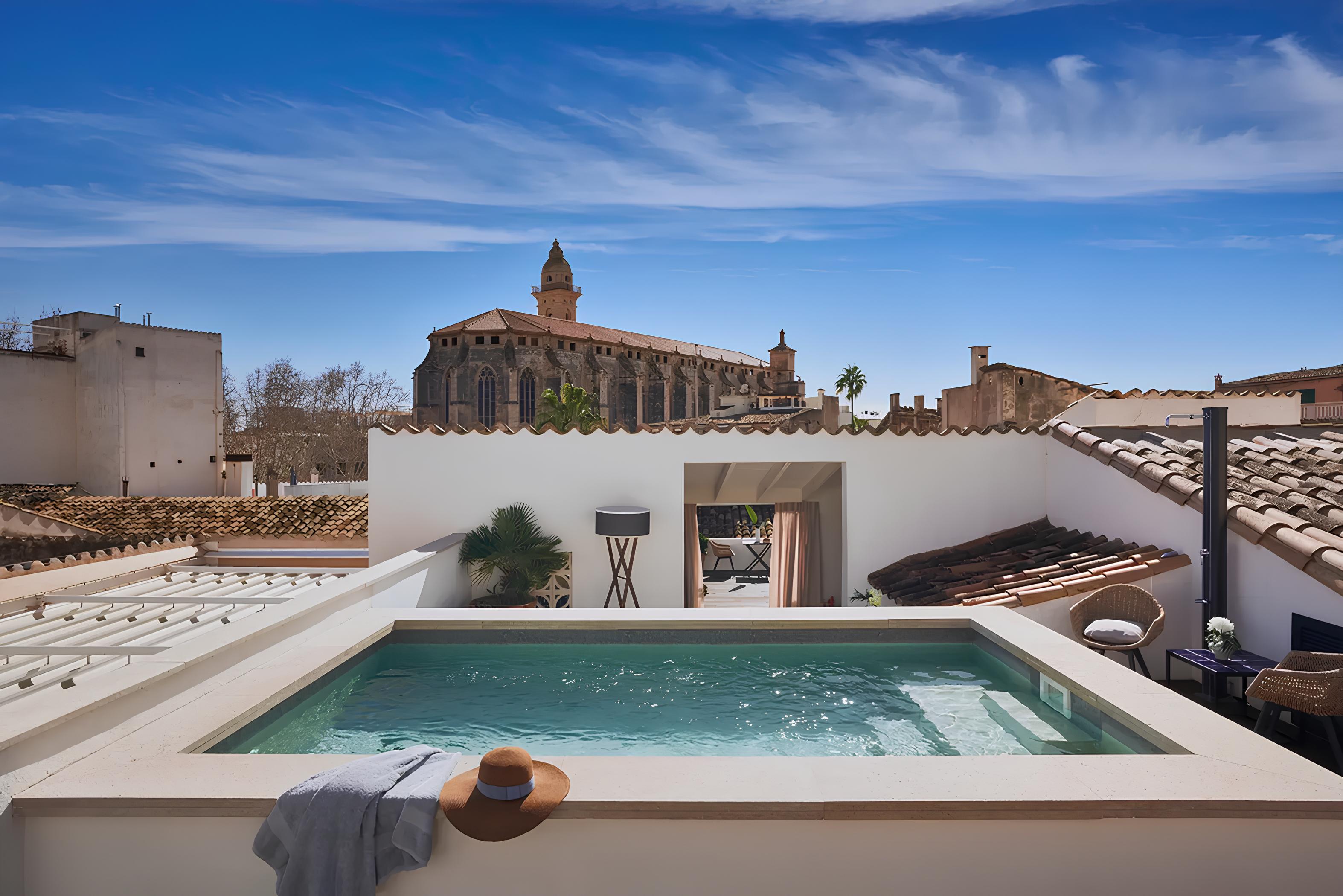
A rooftop pool, small but scenic, overlooks Palma's higgledy-piggledy rooftops and the nearby Basilica de Sant Francesc. La Despensa del Barón, the on-site restaurant, serves market cuisine with Spanish roots and farm-to-table sensibility beneath Gothic arches that make dinner feel like dining in a cathedral crypt. Breakfast brings Mallorcan specialities: sobrasada sausage, Porreres charcuterie, ensaïmada pastries, fruit from the nearby Mercat de L'Olivar.
The location places everything within walking distance: the Cathedral ten minutes away, Passeig del Born's boutiques nearby, the coast fifteen minutes by foot. But the greatest asset may be the calm. Step through the heavy wooden doors, cross the tea-light-lit courtyard, and the city's noise simply stops. Five centuries of Mallorcan history become your refuge from the Mediterranean summer.
Faustino Gran, Menorca
Menorca exists in deliberate contrast to its Balearic neighbours. Franco's antipathy toward the island, supposedly he denied it development funds, left its coastline largely unscathed, and modern Menorca has leaned into that distinction: UNESCO Biosphere Reserve status, beaches that remain genuinely empty, a pace that even the sleepiest Greek islands might find relaxed.
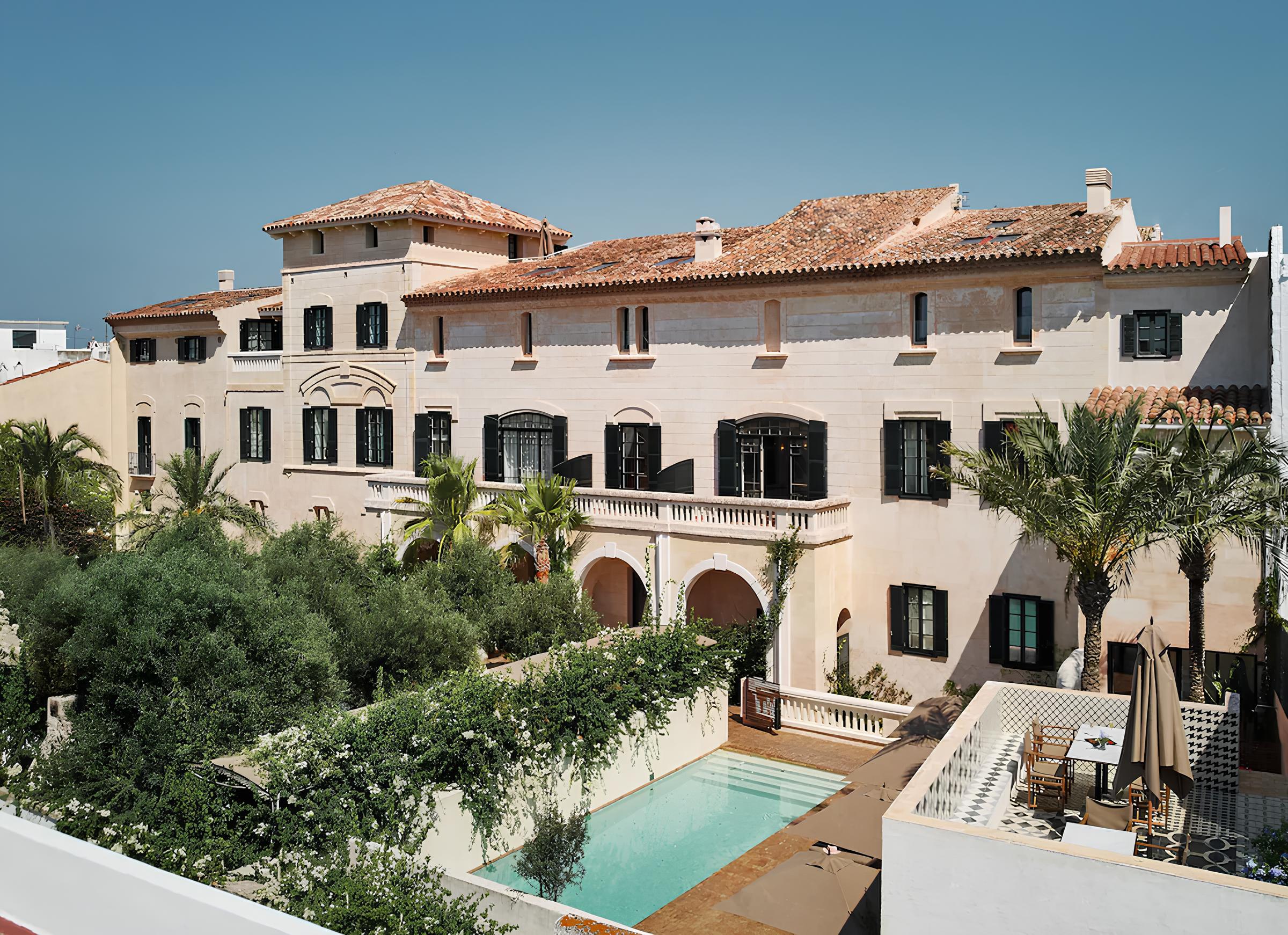
Faustino Gran, a Relais & Châteaux property, takes this philosophy indoors. The hotel occupies three historic palaces, Can Faustino, Cal Bisbe, and Can Sebastià, dating from the 16th, 17th, and 18th centuries respectively, all tucked into the medieval lanes of Ciutadella's old town. The port lies steps away. The Cathedral is visible from some windows. The narrow streets have that medina quality that comes from centuries of habitation.
French designer Olivia Putman of Studio Putman, the firm behind Morgans Hotel in 1980s New York, contributed to interiors that balance stateliness and restraint. Original details remain: curved doorways, arching ceilings, terracotta floors, wrought-iron railings. But the aesthetic runs cleaner than you might expect: white walls, natural colour palettes, minimalist furnishings that draw attention to the architecture rather than competing with it. Hermès bath products, bespoke Putman furniture, and Eden bedding complete the picture.
The operation extends beyond the town walls. Casa de Pau, a rural property 15 hectares into Menorca's pine-forested interior, provides a pool, terraces, and a kitchen garden that supplies the hotel's restaurants with produce harvested daily. A trio of boats, including the classic yacht Heloise, offers coastal exploration that puts Menorca's protected bays and hidden coves within reach.
Chef Matias Salvia runs the kitchen, balancing Mediterranean fine dining with French and South American influences while drawing almost exclusively on island produce. The wine list favours Menorcan and Mallorcan labels. The concierges belong to the elite Les Clefs d'Or association. Service operates at the level where requests are anticipated rather than made. This is Menorca at its most refined, an island that never needed development to have something worth protecting.
Turkey
Ahãma, Fethiye
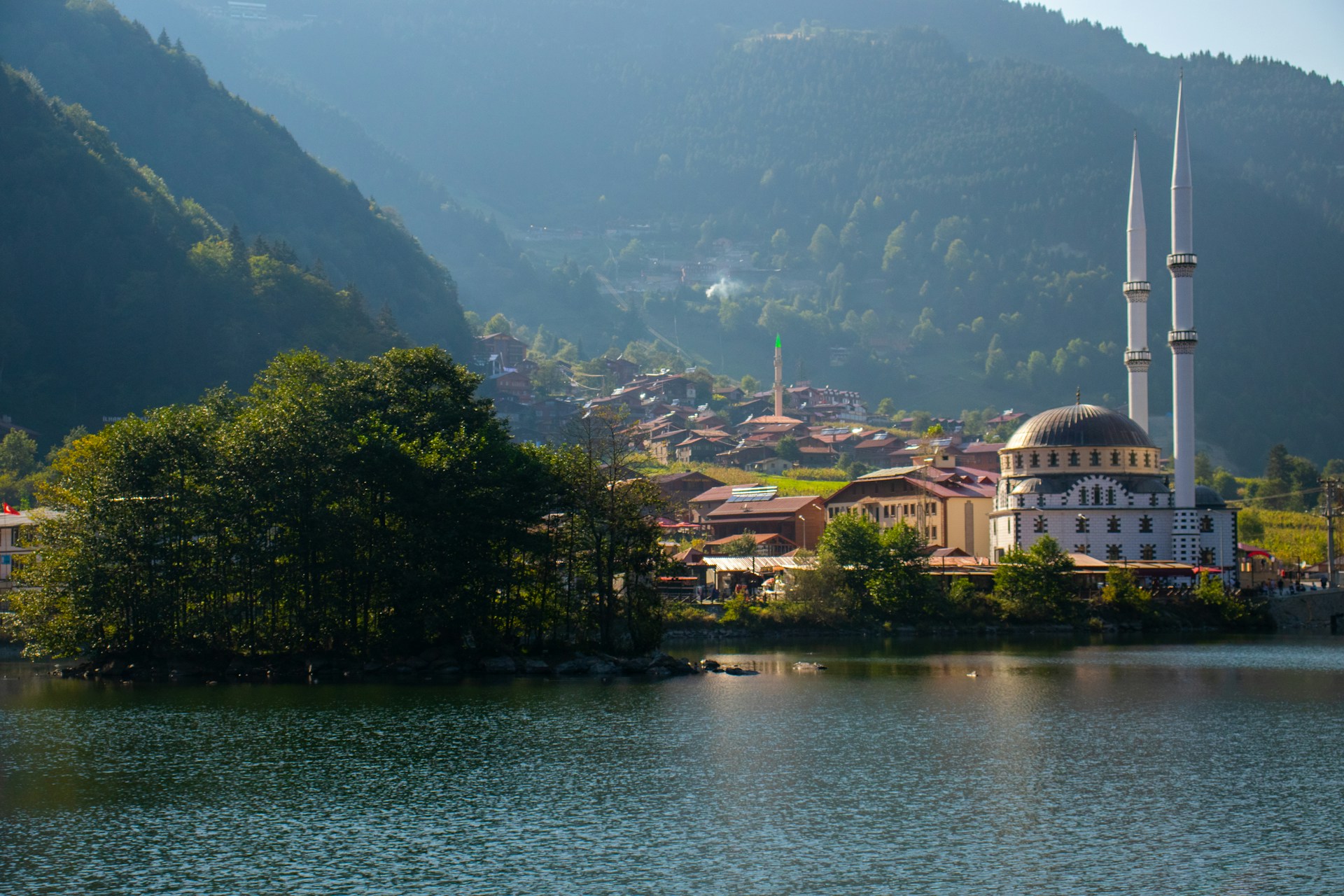
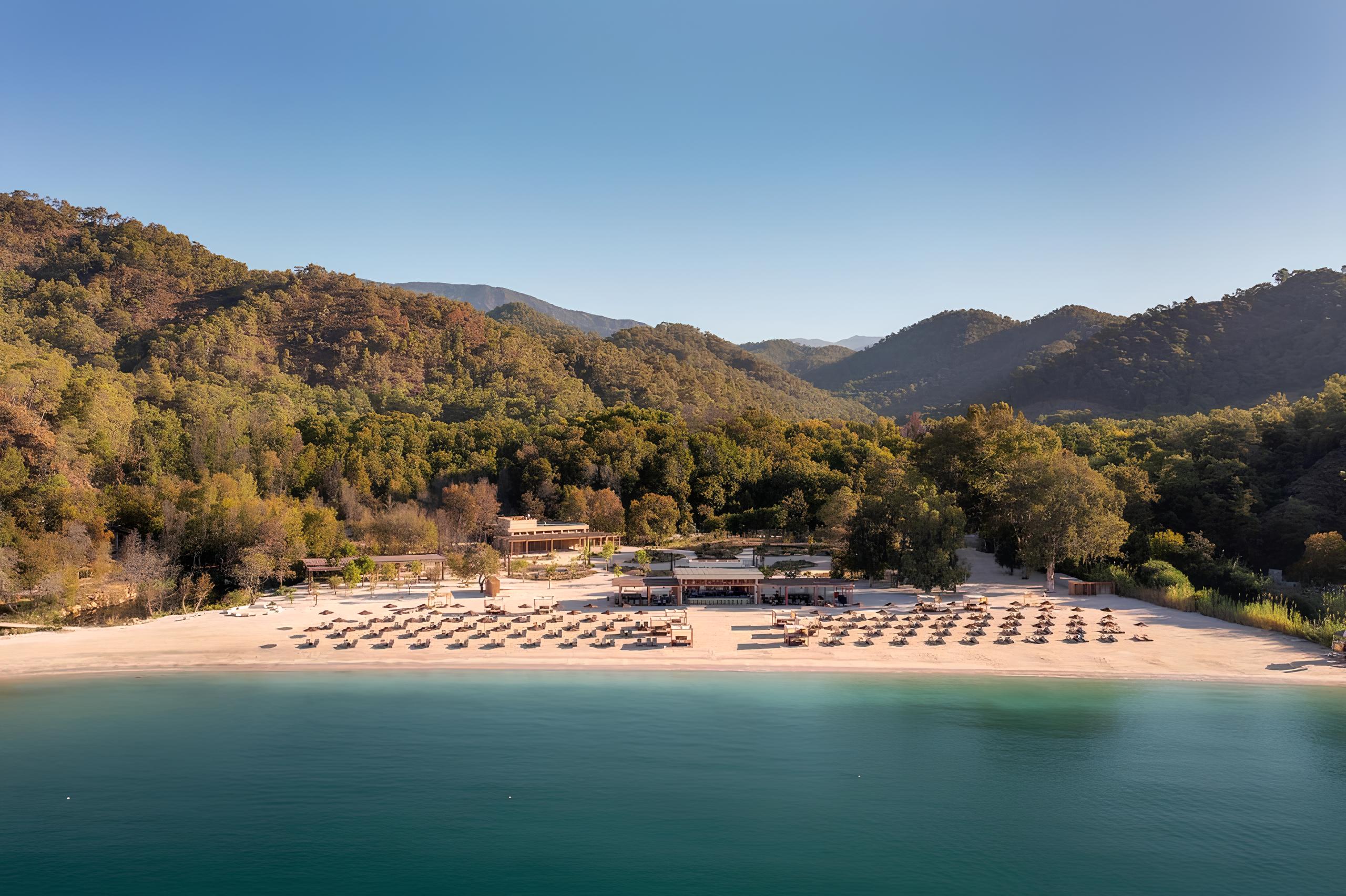
The Turkish Riviera has always played second fiddle to the Greek islands and Italian coasts in the international imagination. That relative obscurity preserved something: stretches of coastline where yachts still anchor in empty bays and the ancient Lycian civilisation left tombs carved directly into cliff faces. Ahãma, which opened in 2025, occupies precisely this territory.
The setting is Günlüklü Bay, a protected 20-hectare biodiverse forest about ten kilometres from Göcek, the yachting hub that serves as gateway to the Twelve Islands. The name derives from an ancient Lycian word meaning 'beloved,' and the landscape justifies the poetry: the rare Liquidambar orientalis trees (oriental sweetgum) that ancient cultures treasured for healing properties, the Babadağ Mountains forming a dramatic backdrop, the Aegean waters creating what amounts to a natural amphitheatre.
The architecture, 30 cabanas and 29 guest rooms, walks the line between Lycian temple columns and Japanese minimalism, with timber frames that mimic the surrounding tree trunks and reeded panels that filter light through plantation-style geometry. The Glasshouse serves as centrepiece: a transparent temple of sorts that opens onto forest and sea simultaneously. Throughout, the approach emphasises restraint. Natural stone sinks. Custom Lycian motifs inscribed subtly in shower tiles. The absence of typical luxury trappings in favour of quiet proportion and considered materials.
Four restaurants cover significant ground: Êge Umi for Japanese-influenced sea-to-table dining; Mezkla for Mexican-Mediterranean beach club fare; Ay for wood-fired ancestral feasting; the Glasshouse for all-day dining that transforms into evening sessions with acoustic music and DJ sets. The wellness programme leans into the setting with conviction: sound baths in a dedicated temple, forest bathing, qi gong, t'ai chi, watsu (water shiatsu), art therapy, sunrise yoga, and shamanic rituals that might raise eyebrows elsewhere but somehow fit the context.
Yacht charters access the Göcek Islands, with their Roman ruins and secret coves and occasional loggerhead turtle sightings. The ancient rock tombs of Fethiye await those curious about Lycia's past. Butterfly Valley, a lush canyon accessible only by boat, home to more than 100 species, provides a day trip that justifies the region's 'Turquoise Coast' branding. Ahãma, as member of Relais & Châteaux, delivers the polish that designation implies. But the real draw is simpler: a corner of the Mediterranean that still feels like a discovery.
Portugal
Viceroy at Ombria Algarve, Algarve
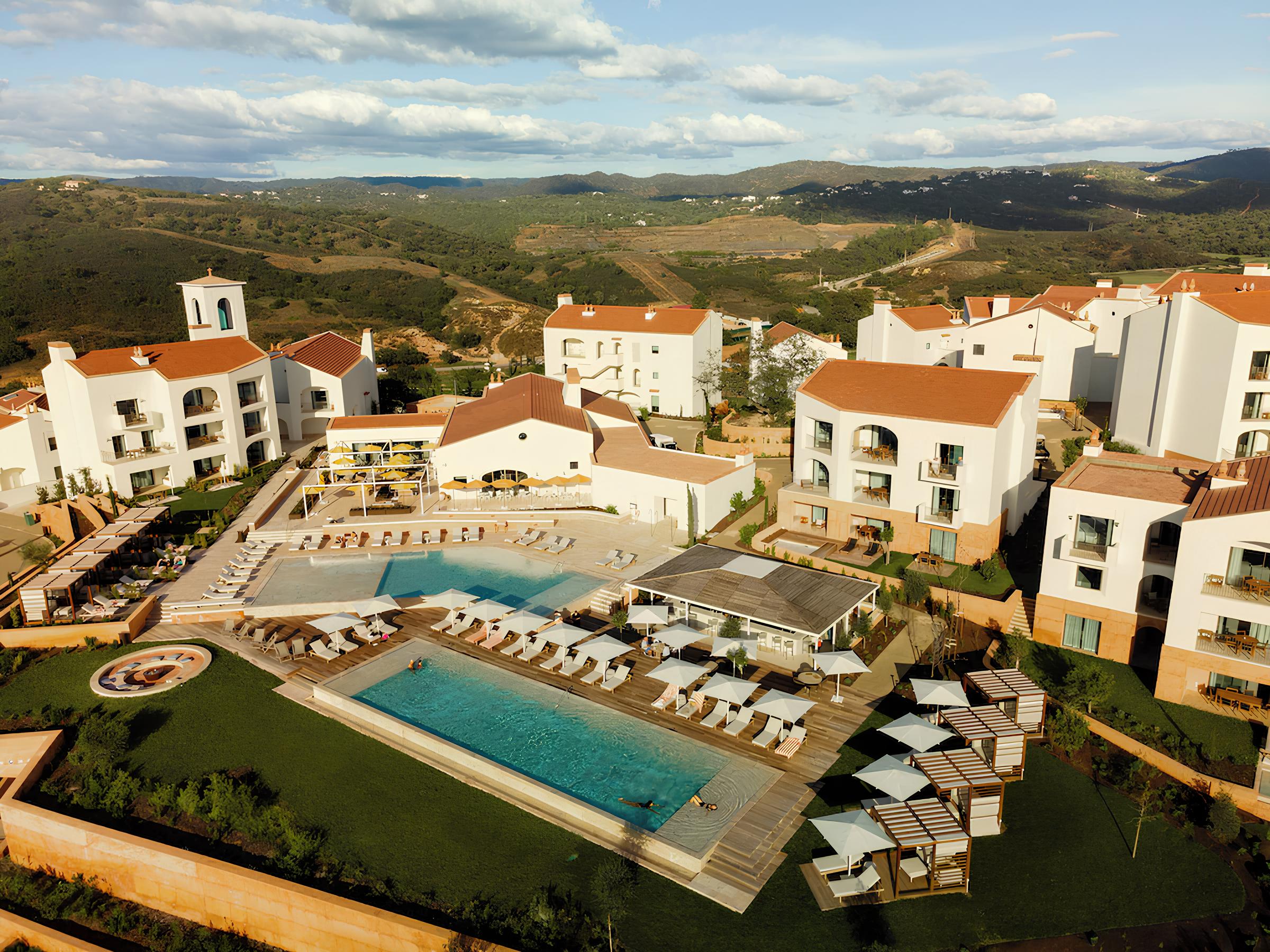
The Algarve's coastal reputation precedes it: dramatic cliffs, golden beaches, golf courses, the kind of development that has made southern Portugal synonymous with European beach holidays. Viceroy at Ombria Algarve, which opened in October 2024, takes a different position, literally. The resort lies inland, in the rolling hills of the Barrocal region near Loulé, surrounded by ancient olive groves and cork forests rather than sea views.
The design borrows from traditional Algarvian village architecture, cobblestone pathways connecting low-slung buildings, rooftop terraces, the warm earth tones of the surrounding landscape, while incorporating the 'provocative design and imaginative art encounters' that the Viceroy brand promises. One hundred fifty-one guestrooms, suites, and residences employ natural materials: hardwood floors, soaking tubs, Azulejo tiling, Moorish accents. Some residences include full kitchens and private pools for extended stays.
Six restaurants and bars provide culinary range: Ombria Kitchen for family-style dining with live cooking stations; Solalua for creative Portuguese sharing plates; Café Central for pastéis de nata and wood-fired light meals; Bellvino for wine-and-charcuterie pairings with vineyard views. The food programme emphasises seasonality and local sourcing, produce from the property's own gardens, dishes served in handcrafted clay pottery, reflecting an Algarve that exists beyond tourist-facing seafood restaurants.
The 18-hole Ombria Golf Course attracts a certain clientele, but the property's ambitions extend beyond sport. The Holistic Spa by Viceroy, opened in early 2025, offers a thermal pool, eight treatment rooms, and rituals that blend modern wellness with traditional Portuguese elements. Immersive experiences, beekeeping at a nearby family farm, pottery workshops, guided hikes through the Fonte Benémola nature trail, stargazing in the certified dark-sky reserve, reveal the inland Algarve that most visitors never encounter.
The coast remains accessible, Faro Airport sits 30 minutes away, and the resort can arrange beach club access for those who need sand between their toes. But Viceroy at Ombria argues, persuasively, that the Algarve's interior deserves attention on its own terms: the Saturday market in Loulé, the olive oil producers and cork forests, the villages where daily rhythms haven't changed for generations. Sometimes the best beach hotel is one that reminds you the beach isn't everything.
Frequently Asked Questions
| What is the best hotel in the Mediterranean for 2026? | The answer depends on your priorities. For eco-conscious luxury with direct beach access, The Revery in Crete offers Greece's first luxury tented pavilions near world-famous Elafonisi beach. For classic Amalfi Coast glamour, Villa Franca in Positano delivers three generations of Italian hospitality with a rooftop infinity pool and Michelin-quality dining. For wellness immersion, Ahãma on Turkey's Turquoise Coast combines sound baths, forest bathing, and protected woodland beaches. |
| Which Greek island has the best boutique hotels in 2026? | Crete currently leads for variety and quality. The western coast offers The Revery near Elafonisi and Tella Thera in Kissamos—both opened in 2025 with sophisticated sustainability credentials. For travellers seeking alternatives to crowded Santorini and Mykonos, Tinos provides authentic Cycladic culture through intimate properties like Ivy's Natural Resort, overlooking Delos with just six suites. |
| What are the best sustainable luxury hotels in the Mediterranean? | Tella Thera in Crete represents the gold standard for 2026, combining passive cooling, solar power, zero-waste dining, and green roofs within a Design Hotels property. The Revery applies similar principles through biological wastewater treatment, dark-sky-friendly lighting, and local material sourcing. Ahãma in Turkey balances bohemian luxury with conservation architecture in a protected liquidambar forest. |
| Where should I stay in Positano in 2026? | Villa Franca suits travellers seeking a polished boutique hotel experience with rooftop pool, full-service spa, and fine dining. Villa Fiorentino appeals to those who prefer apartment-style accommodation with kitchens and living spaces, ideal for families or longer stays. Both occupy elevated positions with spectacular views while remaining within walking distance of the beach and town centre. |
| Is Menorca or Mallorca better for a luxury beach holiday? | Menorca offers quieter beaches and a UNESCO Biosphere Reserve landscape that has escaped mass development. Faustino Gran in Ciutadella provides Relais & Châteaux refinement across three historic palaces. Mallorca's Posada Terra Santa in Palma suits travellers who want urban culture, galleries, restaurants, cathedral, combined with easy coastal access. Both islands deliver distinct versions of Balearic luxury. |
| What is the best new beach hotel opening in 2025-2026? | Ahãma in Turkey's Günlüklü Bay opened in mid-2025 as a Relais & Châteaux property with 59 cabanas and rooms, four restaurants, and an extensive wellness programme including sound temples and watsu pools. Tella Thera launched in Crete's northwestern corner with 21 suites as a Design Hotels member focused on biophilic architecture and plant-forward cuisine. |
| Which Mediterranean hotel is best for families? | Viceroy at Ombria Algarve in Portugal was designed with families in mind, offering residences with full kitchens, a dedicated kids' club, multiple pools, and activities ranging from beekeeping to pottery. Villa Fiorentino in Positano provides apartment-style accommodations where families can spread out. Faustino Gran in Menorca combines historic charm with connecting rooms and boat excursions to family-friendly beaches. |
| What is the best Mediterranean destination for wellness travel? | Turkey's Turquoise Coast has emerged as a wellness destination, with Ahãma offering sound baths, forest bathing, shamanic rituals, and treatments drawing on ancient Lycian traditions. In Portugal, Viceroy at Ombria Algarve opened a Holistic Spa in early 2025 with thermal pools and nature-integrated rituals. Tella Thera in Crete provides a magnesium pool, chromotherapy showers, and treatments using local botanicals. |
| Which hotels have the best restaurants in this selection? | Faustino Gran in Menorca operates a Relais & Châteaux kitchen under Chef Matias Salvia with farm-to-table produce from the hotel's own gardens. Villa Franca in Positano houses Li Galli restaurant with a 1,000+ label wine cellar. Ahãma in Turkey spans four culinary concepts from Japanese-influenced seafood to ancestral wood-fired cooking. Viceroy at Ombria Algarve offers six dining venues including Solalua's creative Portuguese sharing plates. |
| How do I choose between these Mediterranean hotels? | Consider what you actually want from a beach holiday. For barefoot luxury and nature immersion, choose Crete (The Revery, Tella Thera) or Turkey (Ahãma). For historic palaces and cultural depth, the Balearics (Posada Terra Santa, Faustino Gran) deliver. For classic Mediterranean glamour, Positano (Villa Franca, Villa Fiorentino) remains unmatched. For inland exploration with coastal access, Viceroy at Ombria redefines what an Algarve holiday can be. |