The Long Stay Renaissance: How Luxury Hotels Are Becoming Homes for a Month
The most interesting trend in luxury hospitality right now is not happening at the front desk. It is happening at the reservation system, where a quiet line of code has been rewritten across hundreds of independent hotels in the past three seasons. The minimum-stay field, for decades set at one night, now accepts numbers that would have seemed absurd before the pandemic.
This is not the return of the residence hotel, the early twentieth century model where the wealthy installed themselves at the Ritz Paris for the season and treated the dining room as a club. The new long-stay traveller does not move in a steamer trunk. They arrive with a carry-on, a laptop, and a vague sense that the meeting they were supposed to attend in person next Tuesday can be done by video instead. The shift is structural, and the hospitality industry, after a slow start, has begun to take it seriously.
Three forces converged. The first was the normalisation of distributed work for a particular socioeconomic strata. The cohort that had spent decades chained to a Manhattan or London office discovered, between 2020 and 2022, that the office had stopped being a requirement and had become a preference. The preference, for many, fell away. The second force was the maturation of a generation of travellers in their thirties and forties who had built their professional identities online and discovered that geography was negotiable. The third was the slow recognition by the hospitality industry that the lease-versus-Airbnb axis was missing a third option: the serviced stay at hotel-grade quality, at a rate that made sense for thirty nights.
The mathematics changed first. A high-quality boutique hotel in a secondary European market, priced at four hundred and fifty euros a night in shoulder season, becomes affordable on a monthly basis only if the property is willing to offer somewhere between forty and sixty per cent off the nightly rate. Until 2022, almost no independent hotel would do this. The conventional wisdom held that monthly discounts cannibalised peak-season inventory and devalued the brand. The conventional wisdom, in retrospect, was protecting a calculation that no longer reflected demand.
By 2024, the calculation had inverted. Independent hotels in destinations with a long shoulder season found that the alternative to a monthly guest paying a discounted but real rate was a room sitting empty for the same period. A modest monthly discount, at occupancy that would otherwise have been nothing, became a structural improvement in annual revenue. The properties that figured this out first are the properties that the long-stay traveller now knows by name.
What follows are five of them, drawn from the Top World Hotel network. Five geographies, five climates, five different reasons to spend a month somewhere that is not home.
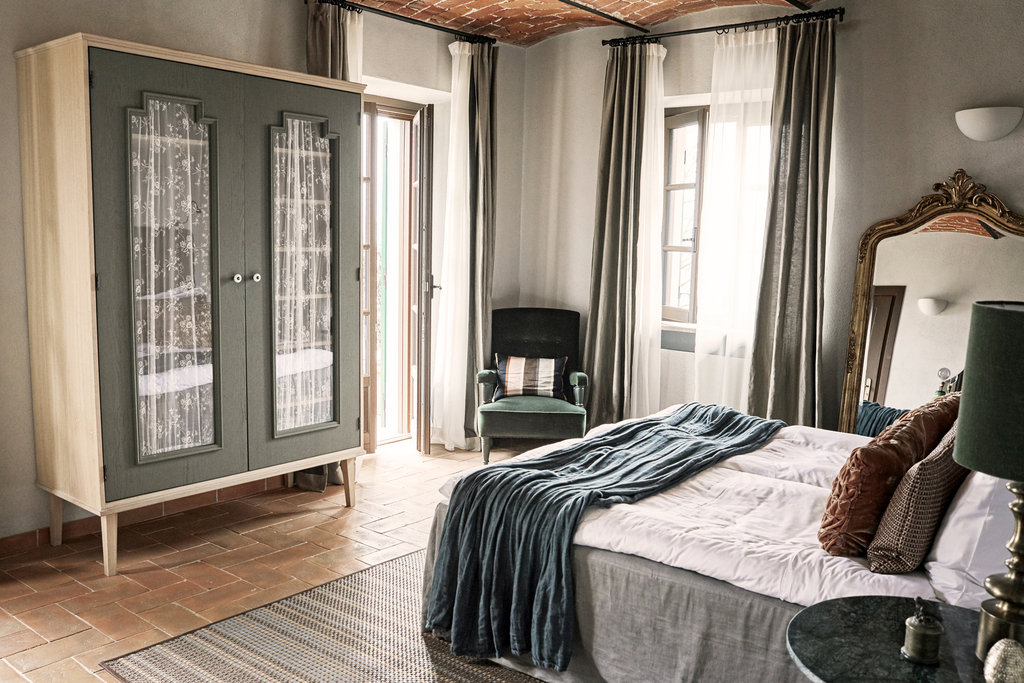
01Villa La Madonna, Piedmont: the agricultural estate that became a winter office
Villa La Madonna is an eighteen-room agricultural estate in the Monferrato hills, the soft countryside between the Langhe and Liguria where the wine is excellent and the noise is silent. The property runs as a hotel from April to October. From late October through March, when the surrounding region’s restaurant scene operates on a reduced four-day-a-week schedule and the vineyard work stops, the calendar is dominated by monthly guests.
The redesign that made this possible happened in 2024. Three suites were stripped back, fitted with full desks, ergonomic chairs, dedicated enterprise-grade Wi-Fi, sound insulation, and the kind of blackout curtains that actually work for someone on a Pacific time zone video call at eleven at night. The result is what the property’s general manager describes, accurately, as a hotel room that does not feel like a hotel room until the guest opens the door and the breakfast tray is on the bedside table.
The minimum-stay structure begins at fourteen nights and the property’s winter calendar is fully booked. The guest profile is almost exclusively professionals from London, Milan and New York who have decided that a Piedmontese winter is more agreeable than a London one. The monthly rate, including breakfast, weekly laundry and twice-weekly housekeeping, sits below what the same guest would pay for a comparable London hotel for ten nights. The wine cellar is more accessible in February than in any other month of the year. The breakfast room belongs to the same three or four guests for weeks on end.
What works at Villa La Madonna is the rhythm of the surrounding region. The countryside is dense with small producers (cheese, salami, hazelnut, truffle in winter) and the slow Sunday lunches that Italian rural life is built around. A guest staying for a month becomes part of it. By the third week, the family running the trattoria in the next village knows what wine to pour.
02Villa Mahabhirom, Chiang Mai: the teakwood-pavilion property at the centre of the long-stay capital of Asia
Chiang Mai has been the long-stay case study for almost a decade. The city’s combination of low cost of living, sophisticated food culture, walkability, year-round climate, established expatriate infrastructure and proximity to a major airport produced the original digital-nomad market before the term existed. The hospitality industry’s recent contribution has been to graduate the offering from co-working hostels to actual hotels with actual standards.
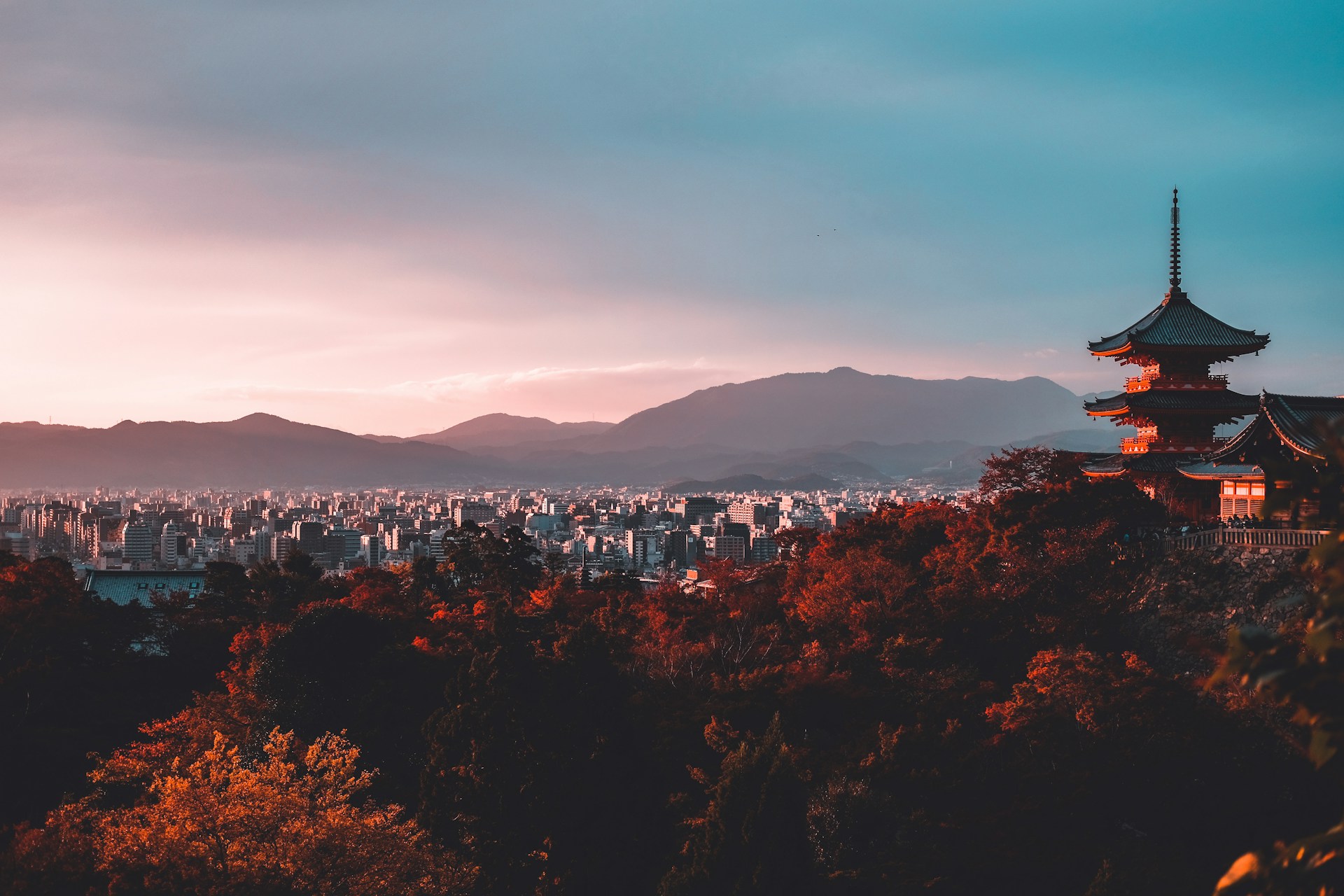
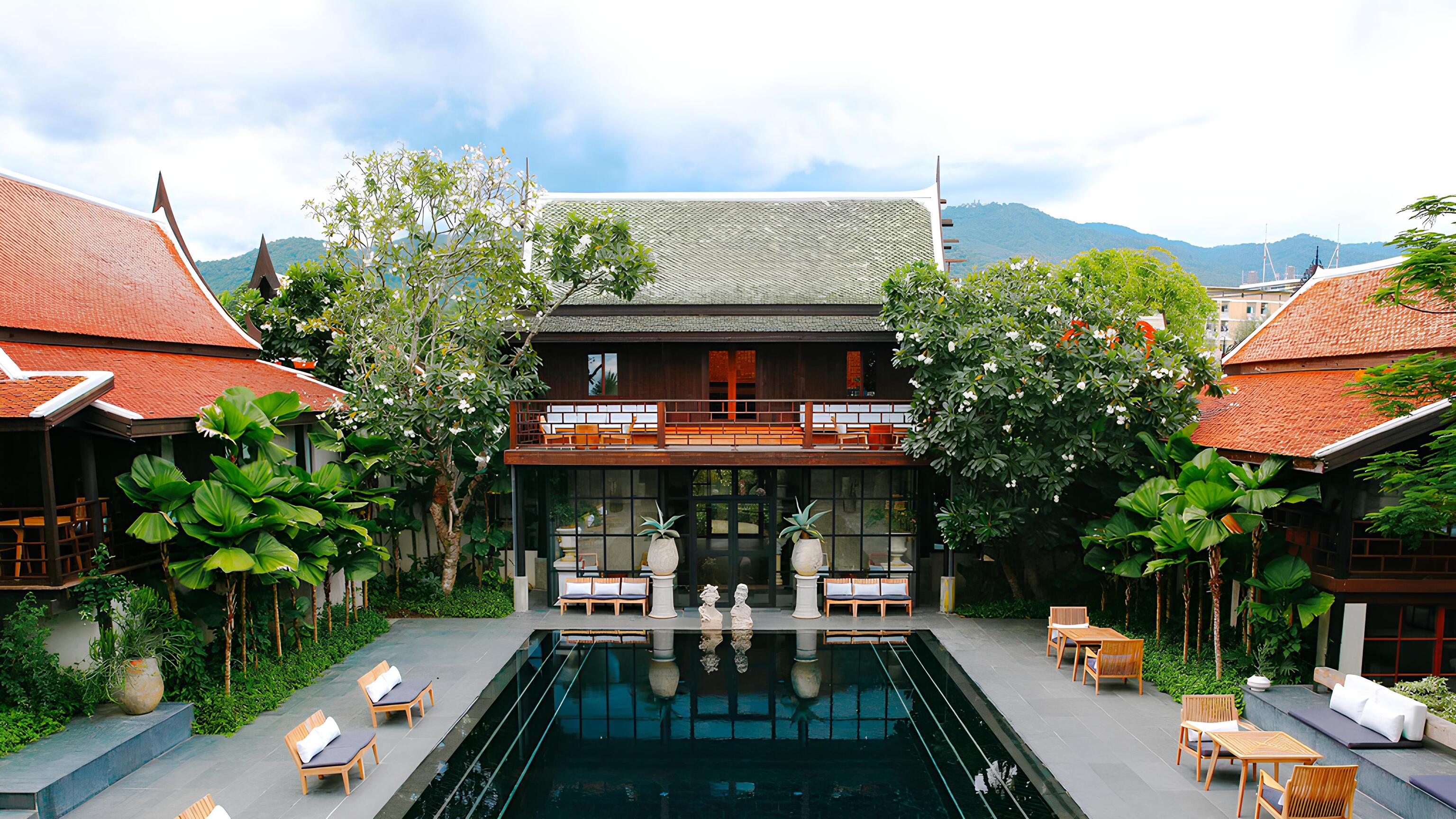
Villa Mahabhirom, on the western edge of the Old City, is the most coherent expression of this graduation. The property is a collection of antique teakwood pavilions, individually moved from elsewhere in northern Thailand and reassembled within a walled garden of frangipani and mango trees. The architecture is genuine, not reproduction. Some of the timber is two centuries old.
The hotel runs a long-stay programme from June through October, the rainy season that thins out the conventional tourist market but is, in fact, the best time of year in Chiang Mai for anyone who actually lives there: cooler temperatures, dramatic afternoon storms, the rice paddies at their greenest. The programme pairs a discounted nightly rate with included weekly housekeeping, a defined laundry allowance, and unrestricted access to a salt-water pool that is empty for most of the day.
The property’s repeat long-stay guests, several of whom return for the same six weeks every year, are the kind of guests who are not on any digital-nomad social media channel and do not refer to themselves as digital nomads. They are simply people who have decided that the Thai rainy season is a more pleasant version of October than the European one. The price of a month at Villa Mahabhirom, including all of the above, sits below the European market rate for ten nights at a comparable property.
03AS Boutique Residence, Havana: a Cuban winter, run by a small private hotel
The market for long stays in Cuba was constrained for years by an internet infrastructure that could not support remote work and by a hospitality industry oriented almost exclusively toward short-stay tourism. Both constraints have softened. The 2023 expansion of fibre service in the central districts, combined with the gradual emergence of small private hotels and boutique residences that operate outside the state-owned tourism circuit, has created a long-stay niche that did not exist before.
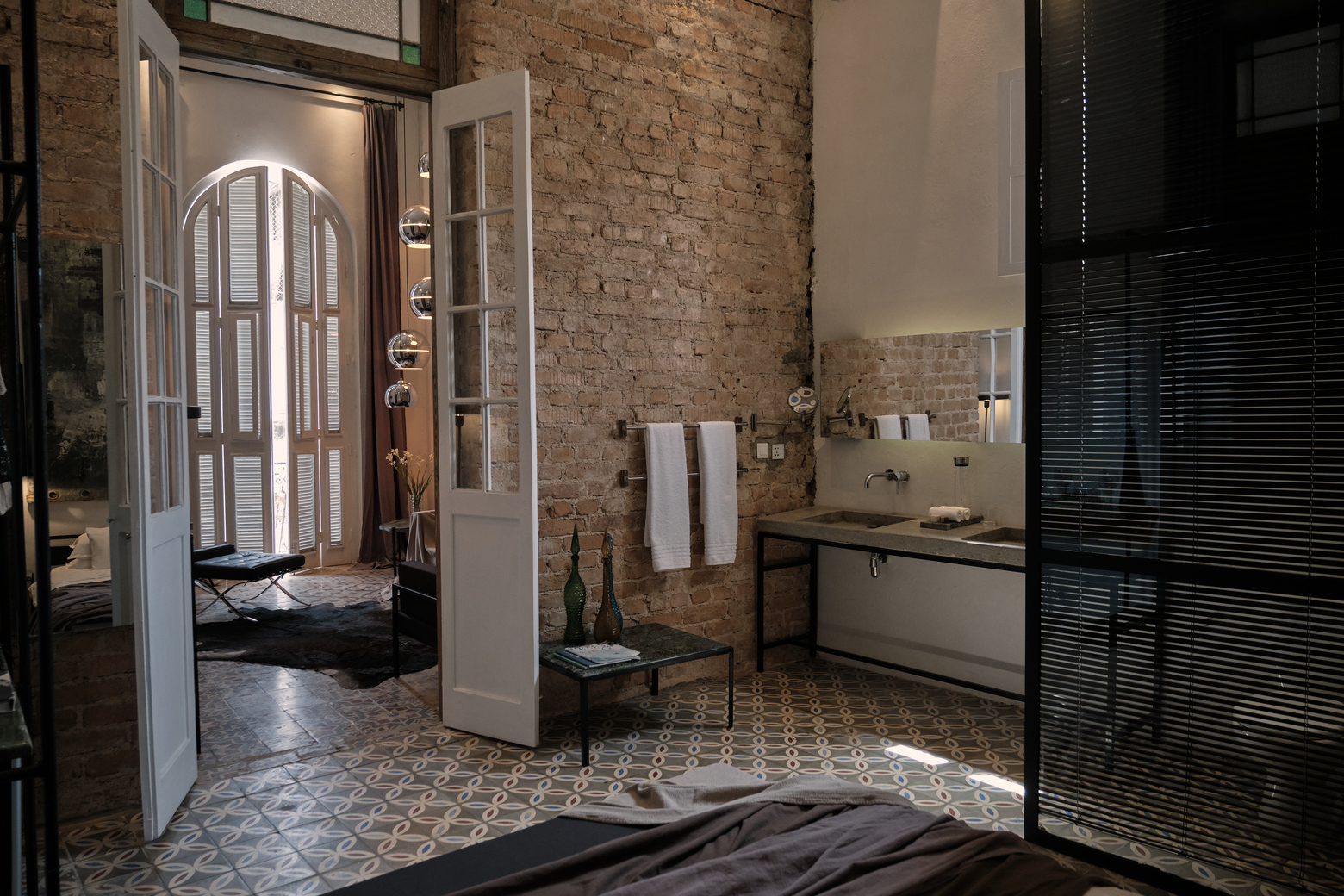
AS Boutique Residence, in a restored colonial building in Old Havana, runs a quarterly programme for guests who want to spend a season in the city without the friction of renting a private apartment. The property handles cleaning, laundry, breakfast, and the small bureaucratic complications that make a longer stay in Cuba difficult on a private rental.
The clientele divides roughly evenly. Approximately half are writers, photographers and creative-industry professionals on extended research trips, drawn by Havana’s deep cultural texture and the fact that the city remains, for the moment, outside the global commercial template that has overrun most equivalent destinations. The other half are retired Europeans who have decided that a Cuban January, at twenty-six degrees and the colour palette of Old Havana at three in the afternoon, is the antidote to a Berlin one.
The property is small. There are eight suites. The dining room serves a single set menu in the evening, Cuban with European inflections, prepared by a chef the owners poached from one of the better state-owned restaurants nearby. A long stay here is not for guests who want hotel anonymity. The same five faces appear at breakfast every morning for three months. For travellers who want their winter month to also be a small social experience, this is the cleanest version currently bookable in the Caribbean.
04The Village by WPS, Milos: the Cycladic long stay nobody is talking about yet
The Greek islands divide cleanly on the long-stay question. Mykonos and Santorini do not work because the offer dies after the third day for any traveller who is not on the beach-club circuit. The lesser-known islands work because the offer does not die. Milos has emerged in the past two years as the long-stay alternative for Cycladic travellers.
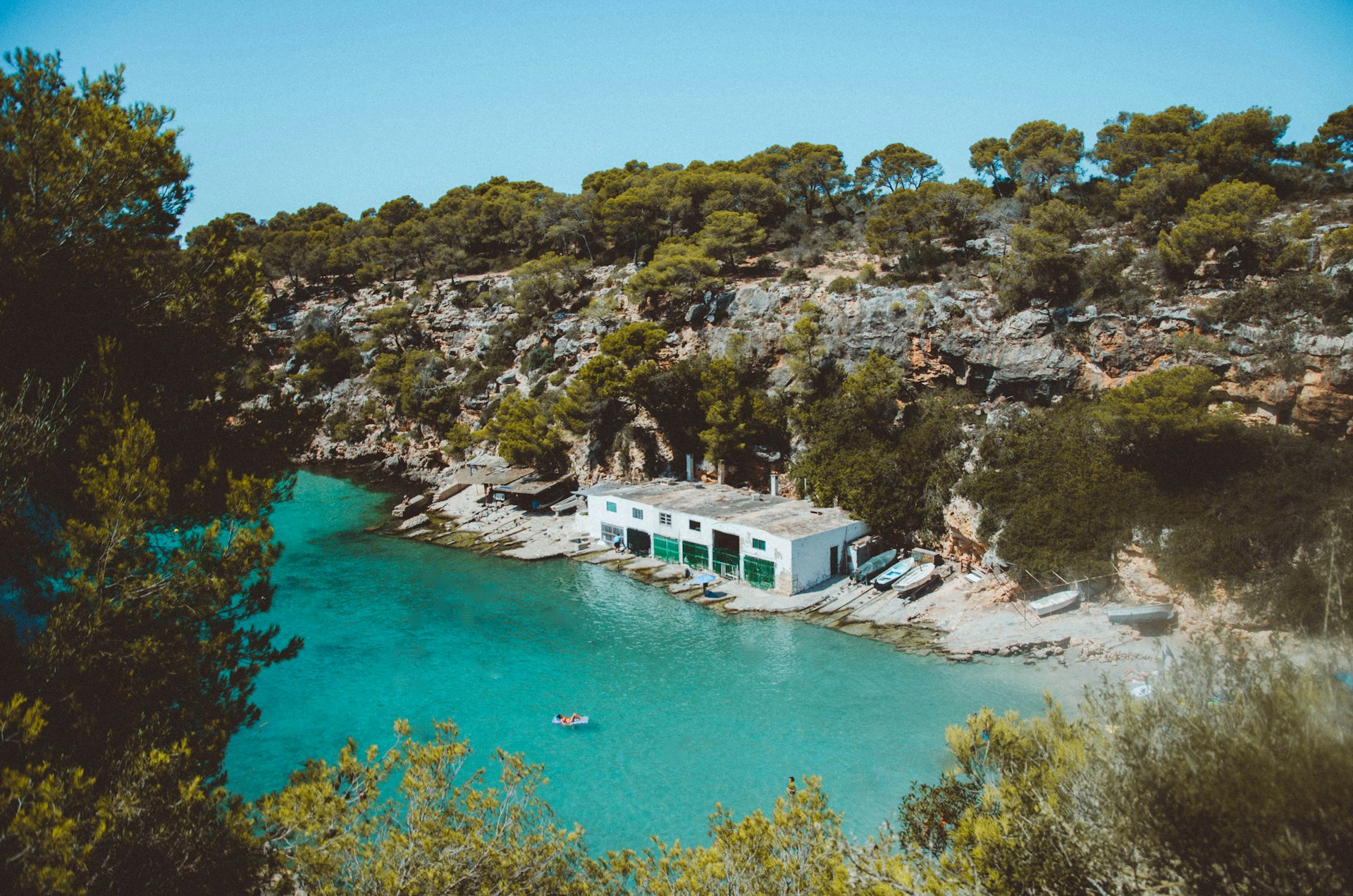
The Village by WPS, a small property of converted Cycladic houses in the inland village of Tripiti, operates a winter and shoulder-season programme that has become quietly oversubscribed. The houses have full kitchens, generous outdoor space, and the kind of stone-and-whitewash architecture that holds up under the long-term gaze in a way that the standard sugar-cube hotel room does not.
The island has fishing villages, hiking, beaches that operate on a different timetable from the Cycladic norm, an excellent winemaker outside the village of Plaka, catamaran trips to caves that Santorini cannot reach, and approximately one tenth of the visitor traffic of Mykonos. A guest staying for a month moves the rhythm of their day around the island’s daily rhythm: bakery in the morning, market on Wednesday, fishing boat catch at the port in the afternoon, dinner in a different village every other evening.
The minimum stay is two weeks. The optimum, judging from repeat-guest patterns, is three to five. The price differential against staying in a similar quality apartment in central Athens is, in shoulder season, in favour of Milos.
05Anaia Villa, Ko Pha Ngan: the tropical island stay that does not feel like a resort
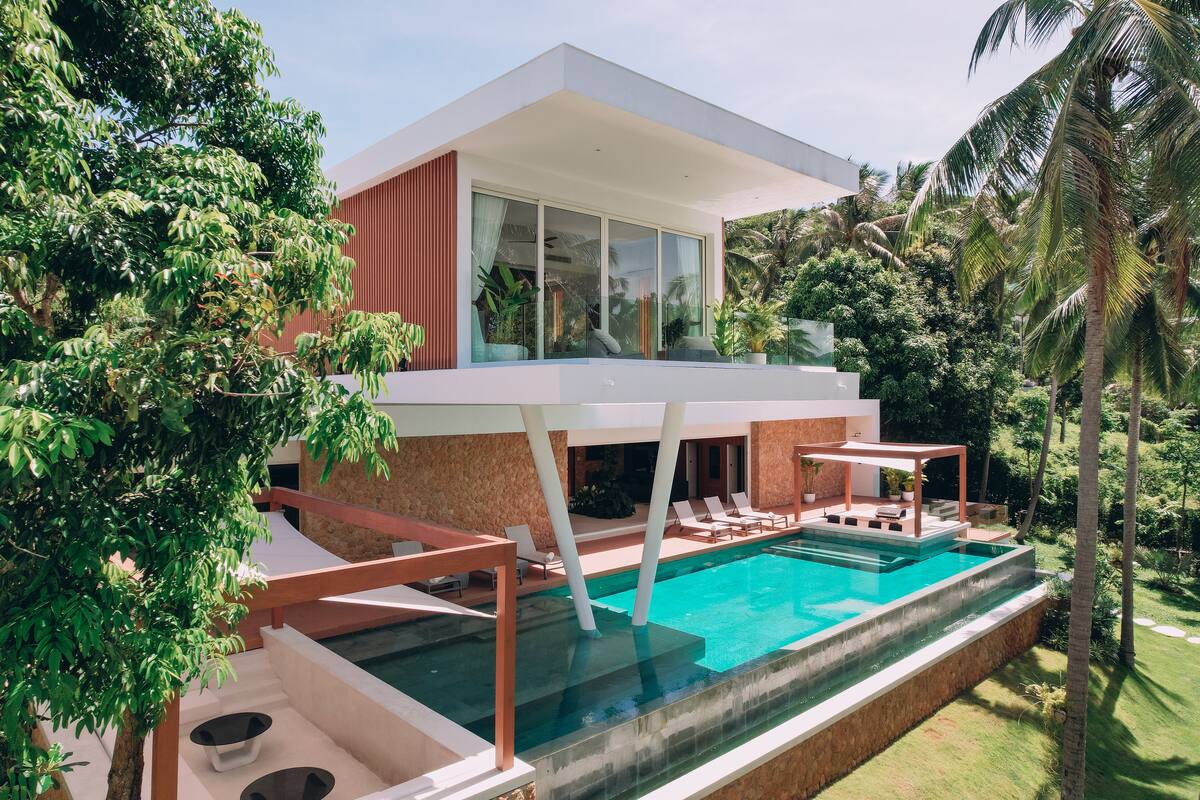
The last example is a different proposition: a private villa property on the tropical island of Ko Pha Ngan, in the Gulf of Thailand. The island has, for two decades, been associated with a single thing, the Full Moon Party, which has had the unfortunate effect of obscuring everything else the island offers. There are three Ko Pha Ngans. The party one. The yoga and wellness one. And a quieter third one that has been growing in the past five years, oriented around long-stay guests who want a tropical month without the resort experience.
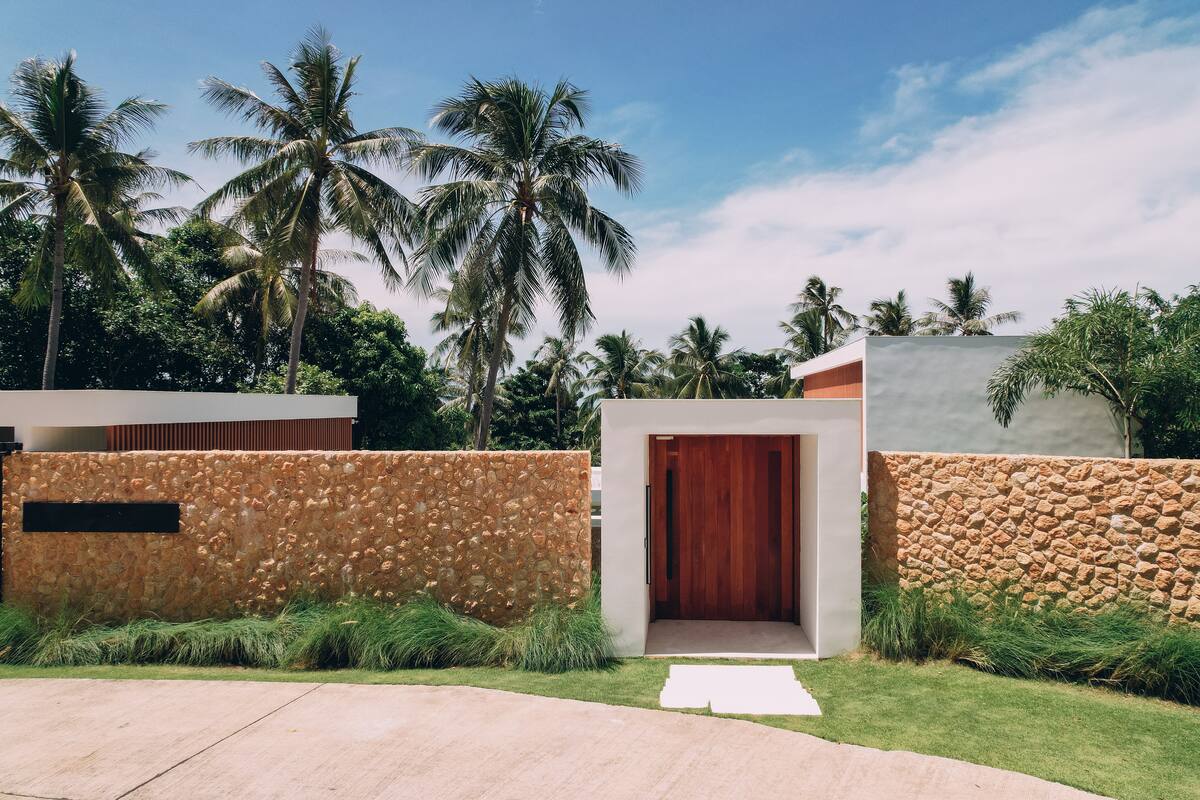
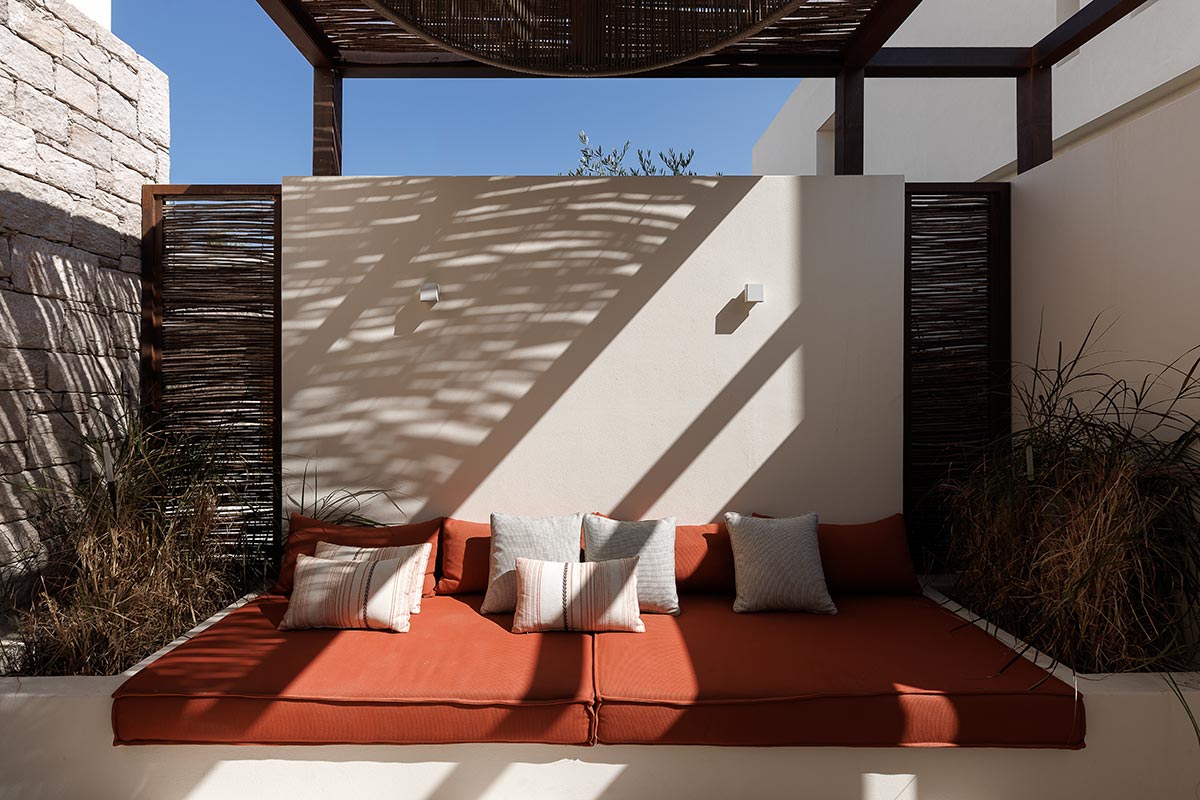
Anaia Villa sits inside the third category. The property is small, residential in scale, with direct beach access on a quiet east-coast bay where the morning is silent and the swimming is excellent. The food culture on this side of the island is Thai-vegetarian and slow, drawing from the established wellness community on the island without quite belonging to it.
The long-stay model here is minimum thirty nights, with significant rate reductions on monthly commitments. The guest profile is couples in their late thirties to fifties who treat the stay as a working sabbatical: writing, design, recovery, the kind of work that benefits from being done in a hammock by mid-afternoon. The on-site kitchen prepares meals on request. Laundry is included. There is no formal restaurant, which is correct for this kind of property: the village a short walk away has three or four good local kitchens and that is enough.
For travellers who want to spend a tropical month in Asia in 2026 and do not want a brand resort experience, Anaia is one of the few addresses that solves the problem coherently.
Why this is happening now
The trend has economic, demographic and cultural drivers running at the same time.
The economic driver is straightforward. A long stay even at a substantial discount delivers higher monthly revenue per occupied room than the average shoulder-season guest. The discount is offset by extended duration and by the reduction in turnover-related costs. Housekeeping intensity drops. Check-in friction drops. Marketing cost per occupied night drops to near zero. The property captures revenue it would otherwise have lost to vacancy.
The demographic driver is the maturation of a generation of professionals in their late thirties to early fifties for whom remote work is now structural, not temporary. This cohort has the income to afford a serviced monthly stay, the technical infrastructure to make it work, and the dawning realisation that ten years of always being in the same city is, for many, not the optimum way to live.
The cultural driver is harder to name but easy to feel. The fast-tempo, short-stay travel pattern of the 2010s, the one-week city break with checked luggage and Instagram-led itinerary, has lost some of its appeal. What has replaced it, for those who can afford it, is the slow stay. Same place, longer time, deeper texture. We believe, watching the booking patterns across the network, that this is one of the more durable shifts in the luxury travel market since the smartphone.
What can go wrong with long stays
A reasonable note of caution. The model fails when the guest and the property are mismatched on three specific points.
The first is bandwidth. A long-stay guest is, almost by definition, working from the room some of the time. A property that has glossy marketing but bandwidth that collapses at 09:00 GMT, when European video calls begin, will be a disastrous monthly stay. Our editors check this directly before recommending any long-stay property: a one-night test, with a video call from the room, is the only reliable verification.
The second is the desk. The room must have a real one. A small console with a stool is the wrong product. A coffee table next to a low sofa is the wrong product. A guest working five hours a day from a hotel room needs a surface large enough for a laptop, an external monitor if required, a notebook, and a coffee. A chair that is good for eight hours, not for ten minutes. Properties that have not understood this are not yet ready for the market they are trying to enter.
The third is the staff relationship. The same staff member greeting a guest every morning for thirty days requires a different professional register than the staff of a property where the same guest is seen for three nights and never again. The properties that do this well treat the long-stay guest as a quasi-member of the operation. The properties that handle it badly treat the long-stay guest as a complication.
How to choose the right property for a month
A simple rule. The right long-stay property is the one whose immediate surroundings remain interesting on day twenty-five. A beach is not enough. An infinity pool is not enough. A spa is not enough. What is needed is a context, a town, a piece of countryside, a city, with enough texture to absorb a month of slow exploration.
For a winter month in Europe, the choice is Villa La Madonna or, on a different aesthetic register, The Village by WPS. For a tropical winter month, Villa Mahabhirom in Chiang Mai or Anaia Villa on Ko Pha Ngan, depending on whether the priority is urban texture or pure beach. For something culturally singular, AS Boutique Residence in Havana, which delivers an experience that no other long-stay destination in the western hemisphere currently matches.
For a first long-stay experiment, two weeks is the right test period. Long enough to discover whether the model works for a given guest, short enough not to commit to a month if the property is wrong. The hotels in this article all accommodate this.
Frequently asked questions
| Is staying in a luxury hotel for a month cheaper than renting an apartment? | In most secondary markets, yes, once breakfast, weekly cleaning, laundry, utilities and the friction of furnishing a temporary rental are factored in. In central London, central Paris and central New York the math may favour the apartment. In Chiang Mai, Havana, Milos and the Italian countryside, the hotel typically wins on cost and always wins on convenience. |
| Which luxury hotels offer monthly rates in 2026? | Many more than five years ago. The properties in this article all do, with discounts typically ranging from forty to sixty per cent off the published nightly rate. Direct enquiry through the hotel or through Top World Hotel is the only reliable route. Standard online travel agencies rarely surface long-stay pricing. |
| Can I really work remotely from a luxury hotel for a month? | Yes, if the property has been adapted for it: a real desk, reliable enterprise-grade Wi-Fi, sound insulation, and a staff that understands the rhythm of a working guest. The properties featured here all qualify. Many properties marketed as luxury do not. Always verify before booking. |
| What is the best time of year for a long stay in Europe? | October through April for the southern European countryside (Piedmont, Tuscany, Sicily) and for the Greek islands outside the Cyclades peak. The light is good, the rates are at their lowest, the destinations operate at their most local pace. Avoid July and August: peak rates and minimum-stay rules often shift unfavourably. |
| Can I bring my family for a long stay? | Most of the properties in this article are oriented toward adult or couple travel. Villa La Madonna and Anaia Villa accommodate older children comfortably. Villa Mahabhirom and AS Boutique Residence are better suited to adults. For long stays with younger children, ask the property directly: long-stay logistics with families require a different conversation. |