Asia's New Luxury Map: Three Hotels Rewriting the Continent in 2026
Three properties in three Asian capitals point to where the continent’s luxury hospitality is going. A new Aman-family hotel in Tokyo. A restored colonial estate on the Chao Phraya in Bangkok. A sixteenth-century Rajput fort outside Jaipur, reimagined as one of the most ambitious heritage projects in India. Together they describe a different luxury map for 2026.
Asia’s luxury hotel scene has been busy for thirty years, but the last five have been particularly interesting. The growth of the regional luxury market (China, India, and Southeast Asia have all produced larger domestic luxury traveller bases since 2018), the maturation of Asian-specific hospitality groups (Aman, Six Senses, COMO, GHM, Capella, Banyan Tree), and the slow opening of restored historic properties across the continent have together changed what luxury hotels look like in Asia.
The argument here is that the most interesting properties of 2026 are not the largest. They are the ones that have rethought what a luxury hotel is supposed to do in a specific city or region. Three examples follow, in three different countries, each opened or significantly relaunched in the last few years. They are not the only interesting Asian properties of the moment, but they represent three distinct directions that the continent’s luxury hospitality is moving in.
The pattern these three hotels share is also worth naming up front. Each is small or relatively small by global luxury standards. Each is built into an existing physical place that has its own history. Each rejects the international-glass-tower formula that defined Asian luxury construction in the 2000s and early 2010s. And each is run by an operator who has earned credibility before opening the property.
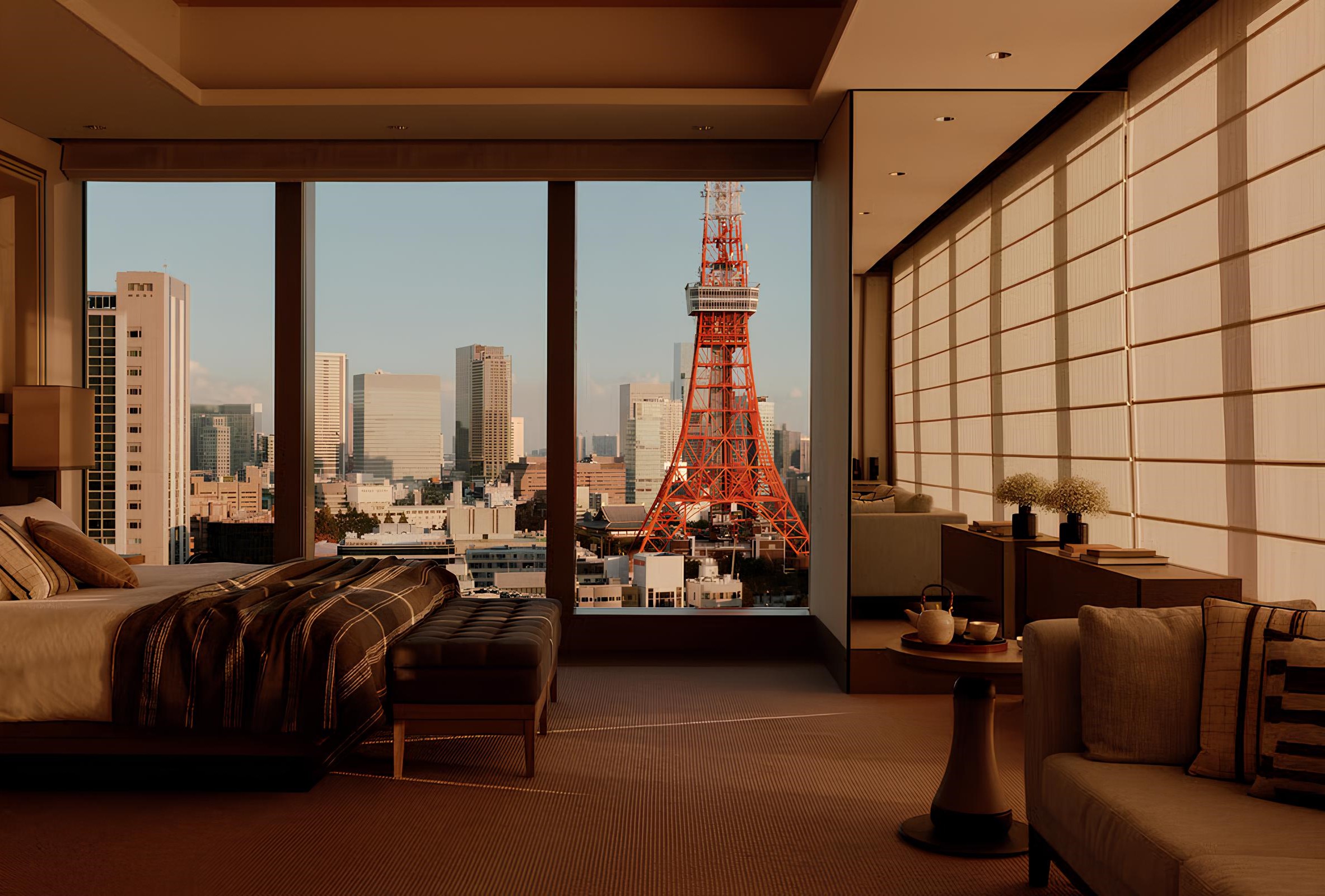
01Janu Tokyo: the urban sister to Aman, in a city that asked for it
Aman is the Asian luxury brand that has done the most over the last thirty years to define what “Asian-quiet luxury” means: small properties, minimal architecture, deep service, a horizon that is the natural or cultural landscape rather than the hotel itself. The brand opened in 1988 with Amanpuri in Phuket and has expanded to forty-plus properties globally, including the celebrated Aman Tokyo in the city’s Otemachi tower since 2014.
Janu Tokyo, opened in 2024 in the Toranomon-Azabudai district of central Tokyo, is the first property of Aman’s sister brand, Janu. The conceptual brief is interesting: Janu is positioned as a “more social, more active” companion to the Aman quiet, with larger room counts, a different architectural language, and a focus on wellness and food as the everyday programme of the stay rather than the silent retreat. Janu Tokyo is the test case for the entire brand direction.
The result, in execution, is one of the most discussed new properties of 2025. The building, designed by a Japanese-international team, sits in the Toranomon Hills complex. The lobby and public spaces are larger than the typical Aman, with a strong gallery and library presence. The wellness floor is one of the largest in central Tokyo, with thermal pools, a serious gym, sound-therapy rooms, and a Japanese-style onsen bathing space.
The dining at Janu is the surprise. Eight restaurants and bars across the property, with serious Italian (Janu Mediterranean), Japanese (the highly-rated Sushi Iigura), Cantonese, and an all-day brasserie. The bar programme (with a serious whisky list and a cocktail menu that uses Japanese seasonal ingredients) has become a fixture of the central Tokyo scene.
What Janu Tokyo represents for the continental luxury map is the emergence of a different urban Asian luxury hotel: larger, more sociable, more food-and-bar-centred than the quiet Aman template, but still operating at Aman-family service levels. The bet, in operator terms, is that the central Asian capitals have a luxury traveller in their thirties and forties who wants both the quality of an Aman and the energy of a serious city hotel. Janu Tokyo is the first answer.
At a glance - Location: Toranomon-Azabudai district, central Tokyo - Style: Contemporary urban luxury, larger and more social than Aman - Best for: Travellers who want Aman-family service in a city setting with serious food and wellness - Memorable detail: The thermal pool floor in the spa, designed in the Japanese onsen tradition with quiet bathing pools and contemporary stone interiors.
02The Siam, Bangkok: the colonial estate on the Chao Phraya
Bangkok in the last twenty years has built more luxury hotel rooms than possibly any other Asian capital. The Mandarin Oriental, the Peninsula, the Sukhothai, the four Aman properties in Thailand, and a long list of newer high-end developments have given the city one of the deepest luxury hotel bases in the world. The genre that has been quieter, and more interesting, is the small heritage hotel.
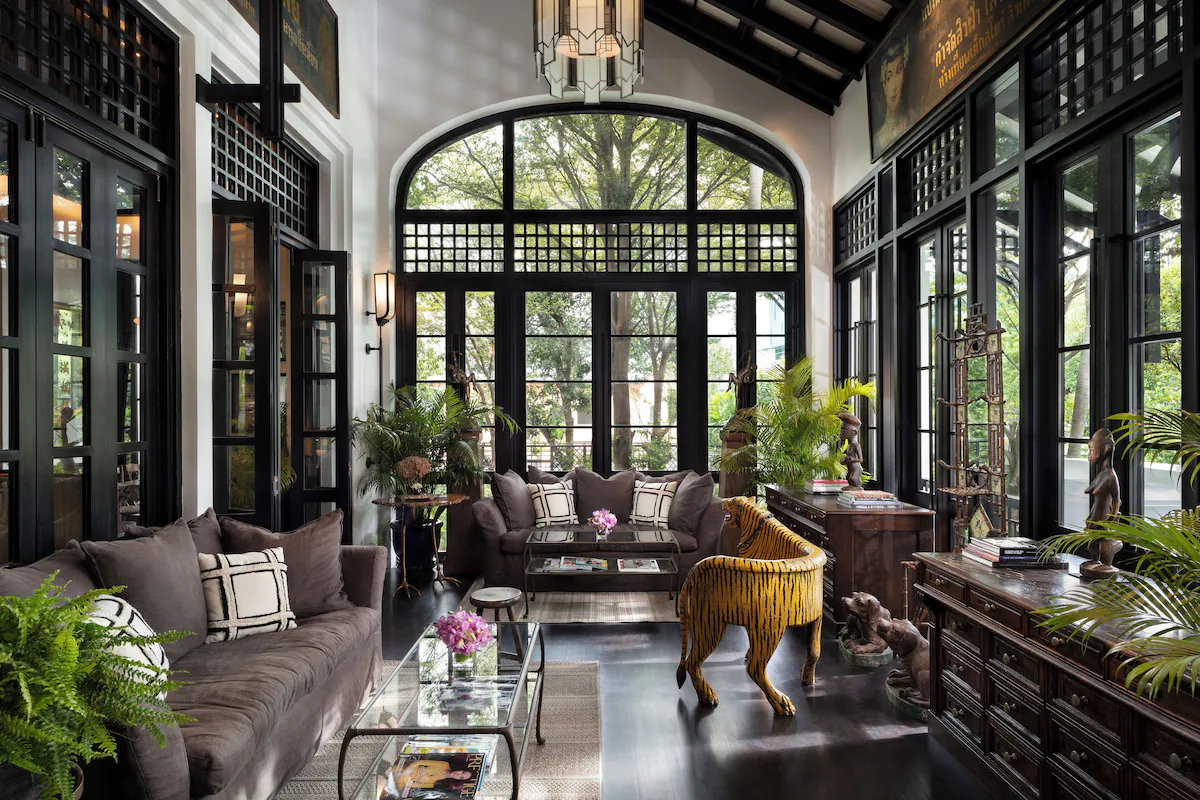
The Siam is the most ambitious recent example. Opened in 2012 by the Thai actor and musician Krissada Sukosol Clapp with his family, on a riverfront property on the Chao Phraya north of the central district, the hotel is built around the family’s serious collection of Thai antiques and art. The architecture is by Bill Bensley, the American designer who has shaped many of the most photographed Asian luxury hotels of the last twenty years.
What distinguishes The Siam from the larger Bangkok luxury hotels is its scale and its specificity. Thirty-nine pool villas and suites, organised around courtyards and gardens, with the Chao Phraya river running along the front of the property. Most rooms have their own private pool or terrace garden. The interiors mix early-twentieth-century Siamese and Chinoiserie furniture with contemporary art, all from the family’s collection.
The hotel functions as a small museum as much as a hotel. The lobby and corridors are lined with Thai antiques (carved teak furniture, lacquerware, early-twentieth-century photographs of Bangkok and the royal court). A specific room in the property, the “Connie’s Cottage”, is a fully restored nineteenth-century teak house relocated from the central plains of Thailand and rebuilt on the river. The hotel runs guided tours of the collection for guests on request.
The dining at The Siam works in two directions. Chon Thai Restaurant, in the lobby teak house, serves what is consensus one of the most precise Thai kitchens in central Bangkok, with a menu that draws on regional Thai cuisines (Issan, the south, the central plain) rather than the standardised Bangkok-tourist Thai menu. Café Cha, the all-day brasserie, runs a more international register but with strong Thai-fusion options at lunch.
The spa at The Siam is a small but serious operation, with a Muay Thai boxing programme that has become one of the property’s signatures. The boxing ring in the spa courtyard is fully functional; travellers from Bangkok and beyond come for daily one-on-one sessions with the resident trainers.
At a glance - Location: Riverfront, Chao Phraya, north of central Bangkok - Style: Heritage estate with a serious Thai art and antique collection, Bensley-designed - Best for: Travellers who want a small Bangkok hotel with deep Thai cultural programming and one of the best Thai kitchens in the city - Memorable detail: The Muay Thai ring in the spa courtyard, where daily training sessions are open to guests.
03Six Senses Fort Barwara, Rajasthan: the Rajput fort that became a hotel
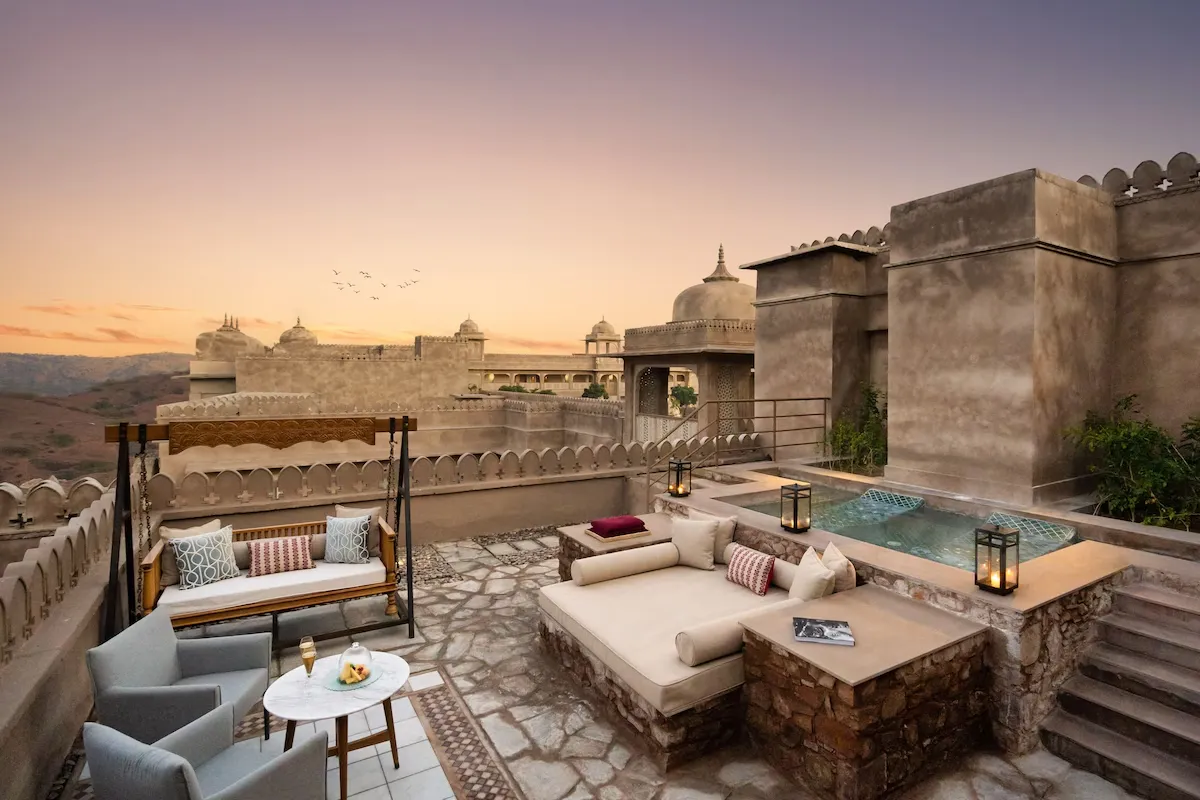
The most architecturally ambitious of the three is in India. Six Senses Fort Barwara sits in the small village of Chauth Ka Barwara, about three hours’ drive southeast of Jaipur, in the Sawai Madhopur district of Rajasthan. The property is housed in a sixteenth-century fort that belonged to the Banera royal family until the property was restored and reopened as a Six Senses hotel in late 2021.
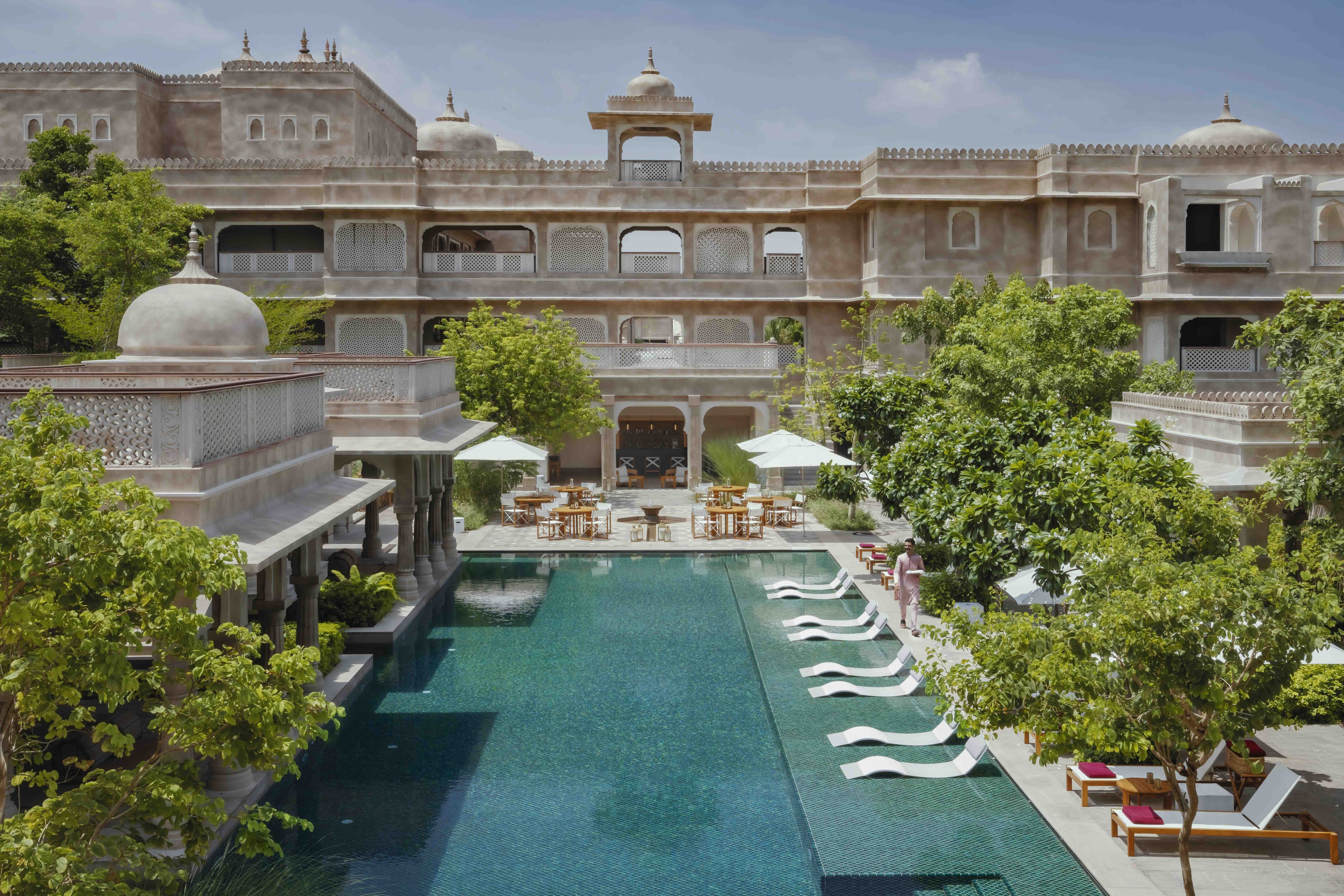
The fort is the point. The Barwara fort is one of the better-preserved medium-sized Rajput forts of central Rajasthan. The outer walls, the inner palace structure, the small baoli (stepwell), the historic temple, and the surrounding agricultural land have all been preserved. The Six Senses restoration, completed in coordination with the family and with Indian heritage authorities, used the existing rooms of the palace as the guest rooms, the historic durbar hall as the main public space, and the original temple as a still-functioning place of worship that is accessible to guests.
The result is one of the most coherent heritage-hotel projects in India in the last decade. Forty-eight rooms and suites across the various floors of the palace, with a contemporary intervention restricted to the spaces that the family agreed could be modernised (the spa, the public dining areas, the new pool in the courtyard). The materials are local Rajasthani stone, restored lime plaster, and hand-carved sandstone from the village’s traditional craftsmen.
The location is significant. Sawai Madhopur is the gate to Ranthambore National Park, one of the best Bengal-tiger-spotting locations in India. The park is about thirty minutes by car from the fort. The combined experience (the heritage hotel and the tiger safari) has made Fort Barwara one of the most-booked luxury experiences in north India for the 2025-2026 season.
The wellness programme at Six Senses Fort Barwara is built around traditional Indian Ayurvedic and Rajasthani healing modalities, with a resident Ayurvedic doctor and a treatment menu that includes the Abhyanga full-body oil massage, Shirodhara (the warm-oil-on-forehead therapy), and a multi-day Panchakarma detox programme. The Six Senses brand consistency is visible (the spa quality, the wellness scheduling, the dining standards), but the cultural specificity of the location dominates the experience.
The cuisine is the third strong element. The kitchen runs three restaurants: the main Cortyard, with a Rajasthani-international menu, Saffronesque, with North Indian fine dining, and an outdoor barbecue that is set up in the historic outer courtyard on most evenings. The wine and beverage list includes Indian wines (the Sula vineyards of Maharashtra and the Fratelli vineyards of Akluj are among the bottles that travel best with Indian cuisine) and a serious gin section that uses Indian botanicals.
At a glance - Location: Chauth Ka Barwara village, Sawai Madhopur district, Rajasthan - Style: Sixteenth-century Rajput fort restored as a Six Senses hotel - Best for: Travellers who want serious heritage architecture, traditional Indian wellness, and tiger safari access in a single trip - Memorable detail: The historic temple within the fort walls, still in active worship, accessible to guests in the morning hours.
What the three hotels share
Reading the three properties as a single set reveals a pattern that defines where Asian luxury hospitality is moving in 2026.
Specific place over generic luxury. None of the three could exist somewhere else. Janu Tokyo is built into the Toranomon-Azabudai cultural complex of central Tokyo. The Siam is built around the Sukosol family’s collection of Thai antiques and the Chao Phraya river. Six Senses Fort Barwara is built into a sixteenth-century Rajput fort with a still-active temple. The luxury value of each property is inseparable from the specificity of the place.
Heritage as a working frame, not as a decorative gesture. The Siam genuinely operates as a small museum. Six Senses Fort Barwara genuinely sits inside a working historic fort with an active temple. Janu Tokyo genuinely uses Japanese cultural reference frames (the onsen, the gallery culture, the Tokyo bar tradition) as the programme of the stay. None of these is theatre.
Cuisine and wellness as central, not as add-ons. All three properties treat the kitchen and the spa as defining elements of the guest experience, not as amenity boxes. Janu’s eight dining venues, The Siam’s Chon Thai, Six Senses’ three restaurants and full Ayurvedic programme: in each case, food and wellness are the everyday rhythm of the property, not optional features.
Service levels matched to local cultural codes. Janu Tokyo’s service feels Japanese. The Siam’s service feels Thai. Six Senses Fort Barwara’s service feels Indian. The international service standards are there, but the texture of the interaction (the bow at Janu, the wai greeting at The Siam, the namaste at Fort Barwara) is specific to the place. The continental luxury hospitality of 2026 has moved past the assumption that “Asian luxury” needs to look the same in every Asian capital.
How to combine them into a trip
A multi-country Asian trip across these three properties is logistically feasible and increasingly common for luxury travellers building a two-to-three-week Asia itinerary.
Suggested structure for fourteen nights: - Four nights at Janu Tokyo (urban Asian luxury, food and wellness) - One travel day to Bangkok (direct flight Tokyo–Bangkok, about seven hours) - Three nights at The Siam (heritage city, Thai cultural programming) - One travel day to Jaipur (Bangkok–Jaipur via Delhi, about six hours) - Three nights at Six Senses Fort Barwara, with two days of Ranthambore safari from the property - Two nights extension somewhere (Jaipur city, Udaipur, or a return night in Delhi before flying home)
For travellers with three weeks, the structure can be extended with additional stops in Kyoto (after Tokyo), Chiang Mai (after Bangkok), or Udaipur (after Fort Barwara).
When to go
October through March is the strongest window for the combined trip. Tokyo is at its loveliest in late October to early December (autumn colours) and in March-April (cherry blossom). Bangkok is most comfortable from November through February (the cool, dry season). Rajasthan is best from October through March (the hot summer makes the desert and the fort uncomfortable from April onward).
A specific recommendation for the combined trip: late January through early March, which gives Tokyo’s plum-blossom and early cherry-blossom season, the coolest Bangkok months, and one of the best windows for Ranthambore tiger spotting (the dry season makes wildlife more concentrated around the limited water sources).
Avoid the combined trip in the European summer months (June-August). Tokyo’s heat and humidity become significant. Bangkok’s monsoon season can disrupt programmes. Rajasthan is at its hottest and is not the recommended visit window.
Frequently asked questions
| What are the most interesting new luxury hotels in Asia for 2026? | The three properties in this article (Janu Tokyo, The Siam in Bangkok, Six Senses Fort Barwara in Rajasthan) represent three of the most discussed Asian luxury hotels of the current moment. Each is small, heritage-aware, and built around a specific physical place. |
| Is Janu Tokyo better than Aman Tokyo? | Different. Aman Tokyo is the quieter, more contemplative property, with smaller room counts and a more retreat-style atmosphere in the Otemachi tower. Janu Tokyo is the larger, more sociable property, with serious food and bar programming. The choice depends on the trip’s intent: quiet retreat or active urban week. |
| How long should a stay at The Siam be? | A minimum of three nights to allow time for the cultural programming, the Muay Thai sessions, and dining in both restaurants. Five nights work well as a Bangkok base for a longer Thai itinerary that includes day or overnight trips to Ayutthaya or to the central rice plains. |
| Is Six Senses Fort Barwara good for first-time India visitors? | Yes, with caveats. The property is one of the strongest introductions to heritage Rajasthan currently bookable, and the wellness programme is excellent. First-time visitors should still plan two to three nights minimum in Jaipur or Delhi before or after Fort Barwara for context. |
| How is Asian luxury hospitality changing in 2026? | Three structural shifts. First, the move away from international-glass-tower architecture toward properties built into specific local places. Second, the rise of heritage hotels in restored forts, palaces and historic estates. Third, the integration of serious food and wellness programmes as the everyday content of the stay rather than as optional amenities. |
| What is the best time of year to visit these three Asian capitals? | October through March for all three. The combined trip works best in late January through early March, which gives Tokyo’s late-winter and early-spring season, the coolest Bangkok months, and the best Rajasthan visiting window. |