Your First South African Safari: The Questions Everyone Asks
A first safari carries more anxiety than it should. The questions below are the ones that fill inboxes and forums before every trip, answered plainly, with the trade-offs left in rather than smoothed over.
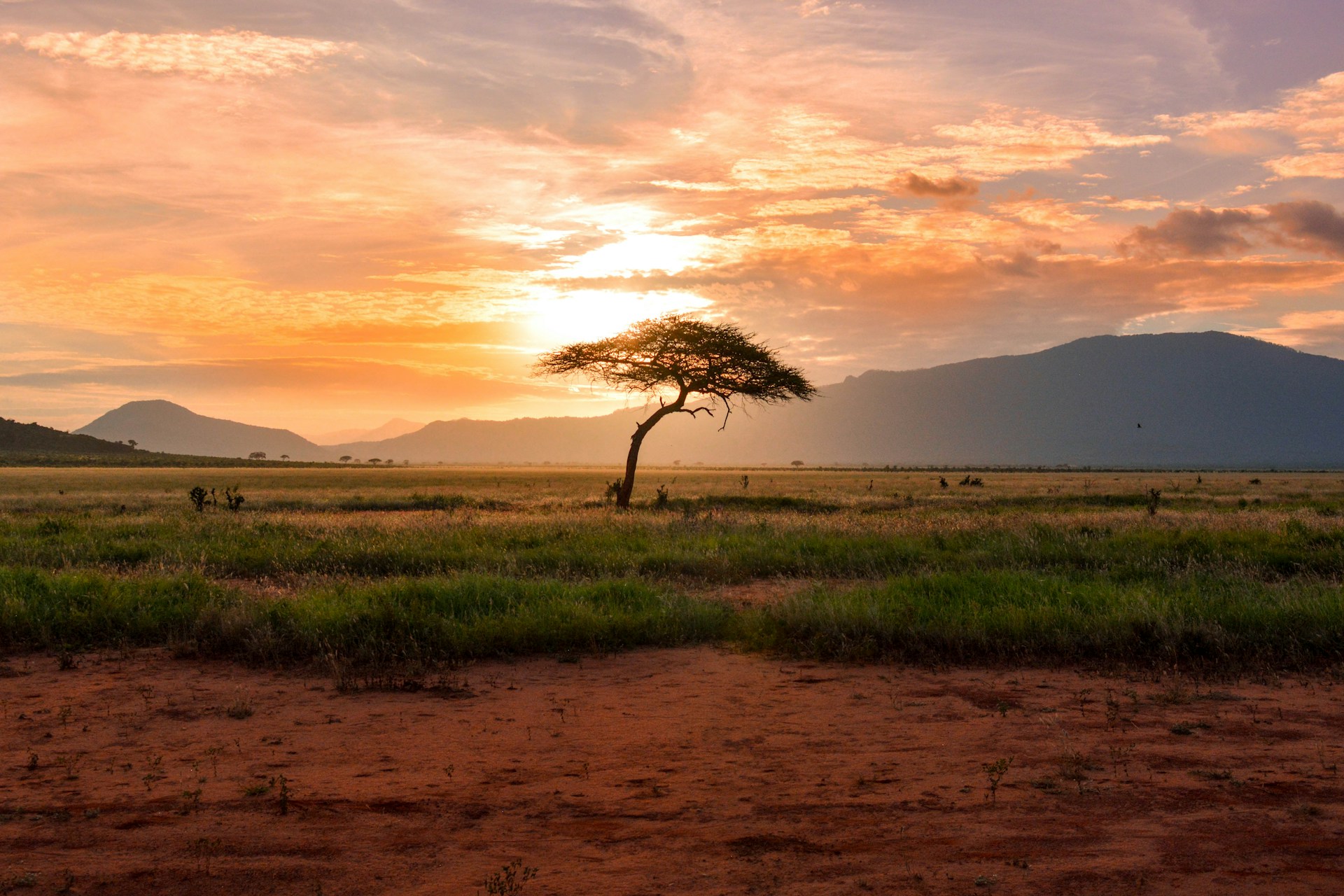
South Africa is one of the gentlest places in the world to try a safari for the first time. The infrastructure is good, the drive from a major airport to a reserve is often short, English is spoken everywhere, and the country offers something most safari destinations cannot: large tracts of big-game land that are entirely free of malaria. That combination removes most of the friction that makes a first-timer hesitate. What follows is a set of real questions, arranged in roughly the order they tend to arrive.
When is the best time to go?
The short answer is the dry winter, from around May to September. During these months the bush thins out, the grass dies back, and animals gather at the shrinking waterholes, which makes them far easier to find. Mornings are cold, sometimes close to freezing on an open vehicle before sunrise, but the days are clear and mild and the light is superb. This is the window most experienced travelers choose, and it is worth the early chill.
The green season, from November to March, is the opposite proposition and should not be dismissed. The bush turns lush, the light softens, migrant birds arrive, and this is when animals give birth, so the plains fill with young. The cost is visibility: thick foliage hides game, and afternoon storms are common. It suits a second safari more than a first, and it rewards travelers who care as much about landscape and birdlife as about ticking off big animals. For a first trip built around seeing as much as possible, the dry winter remains the safer bet.
Which part of South Africa should a first safari be in?
Two broad choices cover most first-timers. The first is the Greater Kruger, the vast belt of national park and adjoining private reserves in the northeast. It holds the densest concentration of big game in the country and is the classic answer, reached easily from Johannesburg. The second choice, and an underrated one, is a malaria-free reserve in the drier interior, which trades a little game density for peace of mind and, often, a stronger sense of open space.
The Northern Cape and the Waterberg belong to that second group. A reserve such as Maloba Private Game Reserve, set on twenty thousand hectares near Kimberley, offers wide golden plains and a stillness that the busier northeast cannot match, with no malaria risk to plan around. Further north, in the Waterberg mountains, Marataba Safari Lodge occupies a private concession inside a national park, dramatic country with big skies and few other vehicles. Either makes an excellent, low-stress first reserve.
The best first safari is not the one with the most animals. It is the one that removes the most worry.
How many days do I need?
Three nights is the practical minimum, and four is better. A safari day is built around two game drives, one at dawn and one in late afternoon, when animals are active. That gives six drives across three nights, which is usually enough to see a great deal and to absorb the rhythm of the bush. Anything shorter risks a single unlucky day skewing the whole trip.
Two nights can work if time is tight, but it leaves no margin. Beyond four nights, the returns keep coming for anyone who has fallen for it, though some first-timers find that the intensity of very early mornings and long drives asks for a change of pace after four or five days. A common and sensible shape is three or four nights in the bush followed by a few nights somewhere restful, a city or a stretch of coast, rather than a week of drives without a break.
Will I see the Big Five?
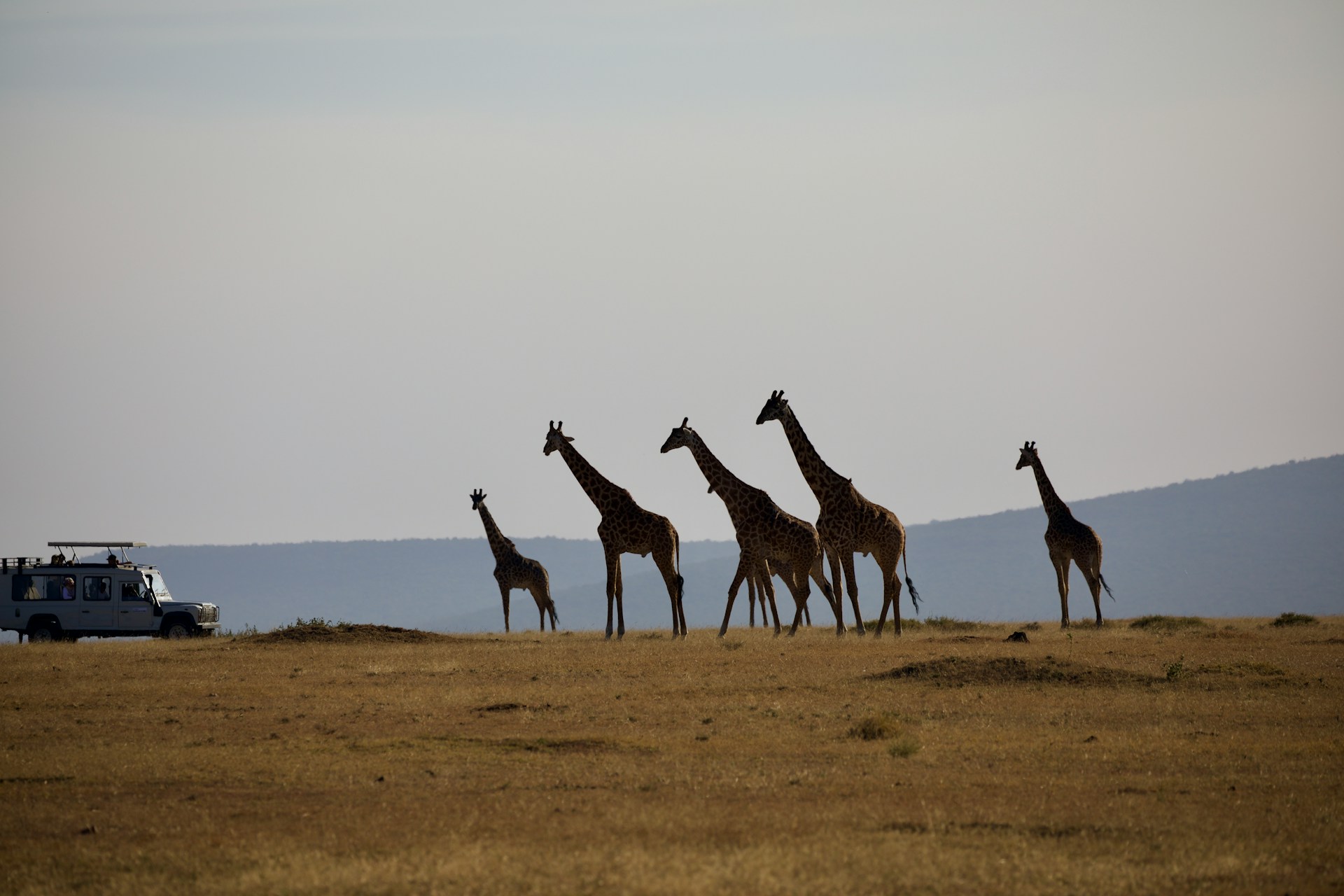
Probably, though honesty matters here. The Big Five are lion, leopard, elephant, buffalo and rhino, a term inherited from hunting that has stuck as a checklist. At a well-run private reserve, over three days of drives with a good guide and tracker, the odds of seeing most of them are high. Elephant and buffalo are usually straightforward. Lion are common at many reserves. Leopard are the hardest, being solitary and shy, and a sighting often depends on luck as much as skill.
Rhino are a more complicated subject. Numbers have fallen sharply because of poaching, and many reserves now dehorn animals or stay deliberately vague about their locations to protect them. A first-timer should treat the Big Five as a fun frame rather than a promise, and resist measuring the trip by it. Some of the most memorable sightings involve none of the five: a cheetah on a kill, wild dogs on the move, a herd of elephant crossing at dusk. A guide who is pressured to deliver a checklist tends to give a worse safari than one left to follow what the day offers.
Is malaria a risk?
It depends entirely on where the safari goes. The far northeast, including the Kruger and its private reserves, sits in a low-risk malaria zone, and the risk there is genuinely low in the dry winter months but not zero. Antimalarial tablets are commonly recommended for that region, and a doctor or travel clinic should advise based on the exact dates and destination.
The reassuring part is that a large share of South Africa's best game country is completely malaria-free. The Northern Cape, the Waterberg, the Eastern Cape and much of the interior carry no malaria risk at all, which is precisely why they suit nervous first-timers, families with young children, and anyone who would rather not take tablets. Choosing a malaria-free reserve removes the question altogether, and the game viewing at the good ones is more than enough for a first trip.
Self-drive or guided lodge?
Both are valid, and they produce very different holidays. Self-driving the Kruger National Park on tar and gravel roads is one of the great affordable adventures in Africa. It is cheap, flexible and quietly thrilling, and rest camps offer simple accommodation inside the park. The trade-off is that vehicles must stay on roads and off-limits after dark, sightings depend on chance and on other drivers' tip-offs, and there is no expert reading the bush.
A private lodge is the opposite. It is far more expensive, but the rate usually includes everything: two guided drives a day in an open vehicle with a trained guide and tracker, the freedom to go off-road toward a sighting, night drives, meals and often drinks. The guiding is where the value lives, turning a landscape of grass and trees into a story that can be read. For a first safari, most travelers who can stretch to it find the guided lodge worth the difference, and self-drive an excellent way to return later.
What does it cost?
The range is enormous, which is part of what makes South Africa so approachable. A self-drive trip through the Kruger, staying in national park rest camps and cooking or eating simply, can be done for very little beyond flights, park fees and a hire car. This is one of the most affordable ways to see big game anywhere on the continent.
Private lodges are a different order of spending. They are typically priced per person per night, all-inclusive, and that figure climbs steeply with exclusivity and remoteness. A mid-range private reserve costs a fair amount per night; the most celebrated lodges cost several times more. The useful insight for a first-timer is that the jump in animal sightings between a good mid-range reserve and the most expensive one is small, while the jump in price is large. A well-chosen reserve at a sensible rate delivers most of the experience for a fraction of the top-end cost.
What should I pack?
Less than most people think, and in the right colours. The single most useful rule is to dress in neutral tones, khaki, olive, brown and beige, and to avoid bright colours, white, and dark blue and black, which can attract insects in the northeast. Layers matter more than anything because a winter game drive spans near-freezing at dawn and pleasant warmth by mid-morning.
- A warm layer and a windproof jacket for the dawn drive, however unlikely the cold seems on arrival.
- Neutral, breathable clothing for the day, long sleeves and trousers helping against sun and, in malaria areas, mosquitoes at dusk.
- A wide-brimmed hat, sunglasses and high-factor sunscreen, since shade is scarce on an open vehicle.
- Binoculars, one pair per person if possible, which change the experience more than any other single item.
- A soft-sided bag, because light aircraft to remote lodges often refuse hard suitcases.
Can I combine safari with a city or the coast?
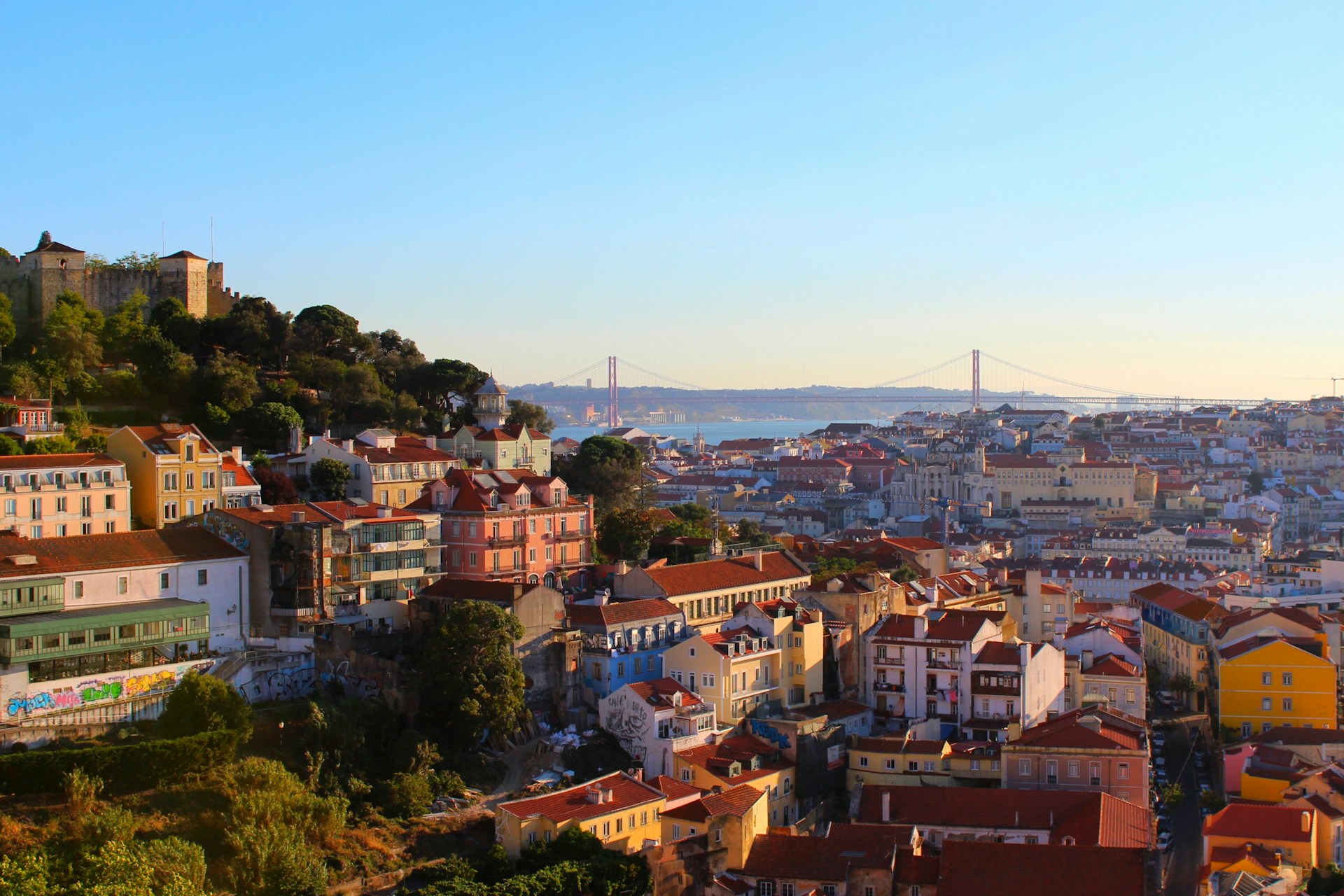
Not only can it be combined, it usually should be. South Africa's real advantage over a pure safari destination is that a reserve slots easily into a wider trip, and the contrast makes both halves better. Most safaris begin or end in Johannesburg or Cape Town, so a night or two in a city at either end costs almost nothing in extra travel.
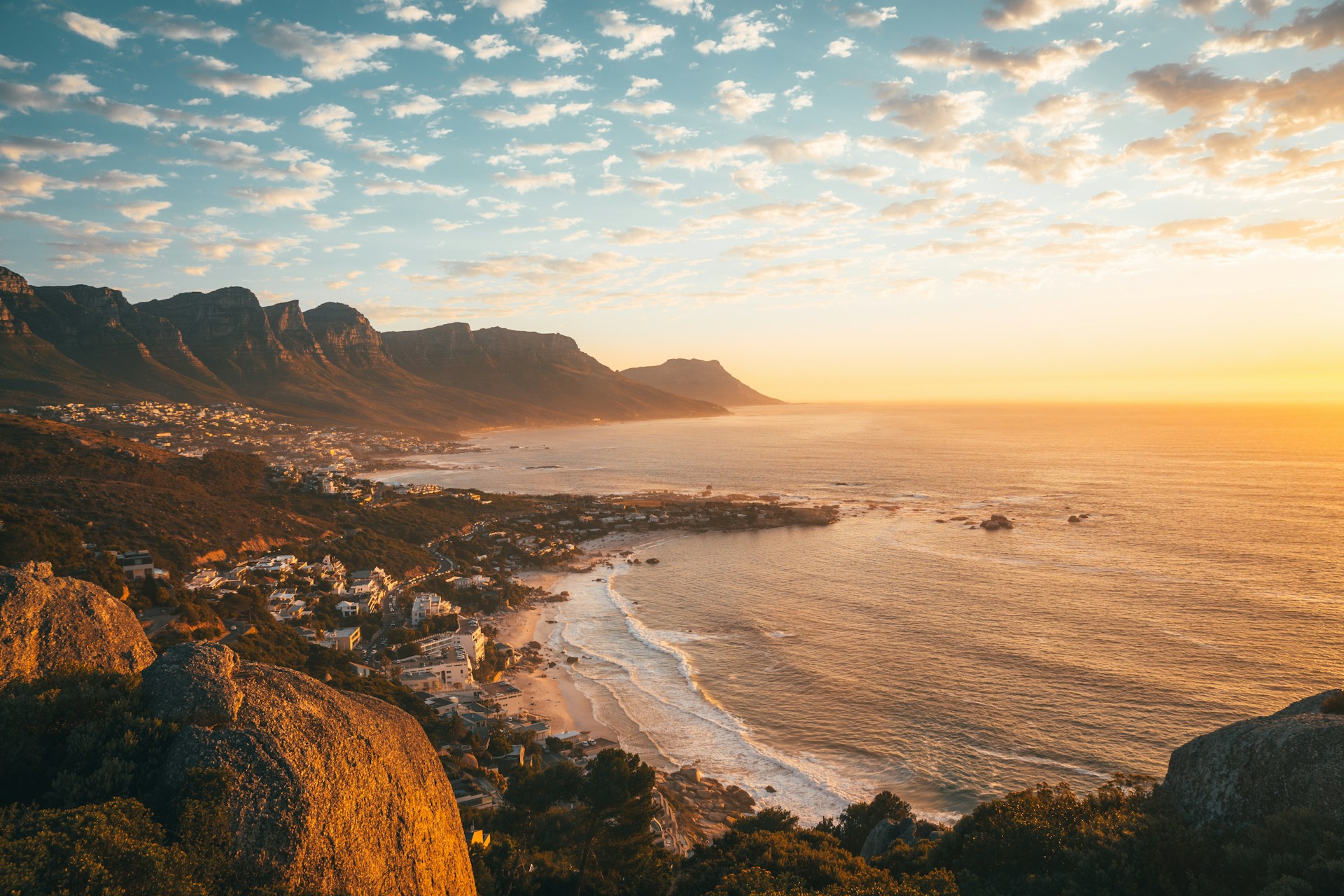
In Johannesburg, a garden retreat such as The Peech Hotel makes a calm first or last night near the airport before heading to the bush. Cape Town deserves several days in its own right, and a stylish base such as Gorgeous George puts the city, the mountain and the winelands within reach. For a coastal finish, the whale coast at Hermanus is a natural extension, where The Marine Hermanus looks out over a bay where southern right whales gather between roughly June and November. Bush, then city, then sea, is close to the ideal shape for a first South African trip.
Frequently asked questions
| Question | Answer |
|---|---|
| How long is the flight to South Africa? | From Western Europe I should expect roughly ten to eleven hours direct to Johannesburg or Cape Town, and there is very little time difference, only an hour or two, so jet lag is mild. The overnight flight lands in the morning, which fits neatly with a first city night before heading to a reserve. |
| What currency is used and can I pay by card? | The currency is the South African rand. Cards are accepted almost everywhere, including lodges and restaurants, and I would only need cash for tips, markets and small rural purchases. It is worth carrying some rand for gratuities, since guides and trackers are usually tipped in cash. |
| How much should I tip a guide and tracker? | Tipping is customary at private lodges. A common guideline is a set amount per guest per day for the guide and a smaller amount for the tracker, plus a general tip for the wider lodge staff at the end of the stay. The lodge can advise on local norms, and there is no obligation beyond what feels fair for the service. |
| Is self-driving safe for a first visit? | Self-driving inside a national park like the Kruger is straightforward and safe, with good roads and clear rules. On the open road I should drive as I would anywhere unfamiliar, keeping valuables out of sight and avoiding remote roads after dark. Many first-timers are perfectly comfortable self-driving; others prefer transfers and let the lodge handle logistics. |
| Can I bring young children on safari? | Yes, and a malaria-free reserve makes it far simpler. Some lodges set a minimum age for game drives for safety reasons, so it is worth checking before booking, and family-friendly reserves often run shorter drives and activities suited to children. The absence of malaria in much of the country removes the biggest concern for families. |
| Do I need any vaccinations? | No vaccinations are formally required for most travelers arriving directly from Europe or North America, though a yellow fever certificate can be requested if I arrive via certain other African countries. A travel clinic should confirm routine vaccinations are up to date and advise on antimalarials if the trip includes the northeast. |
| Will there be phone signal and internet at the lodge? | Most lodges have wifi in the main areas and often in the rooms, though the connection can be slow and mobile signal patchy in remote reserves. Many travelers treat this as a feature rather than a flaw, and a few days offline in the bush is part of what makes the trip feel like a proper escape. |
A first safari asks for less preparation than the anxiety suggests. Choose a season, choose a reserve that matches the tolerance for malaria and cost, keep the itinerary short enough to enjoy, and let the guide do the rest. The bush tends to give more than any checklist could have promised.