Three Hotels in Istanbul: The Quiet Design Wave Reshaping Two Continents
A close look at three restored boutique hotels in Istanbul (Orient Occident and Orientbank in historic Sirkeci, The Bank Hotel in contemporary Karaköy) and the broader story of a city teaching its older buildings to do new things.
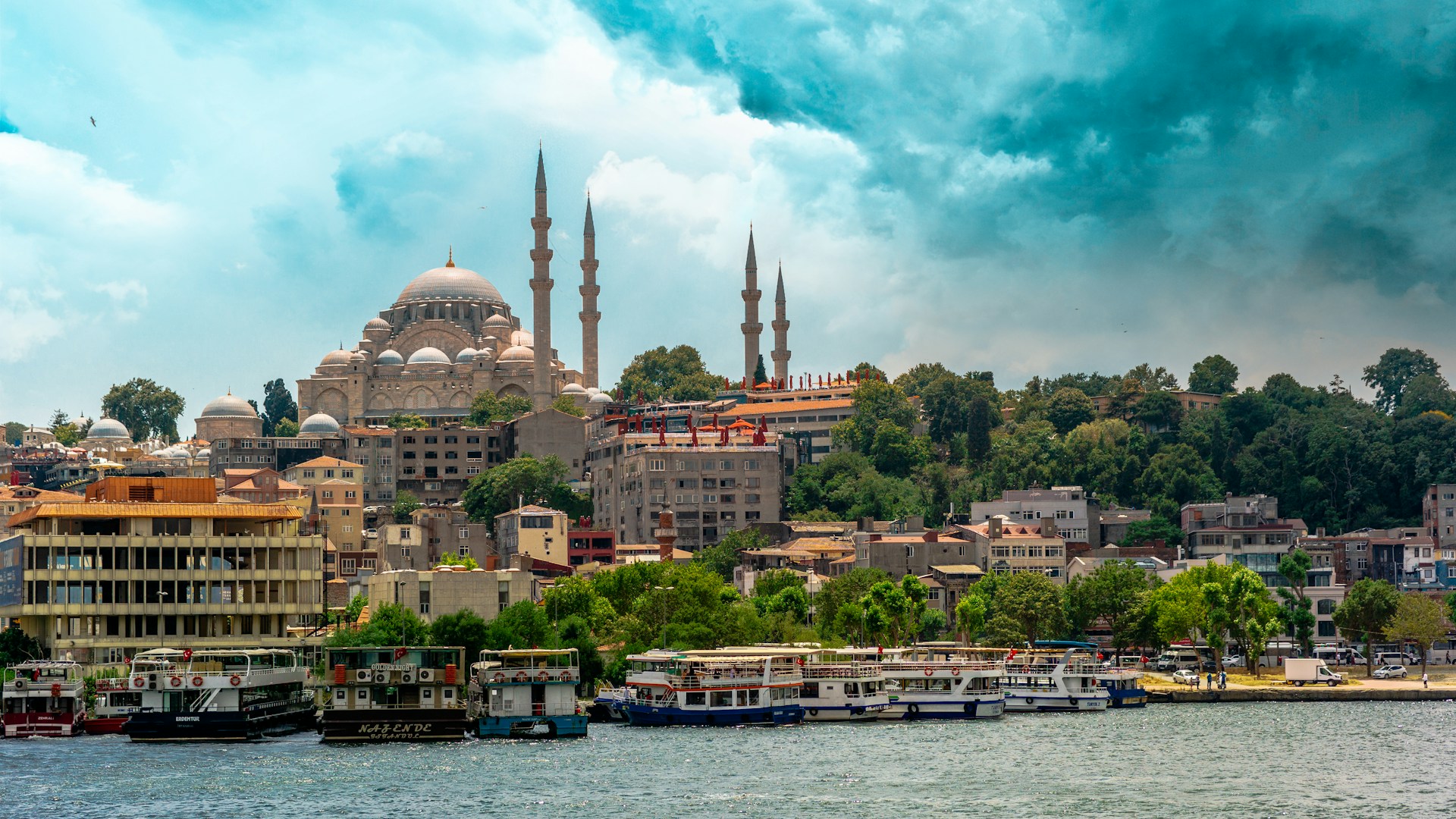
There is a rhythm Istanbul has learned to do better than almost any other historic capital in the world. It builds, it lets the building age, it strips it back, it rebuilds inside the same shell. The mosques have been doing this for five centuries. The bazaars have been doing it since before the Ottomans. What is more recent, and what is making Istanbul one of the most interesting hotel destinations in Europe in 2026, is that the city’s hospitality buildings have started to do it too.
The story is quieter than the one being written in Lisbon, or Athens, or Marrakech. Istanbul has not had a single moment of design hotel revelation. Instead, over the past five years, a small set of restored buildings have opened, each one applying the same rough principle. Take a piece of architectural inheritance, a Belle Époque façade, a 1920s commercial banking hall, a 19th-century neoclassical bank, and transform the inside without erasing the outside. The results are some of the most contemporary boutique hotels Istanbul has ever produced, hidden behind façades that the city has known for a century.
This article is about three of them. They sit in two of the most interesting neighbourhoods of Istanbul today. Sirkeci, on the historic peninsula, where the Ottoman state apparatus and the European financial quarter converged for two hundred years. And Karaköy, on the other side of the Golden Horn, the post-industrial waterfront that has quietly become the city’s strongest design district. They share more than a city. They share an attitude. Together, they form a credible answer to the question that travellers planning Istanbul keep asking: given everything Istanbul is, where should I actually stay?
Why Istanbul, why now
For a long stretch of the 2010s, Istanbul fell out of the conversation that travellers have about luxury European destinations. The reasons were partly geopolitical, partly economic, partly perceptual. Travellers who had been three or four times stopped going. Travellers who had not yet been deferred their first visit indefinitely.
That has changed. Three things changed it.
The city itself stayed exactly as remarkable as it always was. Hagia Sophia, the Blue Mosque, the Topkapi Palace, the Grand Bazaar, the Spice Bazaar, the Bosphorus. None of these went anywhere. Travellers returning in 2024, 2025 and now 2026 are usually surprised to find the historic peninsula even more accessible than they remembered, with infrastructure improvements (the Sirkeci-Marmaray rail tunnel under the Bosphorus is one example) that have quietly made the city easier to navigate.
The food became one of the most exciting in Europe. The conversation that used to begin and end at kebabs has been overtaken, decisively, by a generation of Turkish chefs working in a contemporary Anatolian register. Local produce, fermentation, a level of technique that puts the better Istanbul restaurants in direct conversation with the better restaurants of Copenhagen, Lyon and San Sebastián. The shift has been quick and is, for visiting travellers, one of the single most underrated reasons to plan a stay.
The boutique hotel scene caught up with the rest of the city. For decades, the choice in Istanbul ran between high-end international chains in modern towers (often outside the historic core) and small family-run pensions in the Old City. There was very little in between. The three hotels in this article fill that gap.
This is, broadly, the right moment to come back. Or to come for the first time.
Sirkeci and Karaköy: two neighbourhoods, two answers
Before the hotels, the neighbourhoods.
Sirkeci sits on the historic peninsula, between the Topkapi Palace, Hagia Sophia and the western shore of the Golden Horn. It is the entrance to the Old City for travellers arriving by Marmaray rail from the European side, and the natural starting point for the historic monuments. Sirkeci was, for the late Ottoman period and the early Republic, the European-facing financial district. Banks, commercial offices, hotels for foreign travellers stepping off the Orient Express. Many of those buildings still stand. Some are now boutique hotels.
Karaköy sits across the Golden Horn from the historic peninsula, at the foot of Galata. It was, for two centuries, the working port and warehouse district. From roughly 2010, it became the city’s strongest design and gallery district, the best contemporary food cluster after a brief transition, and now (in 2026) one of the most interesting urban quarters anywhere in Europe to walk around in for a day. The shift is visible in every block. Old commercial banks have become hotels. Old warehouses have become galleries. Old shipping offices have become design studios.
A first-time visitor to Istanbul typically wants Sirkeci. A returning visitor, especially one interested in design and food, typically prefers Karaköy. The three hotels in this article let you choose either, or both.
Orient Occident Hotel Istanbul: Sirkeci, Belle Époque and a contemporary calm
Orient Occident sits in Sirkeci, on the historic peninsula, in a Belle Époque building that has been carefully restored to balance its 19th-century atmosphere with a more contemporary sense of comfort. The location is one of the most strategic in Istanbul: a short walk from Hagia Sophia and the Blue Mosque, three hundred metres from Sirkeci station and the Marmaray line that crosses under the Bosphorus to the Asian side, and within easy reach of the Spice Bazaar and the ferry quays for a day cruise on the strait.
The atmosphere of the hotel reflects the building’s original purpose. The lobby is high-ceilinged and softly lit. The corridors are quiet. The rooms (refurbished in a contemporary vocabulary that does not try to imitate period) are organised around natural materials, warm tonal palettes, and a level of sound insulation that is unusually rare in restored Old City buildings.
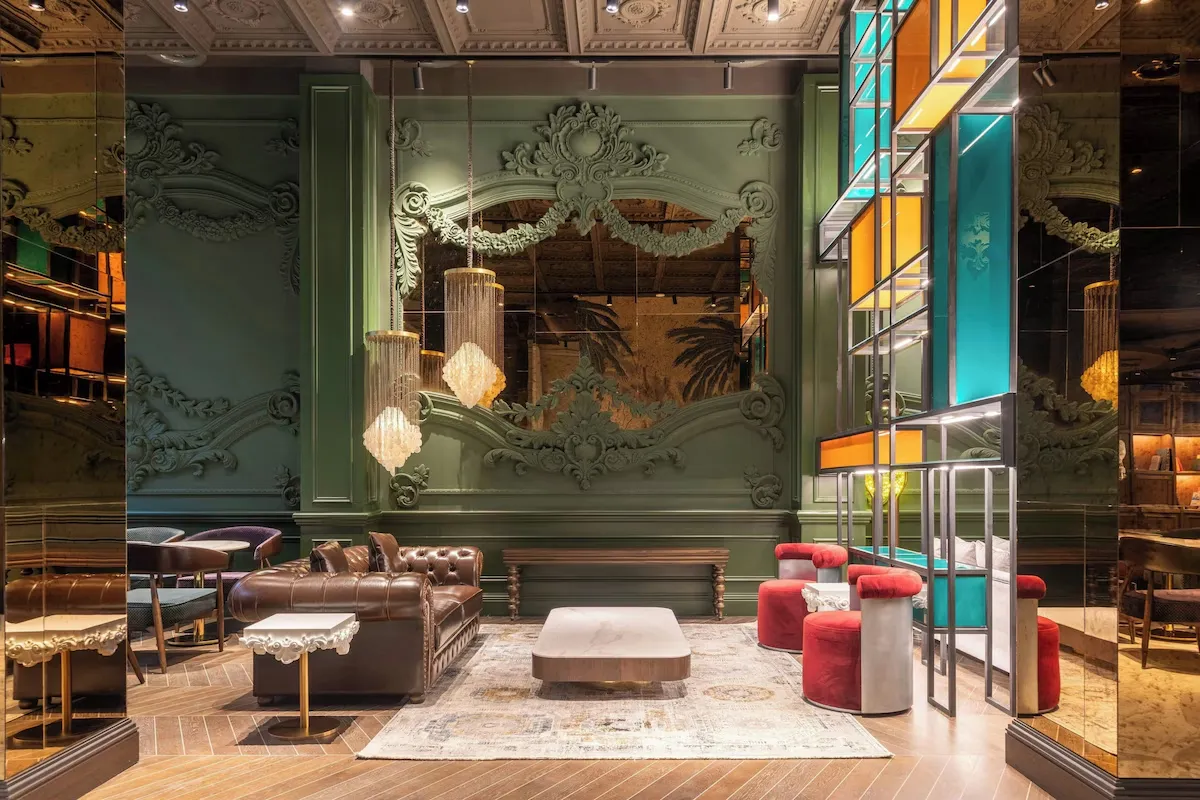
Two details set Orient Occident apart from the conventional Sirkeci hotel. The first is the personalised pillow menu, a small but telling commitment to the proposition that this is a hotel that thinks like a residence. The second is the dedicated spa programme, with a hammam tradition translated into the property’s architectural language. For travellers planning long days walking the historic peninsula, the spa at the end of the day becomes, after the second night, the structural reason you stay here rather than at a generic Old City alternative.
The dining room runs a contemporary menu with strong Turkish anchoring. Fresh-caught fish from the Marmara, mezze treated with technical seriousness rather than as decoration, and a wine programme that pulls thoughtfully from Anatolian producers as well as the more familiar European list.
Orient Occident is the right choice for a traveller arriving in Istanbul for the first time, who wants the major monuments at walking distance and a calm, design-aware base in which to spend evenings.
At a glance: - Neighbourhood: Sirkeci, historic peninsula - Style: Belle Époque restoration, contemporary calm, spa-led - Price range: From around €269 per night - Best for: First-time Istanbul visitors who want monuments at walking distance - Memorable detail: The pillow menu, and the silence of the corridors at midnight.
Orientbank Hotel Istanbul: jazz, butlers, and a Sirkeci you have not seen
A few hundred metres from Orient Occident, also in Sirkeci, also on the historic peninsula, sits Orientbank Hotel Istanbul. A property with a different character entirely. The building is historic, but the hotel itself reads more 1920s than 19th century, with a heritage atmosphere that draws on jazz-age design references rather than Belle Époque ones.
The first thing visitors notice is the soundscape. The lobby is, by intention, soft live jazz in the evenings. The bar (as polished as any of the better cocktail rooms in Istanbul today) runs a programme that crosses Turkish raki cocktails with classic 1920s recipes. The light is low. The materials are textured. The interior designer has been patient about pattern, allowing 1920s motifs to surface without overwhelming the rooms.
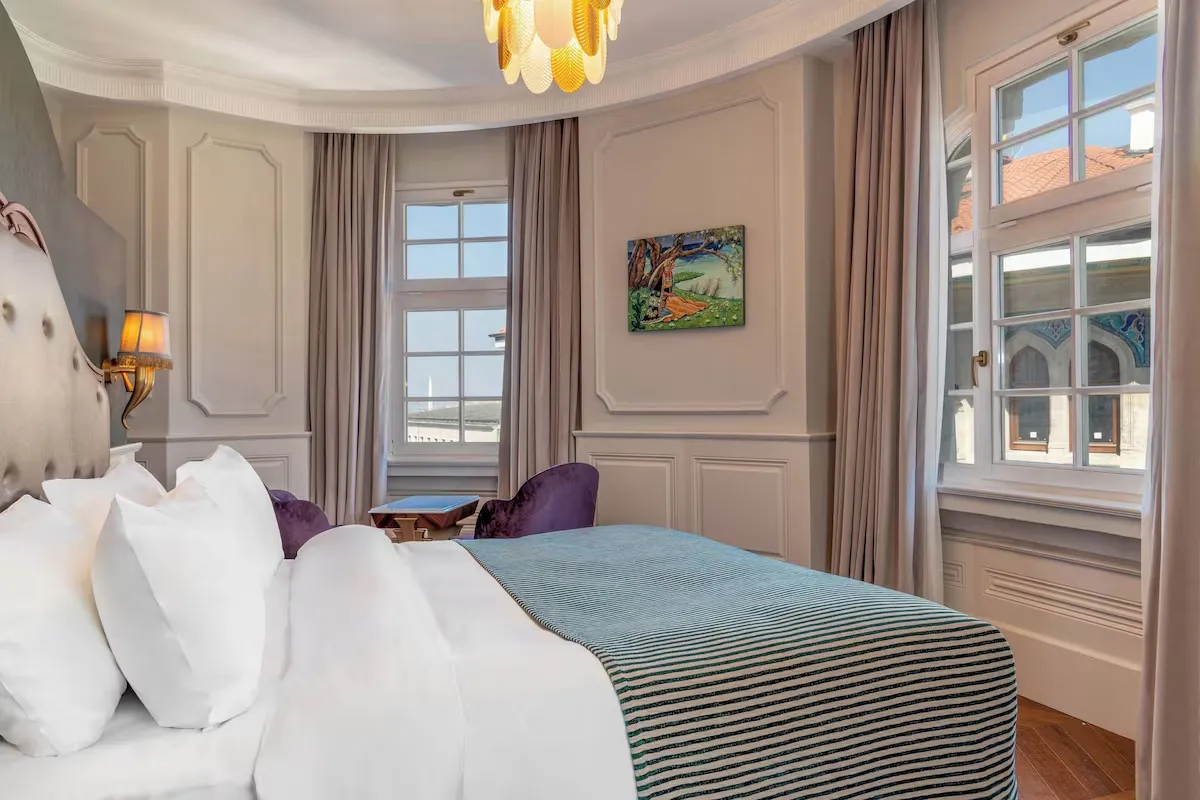
The room category that distinguishes Orientbank is the butler-served suite. A returning butler service of this kind is, in Istanbul in 2026, unusual at this price point, and the difference it makes across a four-night stay is, for the right traveller, dramatic. Unpacking, pressing, arranging restaurant logistics, organising the right car at the right time of day, knowing the right back door at the Grand Bazaar. These are the things a butler does well, and the team at Orientbank does them with a particular polish.
The dining room is a fine-dining destination in its own right. The kitchen leans into a contemporary Turkish vocabulary, the kind of cooking that has emerged in Istanbul over the past five years and is still under-recognised internationally. Plates are smaller, technique is precise, presentation is restrained. The restaurant works for both hotel guests and city diners, and the table you book at 8 pm on a Friday is genuinely difficult to secure.
What Orientbank gets exactly right is scale. The property is small enough to feel intimate, but the layered design (the jazz, the bar, the curated art, the period detail) makes the space feel deeper and more textured than its size. It is the most atmospheric of the three hotels in this article, and the strongest choice for a couple’s trip with a focus on long evenings.
At a glance: - Neighbourhood: Sirkeci, historic peninsula - Style: 1920s heritage atmosphere, jazz-age vocabulary, butler service - Price range: From around €258 per night - Best for: Couples, returning visitors, travellers who care about evenings as much as days - Memorable detail: The cocktail programme (Turkish raki crossed with 1920s recipes) that does not exist elsewhere in Sirkeci.
The Bank Hotel Istanbul: Karaköy and a 19th-century bank with a Silk Road kitchen
Across the Golden Horn, in the post-industrial design district of Karaköy, sits the third hotel and the most architecturally ambitious of the three. The Bank Hotel Istanbul occupies a fully restored 19th-century neoclassical bank building. High ceilings, original masonry, the spatial logic of a hall that was once the heart of a financial transaction now reorganised around hospitality. Walking into the lobby is one of the more memorable arrival moments in Istanbul.
The design language of the hotel takes its lead from the building’s grandeur but does not try to compete with it. Materials are warm and tactile (leather, brass, stone), and the contemporary furniture sits in genuine dialogue with the period architecture rather than fighting it. The room categories include large suites with soaring ceilings and curated art, and the upper floors offer Golden Horn views that are, on the right evening, among the most photographed in the city.
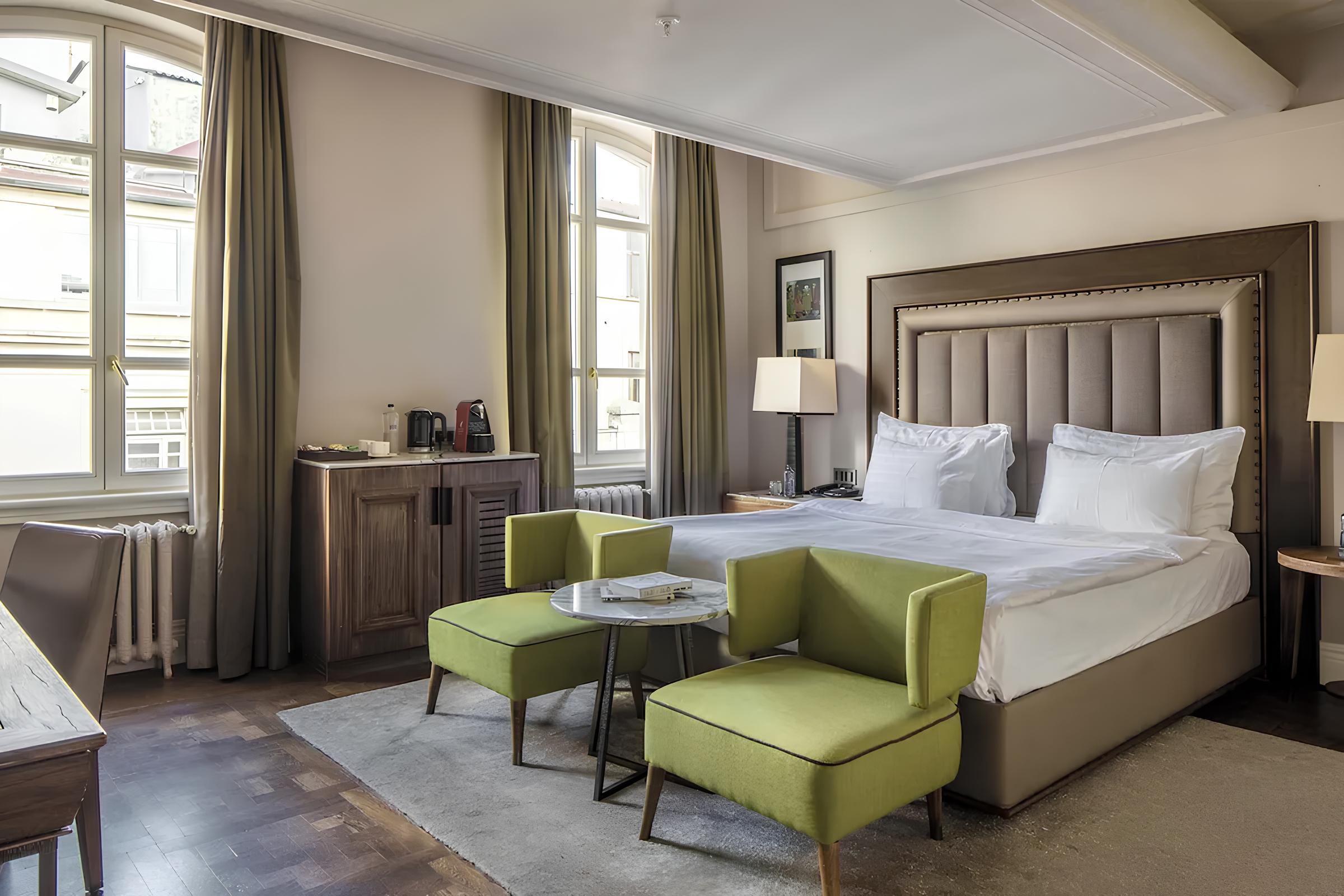
The dining offer is structured around three rooms. Serica is the flagship, named for the Latin term for the silk lands of the East, and the kitchen runs a Silk Road menu that pulls from Anatolia, Persia, Central Asia and the Mediterranean. It is the most thematically interesting hotel restaurant currently operating in Karaköy. The lobby bar doubles as a meeting space during the day and a cocktail destination in the evening. The Bank Roof Bar, on the top floor, open-air, looking across to Galata Tower and the Golden Horn, is the after-dinner ritual.
What makes The Bank Hotel the right choice is its neighbourhood. Karaköy in 2026 is one of the most rewarding districts in any European city to walk around in for a full day. Galleries, design shops, small contemporary restaurants, ferry terminals to the Asian side, and the elegant rise of Galata directly above. Staying at The Bank Hotel puts you inside this energy. The historic peninsula (Hagia Sophia, the Blue Mosque, Topkapi) is twenty minutes away on foot across the Galata Bridge, but you are not staying among the daytime monument crowds. You are staying in the working creative quarter of the city.
At a glance: - Neighbourhood: Karaköy, north of the Golden Horn - Style: Restored 19th-century neoclassical bank, contemporary luxury inside historic shell - Price range: From around €252 per night - Best for: Returning Istanbul visitors, design-led travellers, anyone planning long days in Karaköy and Galata - Memorable detail: The Bank Roof Bar at dusk, looking at Galata Tower across the water.
The architectural language: how Istanbul restores buildings now
A short note on what these three hotels share that the older generation of Istanbul boutique hotels did not.
They preserve the original façade. All three buildings still read, from the street, as the buildings they were a century ago. No glass towers attached. No exterior signage that overwhelms.
They open up the interior. Old commercial halls with high ceilings and large windows are kept as spatial events (lobbies, lounges, bars) rather than partitioned into smaller standardised hotel rooms.
They introduce contemporary materials in dialogue rather than contrast. Brass, stone, leather, woven natural fibres, careful lighting. None of the three hotels works in a default neutral-modern register. Each has chosen materials that age with the climate of Istanbul and respond to the original architecture.
They commission art rather than buying it from a catalogue. This is more visible in some properties than others, but in all three there is a clear curatorial intent rather than a generic hotel-art programme.
The cumulative effect, across all three, is that staying in a restored Istanbul boutique hotel in 2026 feels like staying in a building with a continuous history, not a building with a hotel inserted into it.
Three rituals: hammam, rooftop, Bosphorus
The pattern that experienced Istanbul travellers settle into across a four- or five-night stay tends to organise itself around three rituals that none of these hotels miss.
The hammam ritual. Late afternoon, after a morning of monument walking, a hammam treatment (either at your hotel’s spa or at one of the city’s great historic hammams: Çemberlitaş, Hürrem Sultan, Kılıç Ali Pasha) is the single most useful piece of recovery a traveller can build into the day. The Sirkeci hotels both run their own. For The Bank Hotel guests in Karaköy, the closer historic hammams are a short taxi away.
The rooftop ritual. Sunset, every day. Istanbul rewards you for it. The Bank Roof Bar at The Bank Hotel is one of the best examples in Karaköy. From the Sirkeci side, several historic peninsula rooftops give you the view across to Galata. The hotel concierges all maintain a rotating list of which rooftops are at their best given the light and weather of the day.
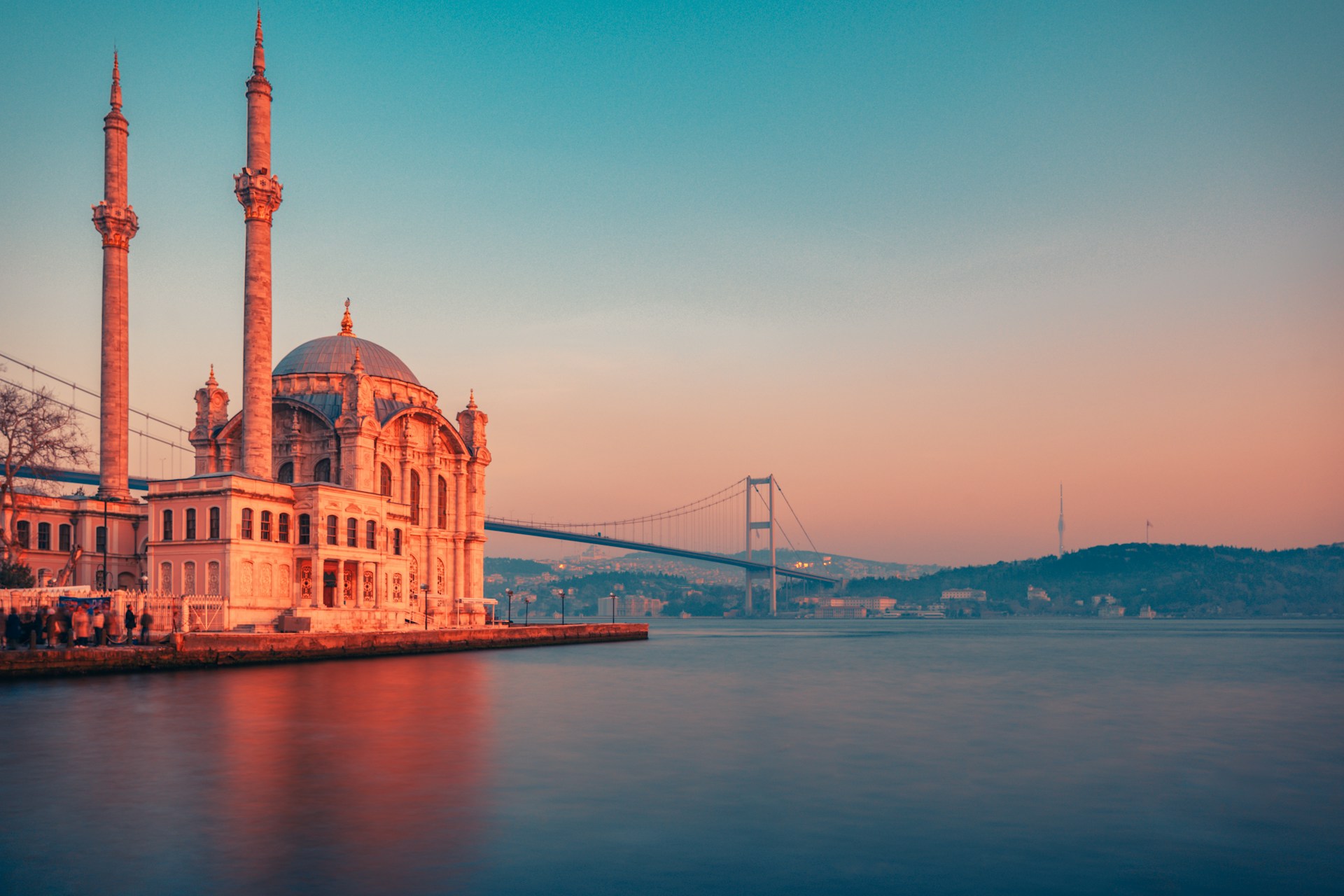
The Bosphorus ritual. At least once during your stay, a private boat down the Bosphorus, preferably late afternoon into early evening, that takes you under both bridges, past the Asian-side palaces, and back. It is one of the most underrated experiences in any European capital, and all three hotels arrange it through trusted operators.
When to go: May, June, and the case against August
May and June are the optimal window for Istanbul. Daytime temperatures sit in the low to mid 20s. Evenings are cool enough to walk comfortably. The crowds at the Old City monuments are large but manageable. The Bosphorus is at its most photogenic. May 19, Youth and Sports Day, is a public holiday with subtle local atmosphere worth experiencing.
September and early October are the second window. Slightly hotter than May to June at the day’s peak but with the same high-quality light and similar crowd patterns. The food markets shift towards autumn ingredients in a way that makes the contemporary Anatolian restaurants particularly interesting.
July and August are the months to avoid for first-time visitors. Daytime temperatures hit the mid 30s. Humidity is high. Walking the historic peninsula becomes a question of timing visits before 11 am and after 5 pm. If you must come in summer, prioritise hotels with good pool and rooftop programmes. The Bank Hotel’s rooftop bar earns its keep in this season.
November through March is the atmospheric off-season. Cool, sometimes wet, dramatically lower crowds. For returning visitors who want a different Istanbul (one without the summer ferries and the day-trip groups), it is genuinely worth considering.
How to choose between the three
A simplified decision tree.
- First Istanbul trip, monuments-focused, want walking distance to Hagia Sophia and Topkapi: Orient Occident
- Couple’s trip, evening-focused, jazz-age atmosphere, butler service: Orientbank
- Returning visitor, design-led, want the contemporary creative quarter: The Bank Hotel
For a five-night stay that wants to experience both halves of Istanbul, two nights at Orient Occident or Orientbank in Sirkeci followed by three nights at The Bank Hotel in Karaköy gives you the full architectural and neighbourhood story of the city without ever moving more than a short taxi ride.
Frequently asked questions
Is Istanbul a good destination in May?
Yes, May and June are the optimal months. Mild temperatures (low to mid 20s), long daylight, manageable crowds, and the Bosphorus at its most photogenic. The same is true of September and early October.
Where should I stay in Istanbul for the first time?
Sirkeci, on the historic peninsula, for a first visit. It puts the major monuments (Hagia Sophia, the Blue Mosque, Topkapi Palace, the Grand Bazaar, the Spice Bazaar) at walking distance. Orient Occident is the strongest first-trip option of the three hotels in this article.
What’s the difference between Sirkeci and Karaköy?
Sirkeci is on the historic peninsula, where the Old City monuments are. Karaköy is across the Golden Horn, in the post-industrial design district that has become Istanbul’s strongest contemporary creative quarter in 2026. First-timers prefer Sirkeci. Returning visitors and design-led travellers prefer Karaköy.
Is Istanbul food really worth changing my plans for?
Increasingly yes. A generation of Turkish chefs working in a contemporary Anatolian register has put Istanbul restaurants into direct conversation with the better restaurants of Copenhagen, Lyon and San Sebastián. Booking in advance for the leading restaurants is now necessary, particularly in Karaköy.
Should I take a private boat on the Bosphorus?
Yes. A late-afternoon-into-early-evening private boat down the Bosphorus is one of the most rewarding experiences any visitor can build into an Istanbul stay. All three hotels in this article arrange it through trusted operators. Plan it for an evening with good visibility. The light at sunset crossing under the bridges is the photograph you will remember.