Boutique Hotels in Andalusia: An Edit of Seville, Granada and the Inland Country
Andalusia keeps its finest interiors behind plain doors. A blank facade on a narrow lane opens onto a cool tiled patio, an orange tree, a fountain and a stillness that the street outside never hints at. The region built its idea of luxury around that surprise, around shade and water and privacy in the heat, and its best small hotels are the ones that understood the trick and simply restored it. This edit gathers five of them across the south, from two palaces in Seville to a pair of cathedral-side stays in Granada and one whitewashed estate in the hills between, each a different way of stepping off a Spanish street into somewhere quiet.
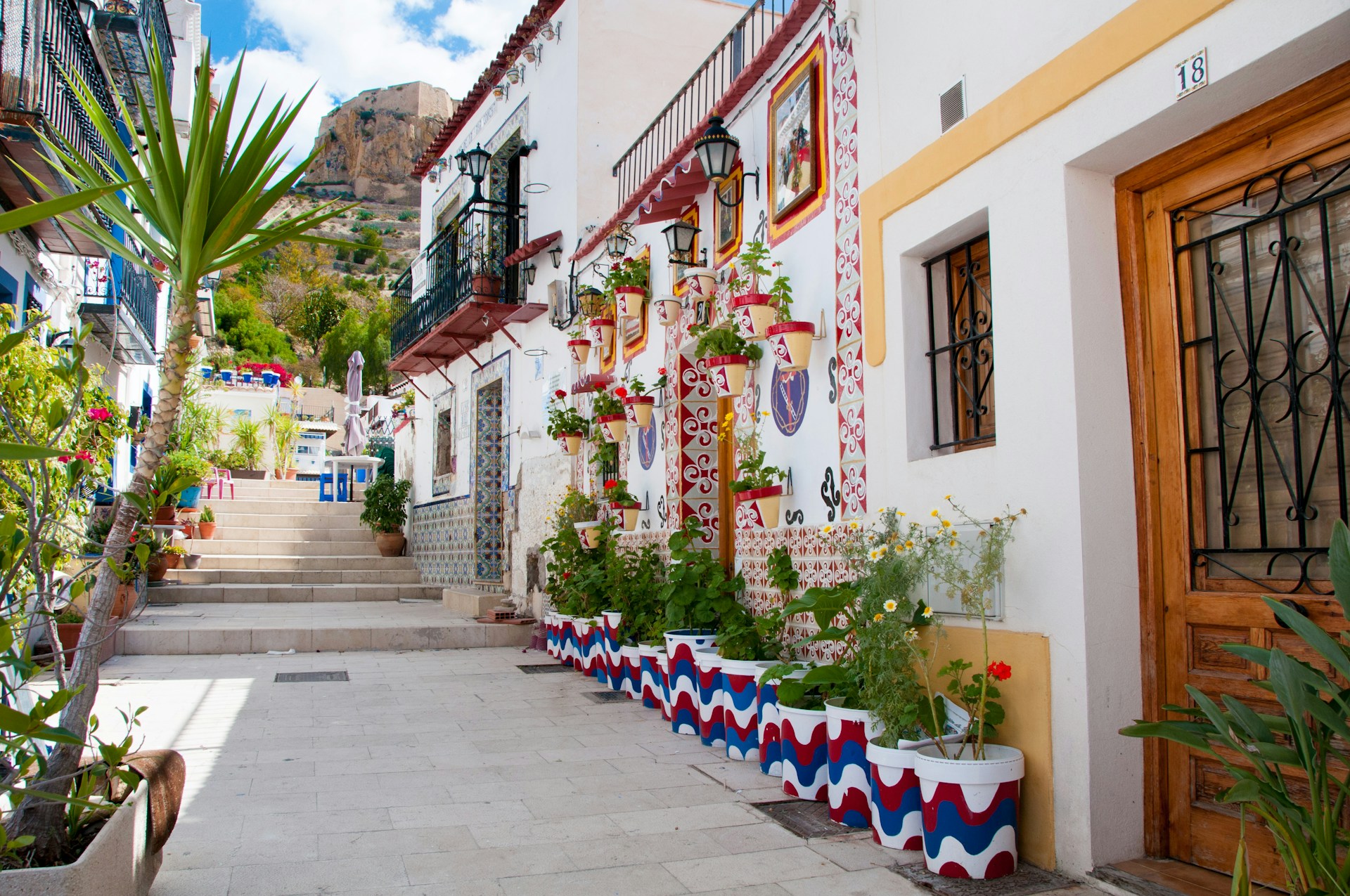
Andalusia is the deep south of Spain, the region of eight provinces that gave the country much of what the wider world pictures when it thinks of it: flamenco, tapas, whitewashed villages, and the Moorish architecture of the Alhambra and the great mosque-turned-cathedral of Cordoba. It is a place of layers, where Roman, Islamic and Christian centuries sit on top of one another in the same street, and where the climate has shaped the buildings as much as any style. Thick walls, inward-facing patios, shaded galleries and rooftop terraces are not decoration here but answers to the sun, and the hotels in this edit all trade on that inheritance rather than fighting it.
The selection is deliberately small and organised by place, not ranked. It opens in Seville, the regional capital and the easiest city to fall for, with two restored palaces that show slightly different sides of the old town. It moves to Granada, where two hotels put the Cathedral and the Alhambra within walking distance and the Sierra Nevada on the horizon. It closes in the countryside between the two, at an estate near Malaga that answers a different question entirely, the one about where to stop moving for a while. Read together they map a natural route through the region, and taken singly each makes a strong case for its own corner of the south.
Seville: palaces behind quiet doors
Seville is the great romantic city of Andalusia, a place of orange trees and tiled courtyards, of the vast Gothic Cathedral and the Alcazar with its Mudejar palaces and gardens, and of a street life that runs late and warm. Its old town is a maze of narrow lanes where the temperature drops the moment a doorway swallows the sun, and it is precisely in those lanes that the city hides its best small hotels. Both of the stays below occupy centuries-old mansions, both are built around patios in the classic Andalusian manner, and both sit within an easy walk of the landmarks, so that a day of sightseeing ends not in a lobby but in a courtyard.
Corral del Rey, in the Barrio Alfalfa
Set within a beautifully restored 17th-century casa palacio in the Barrio Alfalfa, Corral del Rey is the quintessential Seville hideaway, an intimate house of just 17 individually designed rooms moments from the Cathedral and the Alcazar. The heart of it is an enchanting atrium of Roman marble columns and intricate wooden beams, a piece of the building's own history left on show, and the rooms around it blend traditional Andalusian detail with contemporary comfort so that each feels distinct. Mornings begin with a leisurely breakfast in the calm of the house before the lanes fill, and the day tends to end where the hotel is at its best, on the rooftop terrace, where a plunge pool and a glass of local wine come with a panorama of the Seville skyline turning gold at sunset. For a first stay in the city it is hard to improve on: central enough to walk everywhere, small enough to feel like a private address.
Hotel Gravina 51, in the city centre
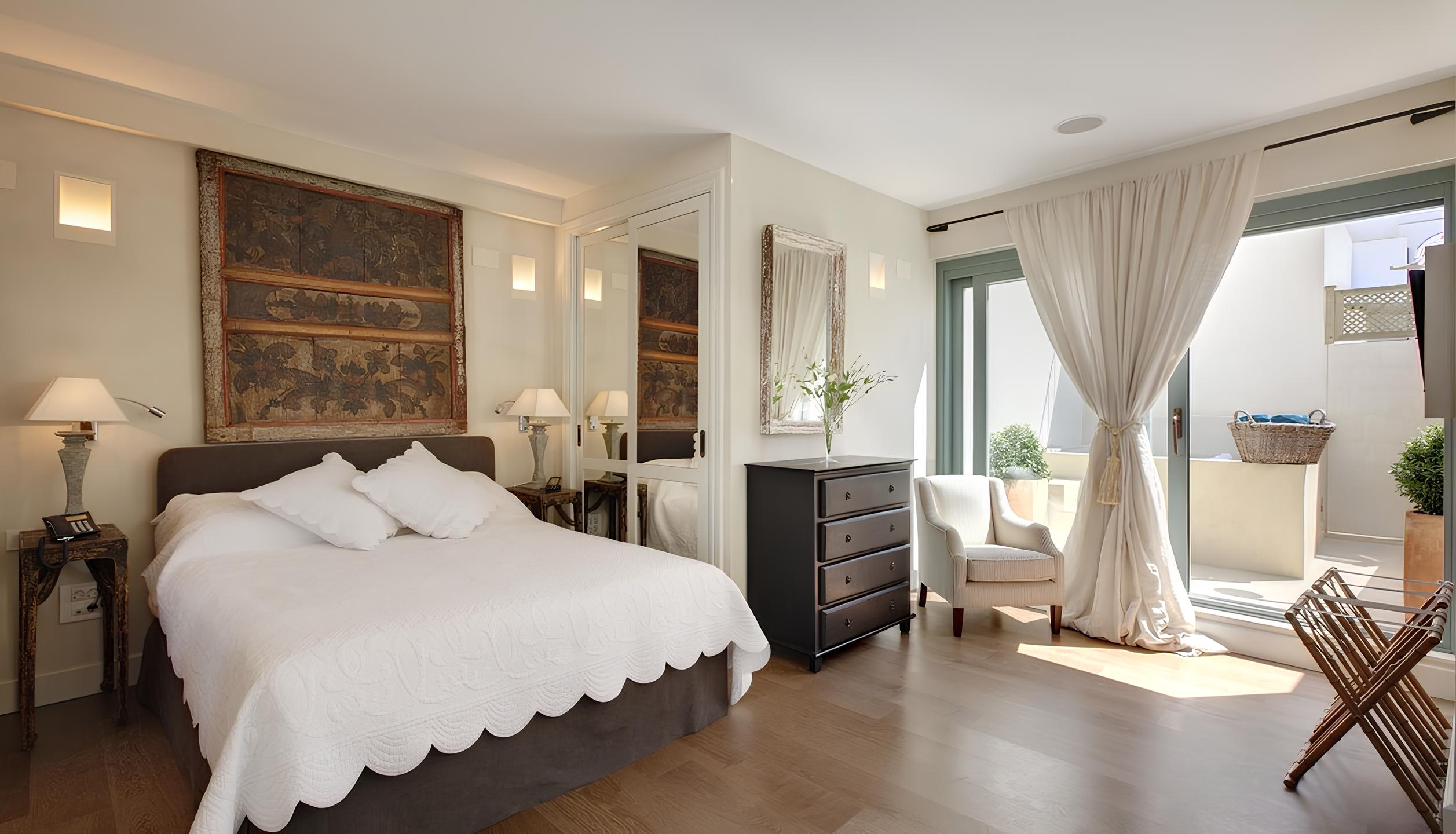
A short walk away, in a meticulously restored 18th-century Sevillian mansion, Hotel Gravina 51 makes the same argument in a slightly different register, trading a rooftop pool for a pair of serene Andalusian patios and a mix of rooms and apartments that suits longer, more independent stays. Wrought-iron balconies and wooden beams survive from the original house and sit easily alongside soft lighting and spacious, modern layouts, and breakfast is taken in the tranquillity of the courtyard under dappled sun. The location is its quiet advantage, close to the Maestranza bullring and the buzz of Plaza de Armas as well as the Cathedral, so the whole of the old town unfolds on foot. The team leans into the setting too, arranging flamenco and guided visits to the Alcazar and Cathedral, which makes it a natural base for travellers who want the city's culture close at hand and a residential calm to return to.
The Andalusian idea of luxury was never about the view from the front. It was about what waited past the door, in the shade of the patio, where the noise of the street could not follow.
Granada: at the foot of the Alhambra
Granada is the other half of the classic Andalusian pairing, a city defined by the Alhambra on its hill, the tangle of the Albaicin across the valley and the Sierra Nevada rising white behind it all. It is more compact and more dramatic than Seville, its history pressed close together, and a good hotel here is measured partly by how near it puts a traveller to the two poles of the city, the Cathedral in the centre and the palace on the hill. The two stays below manage both, and both add the small luxury that Granada rewards more than most: a rooftop from which to take in the Alhambra at dusk.
Palacio Gran Via, opposite the Cathedral
Housed in a carefully restored early-20th-century building directly opposite the Cathedral and within walking distance of the Alhambra, Palacio Gran Via is the fuller-service choice of the pair, a boutique hotel that pairs high ceilings and period mouldings with a spa, a pool and a genuine sense of occasion. The rooftop terrace is the signature, sweeping across the Alhambra and the Sierra Nevada and made for a cocktail as the light goes, while El Patio restaurant reworks Andalusian flavours from local produce for a slower dinner. Below the elegant public rooms there is a serene spa with a hammam and a range of treatments, so a day spent climbing to the Alhambra and wandering the Albaicin can dissolve into warm water afterwards. It suits travellers who want their history within a few minutes' walk but also want somewhere to properly unwind between the sights.
Seda Club Hotel, on Plaza de la Trinidad
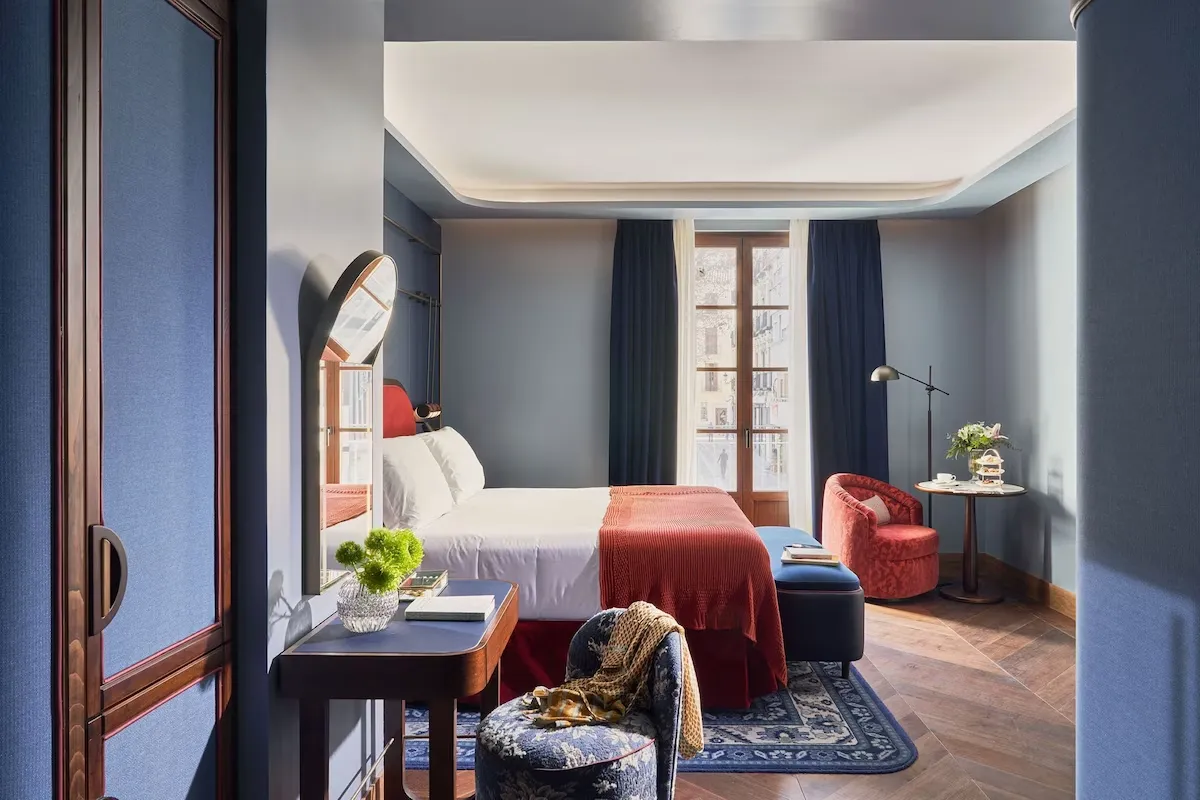
A few streets from the Cathedral, on the leafy Plaza de la Trinidad, Seda Club Hotel takes its cue from Granada's history as a centre of the silk trade and turns it into a small, refined suite hotel of rich textiles and quiet luxury. The rooms are dressed for comfort, with plush furnishings and modern amenities behind a discreet historic frontage, and the mood throughout is intimate rather than grand. Its Seda Club Restaurant sets traditional Andalusian cooking against international touches, all built on local ingredients, and the location puts the city within easy reach on foot: the Alhambra, the Albaicin and the tapas bars that Granada is famous for are all a short walk away. For travellers who prize a central, characterful base over a full roster of facilities, it is an elegant and personal place to settle.
The inland country: a whitewashed estate
Between the great cities lies the other Andalusia, the one of olive groves, low sierras and villages the colour of chalk, and it answers a different holiday. Where the city hotels are about walking out of the door into history, the countryside is about not needing to leave at all. The estate below sits almost exactly between Malaga and Granada, close enough to reach either for a day yet far enough to feel genuinely rural, and it is the piece of this edit that turns a city trip into something slower and more restorative.
Finca La Bobadilla, in the Sierra de Loja
Set in the gentle hills of the Sierra de Loja, between Malaga and Granada, Finca La Bobadilla feels less like a hotel than its own secluded Andalusian village, a whitewashed estate of tiled roofs, bell towers and shaded courtyards surrounded by olive groves and open country. Its 73 rooms and suites keep to traditional character and understated comfort, with views over the gardens, the estate or the rolling landscape, and the whole place runs at that easy southern rhythm that makes doing nothing feel entirely reasonable. Days can be as full or as empty as a guest wants: three swimming pools, including a large palm-lined outdoor one, tennis courts, bikes and guided walks on one hand, and on the other a spa of arched ceilings, hydrotherapy, a heated indoor pool, sauna, hammam and steam room built for losing track of time. Food is a pleasure rather than an afterthought, from a generous, unhurried breakfast to four different places to eat and drink, whether contemporary Andalusian dishes at dinner or evening glasses in the square beneath the bell tower. When the urge to explore returns, Malaga, Granada, Cordoba and the little town of Riofrio are all within reach, before the estate folds a guest back into its quiet.
What unites them
For all their differences, the five stays share a single instinct, which is to work with the Andalusian house rather than reinvent it. Four of them occupy restored historic buildings, from 17th and 18th-century Seville palaces to an early-20th-century pile opposite Granada Cathedral, and the fifth recreates the feel of a whitewashed village in the country. In every case the patio, the courtyard, the rooftop and the shaded interior do the heavy lifting, and the modern comforts are slipped in without shouting. The result is a kind of luxury that feels particular to the region: not sleek and international but cool, private and rooted in place, the sense of having found a door in a wall that most people walk past.
They also share a scale. None of these is a large resort, and even the countryside estate keeps the atmosphere of a village rather than a complex. That intimacy is much of the point in Andalusia, where the pleasure is in the individual room, the quiet corner of the patio, the rooftop with just a few loungers on it. Travellers who want the anonymity and full facilities of a big hotel may find them modest, but those who want somewhere personal, characterful and closely tied to its setting will recognise all five as versions of the same good idea.
Food and the table
Eating is half the reason to be in Andalusia, and the region's rhythm is built around it: a slow breakfast, a long lunch in the heat, tapas that stretch the early evening and a late dinner once the day has cooled. The hotels here play into that in their own ways. In Seville, both Corral del Rey and Hotel Gravina 51 make a ritual of breakfast in the calm of a patio, before releasing guests into a city where the tapas bars are among the best in Spain. In Granada, the tradition of a free tapa with every drink still holds in many bars, and both hotels sit within a short walk of them, while Palacio Gran Via and Seda Club each keep a restaurant that reworks Andalusian cooking with care. Finca La Bobadilla goes furthest, with four places to eat and drink across the estate and a wine hotel's attention to the glass, so that dinner rarely requires leaving at all.
When to go
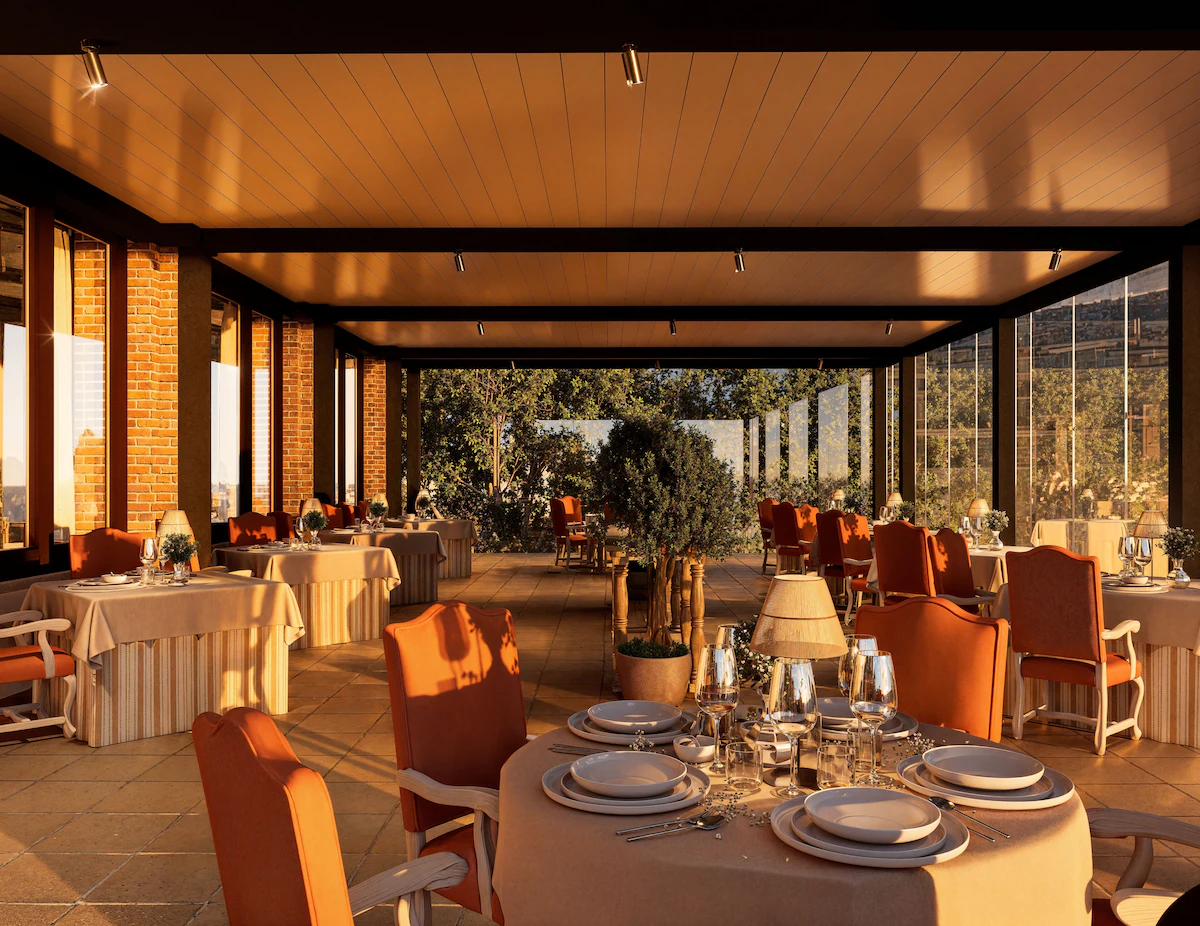
Andalusia is a shoulder-season region above all. Spring, from March into May, and autumn, from September into October, are the sweet spot, with warm days, long evenings and the cities at their most walkable. Spring brings the great Seville festivals and gardens in bloom, while autumn holds the summer's warmth without its ferocity, and the light in both seasons flatters the stone and the whitewash alike. High summer is a different proposition: July and August are genuinely hot inland, with Seville and Cordoba among the warmest cities in Europe, and while the hotels here are built for shade and the countryside estate offers three pools, the middle of the day asks for a slower plan. Winter is mild and quiet, the monuments uncrowded and the prices gentler, which suits travellers who care more for culture than for sitting outside.
How to get around
The two cities are easy without a car. Seville and Granada are both compact, walkable and connected to each other and to Cordoba and Malaga by fast trains and good roads, so a trip built around the cities alone barely needs one. The old-town hotels reinforce this, since Corral del Rey, Hotel Gravina 51, Palacio Gran Via and Seda Club all sit within a few minutes' walk of the main sights and are better reached on foot than by car through narrow historic lanes. For a city-focused visit, arriving by train and staying central is usually the simplest and most pleasant approach.
The countryside is the exception. Finca La Bobadilla sits out in the Sierra de Loja between Malaga and Granada, and reaching it, and making the most of the surrounding country and the day trips it opens up, is far easier with a car. A common and rewarding plan is therefore to do the cities by train and pick up a car for the rural leg, or simply to hire one for the whole trip if the itinerary leans toward exploring villages and driving between bases. Distances across western Andalusia are manageable, the roads are good, and the freedom to reach a hilltop town or a vineyard on a whim adds a great deal to time spent away from the cities.
How many days do you need
A first trip rewards about a week. Two to three nights in Seville and two in Granada give each city enough time for its major sights and a proper sense of its streets, with Seville earning the extra night for the sheer size of its old town and the pull of its evenings. That pairing alone makes a satisfying five to six-night trip and is the classic Andalusian introduction. Adding Cordoba as a day trip by train, or as a night in its own right, deepens the picture without much extra effort, since it sits on the fast line between the two.
Travellers with more time, or those who want the trip to rest rather than rush, should fold in the countryside. A few nights at Finca La Bobadilla between the cities turns a monument tour into something that breathes, a stretch of pools, spa and long lunches in the middle of the route. Ten days is enough to combine both cities, a day or night in Cordoba and several unhurried nights in the country, and that fuller shape, city and calm in alternation, is the most rewarding way to take the region. Shorter than four or five nights and Andalusia starts to feel like a series of dashes between monuments, which is the one thing this corner of Spain does not reward.
Frequently asked questions
| Question | Answer |
|---|---|
| Where should I stay in Andalusia? | For a first trip I would base myself in the old towns of Seville and Granada, where the sights are within walking distance and the boutique hotels are restored historic houses built around patios. In Seville I would look at Corral del Rey or Hotel Gravina 51, and in Granada at Palacio Gran Via or Seda Club. If I wanted the trip to slow down, I would add a few nights at Finca La Bobadilla in the countryside between the two. |
| What is the best area to stay in Seville? | I would stay in the old town, close to the Cathedral and the Alcazar, so I could reach almost everything on foot. Corral del Rey in the Barrio Alfalfa and Hotel Gravina 51 in the city centre both sit in restored palaces within a short walk of the main sights, which is exactly what I want in Seville: a central, characterful base I can walk out of straight into the lanes. |
| Which hotel is closest to the Alhambra? | Both Granada hotels here are within walking distance of the Alhambra. Palacio Gran Via sits opposite the Cathedral in the centre and has a rooftop with sweeping Alhambra and Sierra Nevada views, while Seda Club is a few streets away on Plaza de la Trinidad. I would still book my Alhambra tickets well in advance whichever I chose, since entry is timed and sells out. |
| Is Seville or Granada better for a first trip? | I would not choose between them if I could help it, because they complement each other. Seville is larger, more romantic and better for evenings and street life, while Granada is more compact and dramatic, defined by the Alhambra and the Sierra Nevada behind it. On a first trip I would give Seville a night or two more, but I would try to see both, ideally on the same journey. |
| Do I need a car in Andalusia? | Not for the cities. Seville, Granada, Cordoba and Malaga are linked by fast trains and are all walkable once there, so a city-focused trip is easier without a car. I would only hire one if I wanted the countryside, for example to reach Finca La Bobadilla in the Sierra de Loja and explore the villages around it, in which case a car makes the rural part of the trip far more rewarding. |
| When is the best time to visit Andalusia? | I would aim for spring or autumn, roughly March into May or September into October, when the days are warm, the evenings long and the cities comfortable to walk. High summer is genuinely hot inland, especially in Seville and Cordoba, so I would slow the days down and lean on shade and pools if I went then. Winter is mild and quiet, which suits a culture-focused trip with fewer crowds. |
| How many days do I need in Andalusia? | About a week for a first visit: two or three nights in Seville, two in Granada, and a day or a night in Cordoba on the fast train between them. If I wanted to rest as well as sightsee, I would stretch it to ten days and add a few nights in the countryside at Finca La Bobadilla. Much less than four or five nights and the region turns into a rush, which is not how Andalusia is best enjoyed. |
| What kind of hotels are these? | They are small boutique stays rather than large resorts. Four occupy restored historic buildings, from 17th and 18th-century palaces in Seville to an early-20th-century one opposite Granada Cathedral, and the fifth is a whitewashed country estate near Malaga. All are built around the Andalusian ideas of patios, courtyards, rooftops and shade, so the luxury feels private and rooted in place rather than sleek and international. |
Andalusia rewards the traveller who looks past the facade. Its cities give their monuments freely, the Cathedral and the Alcazar in Seville, the Alhambra above Granada, but the region keeps its quieter pleasures behind doors, in the patio, the rooftop and the shaded room. The five stays in this edit are simply five good ways in, whether the trip wants the romance of Seville, the drama of Granada, or the long, olive-scented calm of the country between them.