Three Ways Thailand Does Design: River, Rainforest, Skyline
A close look at three design-led luxury hotels in Thailand: The Siam on the Chao Phraya, Keemala in Phuket's rainforest, and The Standard in Bangkok's tallest tower.
You can learn a lot about a country by how it builds its hotels. Not the chain ones, not the glass boxes with the gym on the fourteenth floor and the lobby that could be in any city on earth. The other ones. The ones that somebody argued about, that cost more than they should have, that were built because someone had a conviction about what a room should feel like in a particular place.
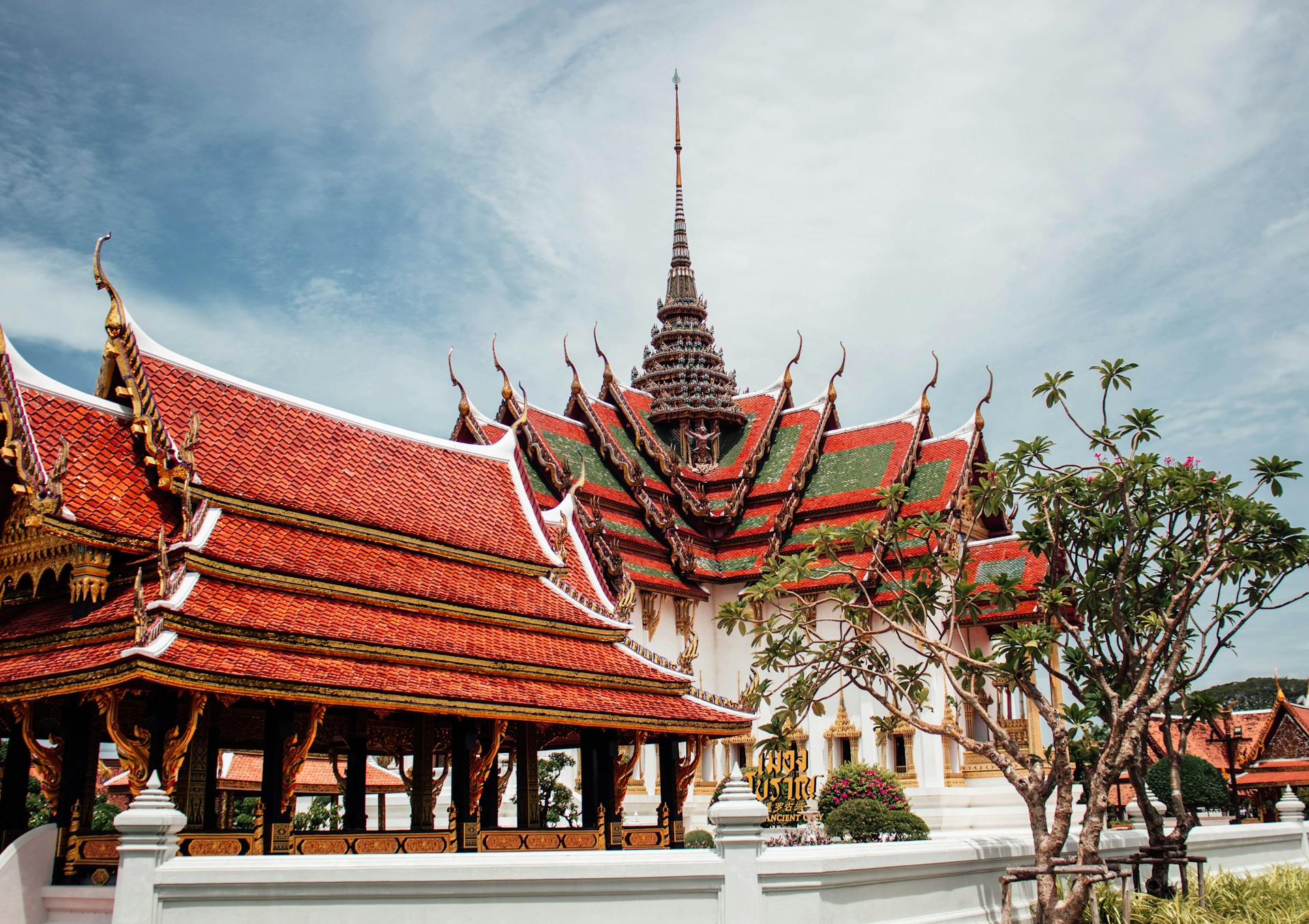
Thailand has been producing those kinds of hotels for longer than most countries in Southeast Asia, and the best of them share a quality that is hard to name but easy to recognise. Call it material intelligence. A sense that every surface, the teak, the brass, the silk, the terrazzo, the rattan, is there because it belongs, not because it was sourced from a catalogue. The country has six centuries of unbroken architectural tradition, tens of thousands of working craftsmen, a textile and ceramics culture that runs deep, and a hospitality instinct that predates the tourism industry by generations. When a serious architect or designer takes on a luxury hotel in Thailand, they have more to work with than almost anywhere else.
What follows is a look at three hotels that represent three very different answers to the question of what Thai design can mean right now. The first sits on the Chao Phraya River in Bangkok, thirty-nine suites of Art Deco grandeur filled with more than twenty-five thousand antiques. The second clings to a rainforest hillside above Kamala Beach in Phuket, thirty-eight fantasy villas inspired by four fictional clans. The third occupies the lower floors of Thailand's tallest building, the King Power Mahanakhon in Bangkok's financial district, one hundred and fifty-five rooms of playful, colour-saturated modernism designed by Spanish artist Jaime Hayon. River, rainforest, skyline. Three registers. One country's idea of what a room can be.
The Siam: Art Deco on the Chao Phraya
3/2 Thanon Khao, Vachirapayabal, Dusit, Bangkok
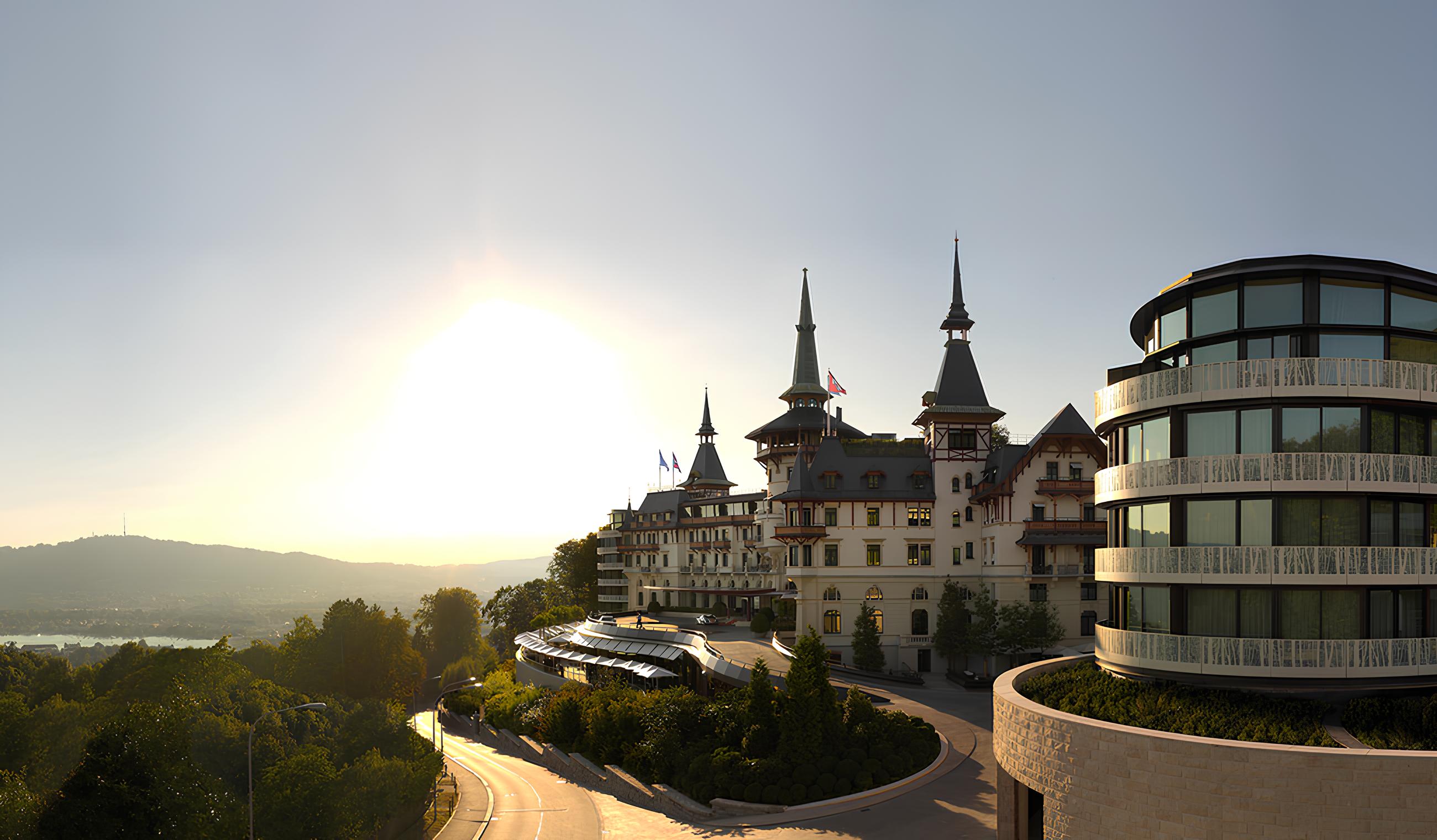
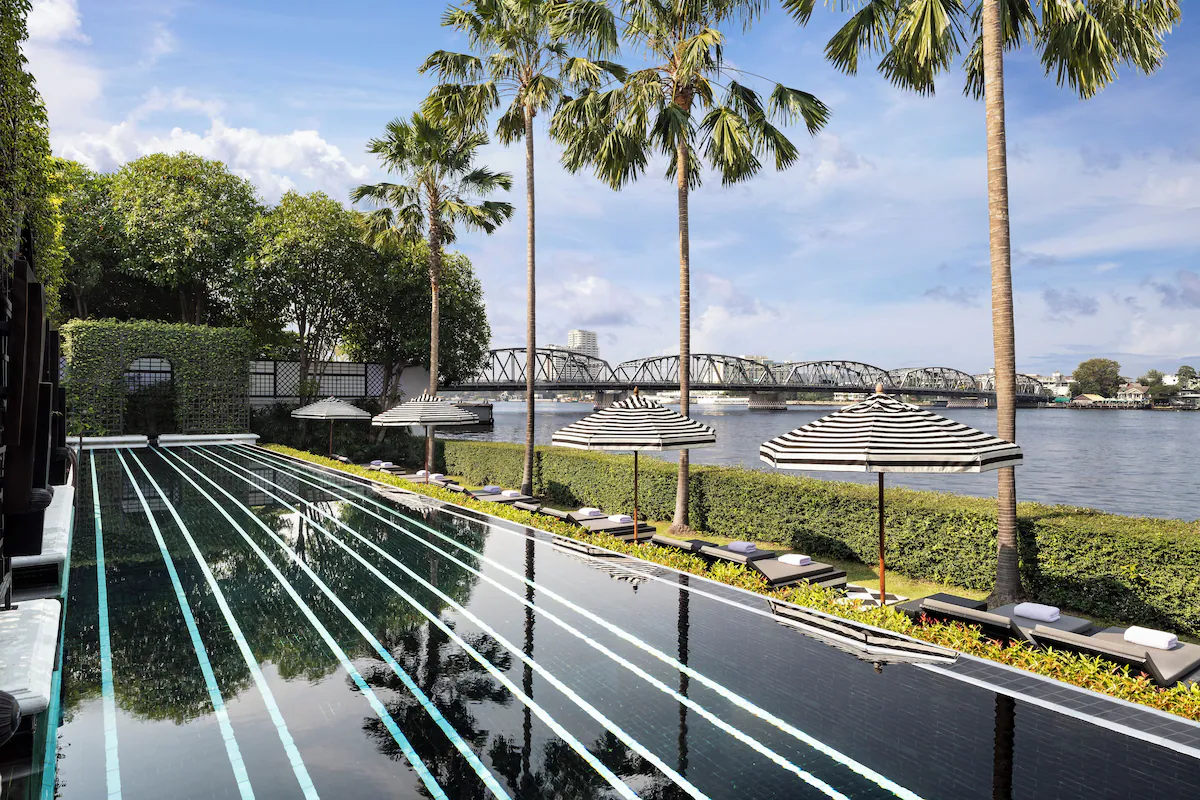
There is a pier at The Siam where guests arrive by private speedboat from downtown Bangkok. At sunset the pier doubles as a cocktail terrace, and if you stand there with a glass of rosé champagne watching the rice barges move upriver, you start to understand why this hotel has been on The World's 50 Best Hotels list and why people who have stayed once tend to come back.
The Architect and the Collector
The story begins with two men. Bill Bensley, the most prolific luxury hotel architect in Southeast Asia, with more than a hundred and fifty properties to his name across twelve countries. And Krissada Sukosol Clapp, known in Thailand by his stage name Noi, a pop star, actor, musician, and compulsive collector of antiques who happens to run one of the country's most established hospitality families. Kriss, as he is known to friends, wanted to build a hotel on the three acres of river frontage his family owned in the Dusit district, the old royal quarter of Bangkok where the palaces are. He needed someone who could handle his collection, which at last count ran to more than twenty-five thousand pieces: vintage travel trunks, first-edition books, antique pottery, framed photographs, gramophones, century-old Thai sculptures, and a gift shop stocked with items that include stuffed alligators, Star Wars posters, and black china phalluses. He chose Bensley. They got along immediately.
The Architecture
The main residence was drawn by lead architect Khemvadee Paopanlerd, who has said that the design was inspired by Paris's Musée d'Orsay. The palette is black, white, cream, grey, and natural textures: teak, leather, woven rattan, stone. The period reference is the reign of King Rama V, roughly 1853 to 1910, the era of Bangkok's greatest grandeur, filtered through an Art Deco lens. Of the hotel Bensley has said that his studio has designed more than a hundred and fifty properties worldwide, and this one is his favourite. He was not exaggerating. The attention to detail is extraordinary. Handcrafted screens, intricate tilework, dramatic staircases, orchids and ferns and vines weaving between indoor and outdoor spaces, and at the centre of the property a light-filled atrium framed by black-and-white columns and tropical greenery that serves as both gathering point and visual anchor.
The Rooms
There are thirty-nine keys. Twenty-eight are suites in the main residence, ranging from eighty to one hundred square metres, each individually designed with original turn-of-the-century oriental artwork and antiques from the Sukosol family collection. Oversized king beds, separate bath and shower, double vanities, high ceilings, framed vintage posters and postcards on the walls, gramophones on the desks. The monochromatic colour scheme, all blacks, whites, and creams, makes the art pop without competing with it.
Then there are the Pool Villas, and this is the level to aim for if the budget allows. The Siam was the first and, for a long time, the only hotel in Bangkok to offer private pool villas in the city centre. Each villa comes in either a Thai or Chinese-themed Art Deco register, with a private swimming pool, lush internal courtyard gardens, polished wood floors, and a roof terrace. The privacy is total. The effect is of owning a very good house on the river that happens to have staff.
Dining
Chon Thai is the restaurant, and it alone is worth a detour. It occupies a cluster of three century-old teak houses that were built in the nineteen-sixties as a private party venue for Bangkok's elite, then dismantled, transported piece by piece to the hotel grounds, and painstakingly restored. The result is one of the most atmospheric dining rooms in the city: ambient lantern lighting, open-air tables, the river sliding past just below, and a menu that mixes historical recipes with contemporary technique. The signature tasting menu, "A Taste of Chon," runs to four courses and includes a three-hundred-year-old watermelon snack reimagined with salmon roe, crispy shallots, and mint.
The Story House handles the Western side of things, featuring vegetable-focused plates and a more contemporary, magazine-spread feel. There is also a patisserie, a wine cellar, and cooking classes for guests who want to learn.
Beyond the Rooms
The Siam runs daily yoga and meditation sessions on an outdoor terrace. There is a Muay Thai training centre, a gym that has been used by the Thai royal family, a screening room, a music room (this is a musician's hotel, remember), a library, and an on-site tattoo parlour where staff can arrange sak yant, the sacred geometric tattoo tradition administered by a monk or practitioner. The infinity pool faces the river, flanked by the Bathers' Bar, which is exactly as good as it sounds.
The hotel also runs private tours of the surrounding Dusit neighbourhood with staff guides, sunset cruises on a traditional rice barge, and private dinners on the riverbank. Service, in the words of one reviewer, gives you the illusion that you are a multi-millionaire living in your own riverside house attended by devoted staff.
Getting There
The Siam sits on the Chao Phraya River in Bangkok's Dusit district, the old royal quarter. Suvarnabhumi International Airport is roughly forty-five minutes by car, depending on traffic (and Bangkok traffic should never be underestimated). The hotel operates its own private speedboat shuttle from Sathorn Central Pier, which takes around twenty minutes and is the smarter, more theatrical way to arrive. By road, the Grand Palace and the Temple of the Emerald Buddha are a short drive south.
Keemala: A Fantasy Village in the Phuket Rainforest
10/88 Moo 6, Nakasud Road, Kamala, Kathu, Phuket
There is no hotel in Southeast Asia that looks like Keemala. That is the simplest thing to say about it and, for once, there is no need to qualify the claim. Thirty-eight villas in the shapes of bird's nests, seed pods, thatched hobbit holes, and Bedouin tents, scattered across a hillside of untouched rainforest above Kamala Beach on Phuket's west coast. The architecture has been compared to Tolkien, to Miyazaki, to a very expensive fever dream. None of the comparisons quite land, because the place exists in its own register.
How It Got Built
The Somnam family has lived in Phuket for four generations and operates hotels across the island. By the time they decided to build a new property, most of the obvious design ideas had been done: traditional Thai, Sino-Portuguese, tin-mining industrial, slick urban. Tanapong Somnam, the youngest generation, wanted something that had no precedent. The family selected Bangkok-based architecture firm Architect Space, led by Sermsuk Kitcharoenwong, for the structures, and Pisit Aongskultong of Pisud Design Company for the interiors. The investment ran to six hundred and fifty million Thai baht, roughly eighteen and a half million US dollars at the time.
The Four Clans
Aongskultong took the brief and turned it into narrative architecture. He invented four fictional clans, each with its own history, personality, and building style, inspired loosely by the actual multicultural mix of early Phuket settlers: Chinese, Thai, Muslim, European. Each clan corresponds to a villa type.
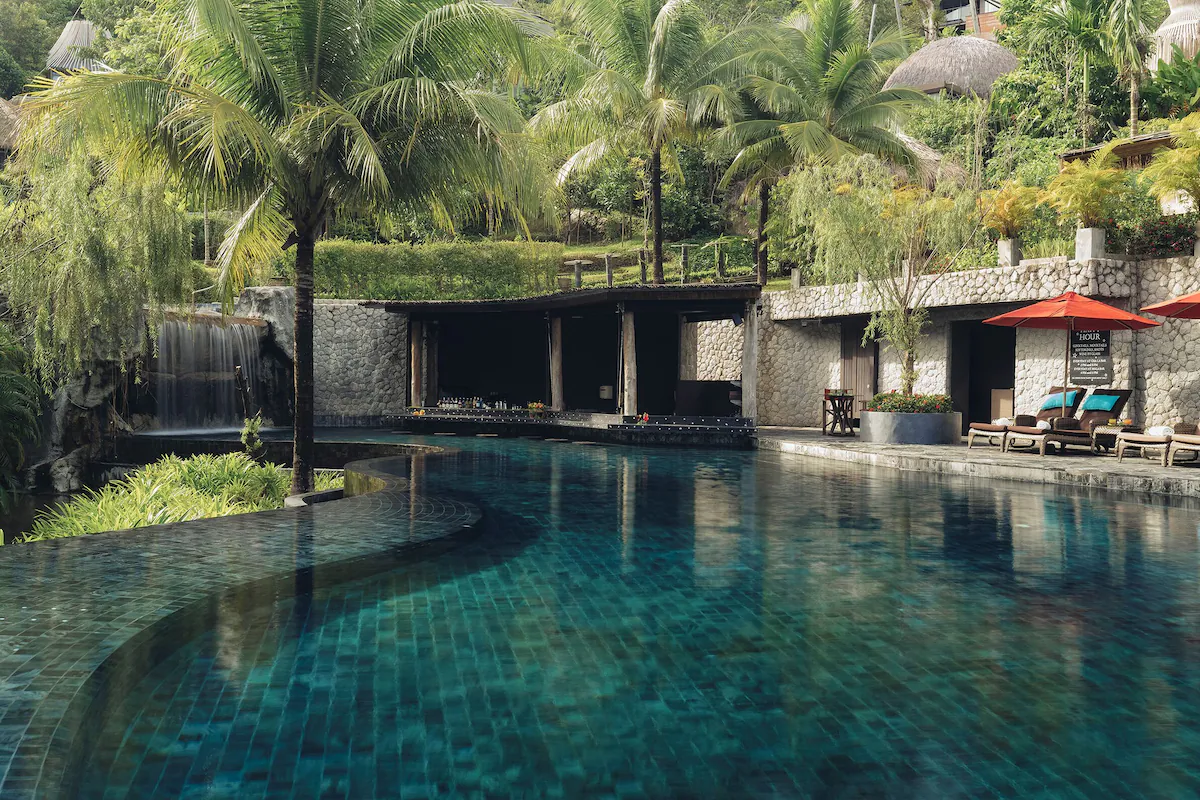
The Pa-Ta-Pea (Earth Clan) gave rise to sixteen Clay Pool Cottages, single-storey structures with walls of moulded organic forms and private pools. The Khon-Jorn (Wanderer Clan) inspired eight Tent Pool Villas, which combine a semi-permanent swooping tent structure with partial ocean or forest views. The We-Ha (Sky Clan) produced seven two-storey Tree Pool Houses, glass-walled structures encased in bamboo and metal shells that rise into the canopy. And the Rung-Nok (Nest Clan) are the headline act: seven Bird's Nest Pool Villas, woven spherical structures suspended in the treetops with panoramic rainforest views and private pools of up to thirty metres.
The Design Logic
The architectural plans had to be redrawn repeatedly to accommodate existing trees. Indigenous specimens sprout through pool platforms, grow alongside walkways, and frame every villa. The interior materials, clay, local wood, shell-embedded tiles, handcrafted mosaics by Chiang Mai artisan Surachai Sripaiboon, change depending on the clan. The Bird's Nest villas use a woven mesh of bamboo and metal that functions as both structural shell and privacy screen. The Tree Pool Houses are double-height glass volumes held inside curved outer casings. Nothing is accidental, and nothing was imported that could be made locally.
Dining and Wellness
The main restaurant serves Thai, Indian, and international cooking, with roughly fifty percent of the produce grown in the hotel's own gardens. Chef Deepak Singh handles the Indian side, and his butter chicken and naan have developed a following. There are intimate dining pods scattered around the main swimming pool, two-person hideaways partly screened by a man-made waterfall.
The Mala Spa occupies eight treatment rooms and offers holistic therapies including medicinal plant treatments, herbal steam, raindrop healing, and yoga and meditation sessions. Keemala operates a strict Anti-Animal Exploitation Policy, which means no elephant rides, no tiger shows, and no partnerships with any operator running such programmes.
Getting There
Keemala is on the west coast of Phuket, a forty-five-minute drive from Phuket International Airport and a ten-minute shuttle ride from Kamala Beach. The hotel runs a twice-daily shuttle to the beach for guests. The interior is hilly with steep paths, and a buggy service operates around the property. Private transfers from the airport can be arranged. High season minimum stays apply: three nights in low season, five in high, seven in peak (late December to early January).
The Standard, Bangkok Mahanakhon: Seventy-Eight Floors of Playful Modernism
King Power Mahanakhon, 114 Naradhiwas Rajanagarindra Road, Silom, Bangkok
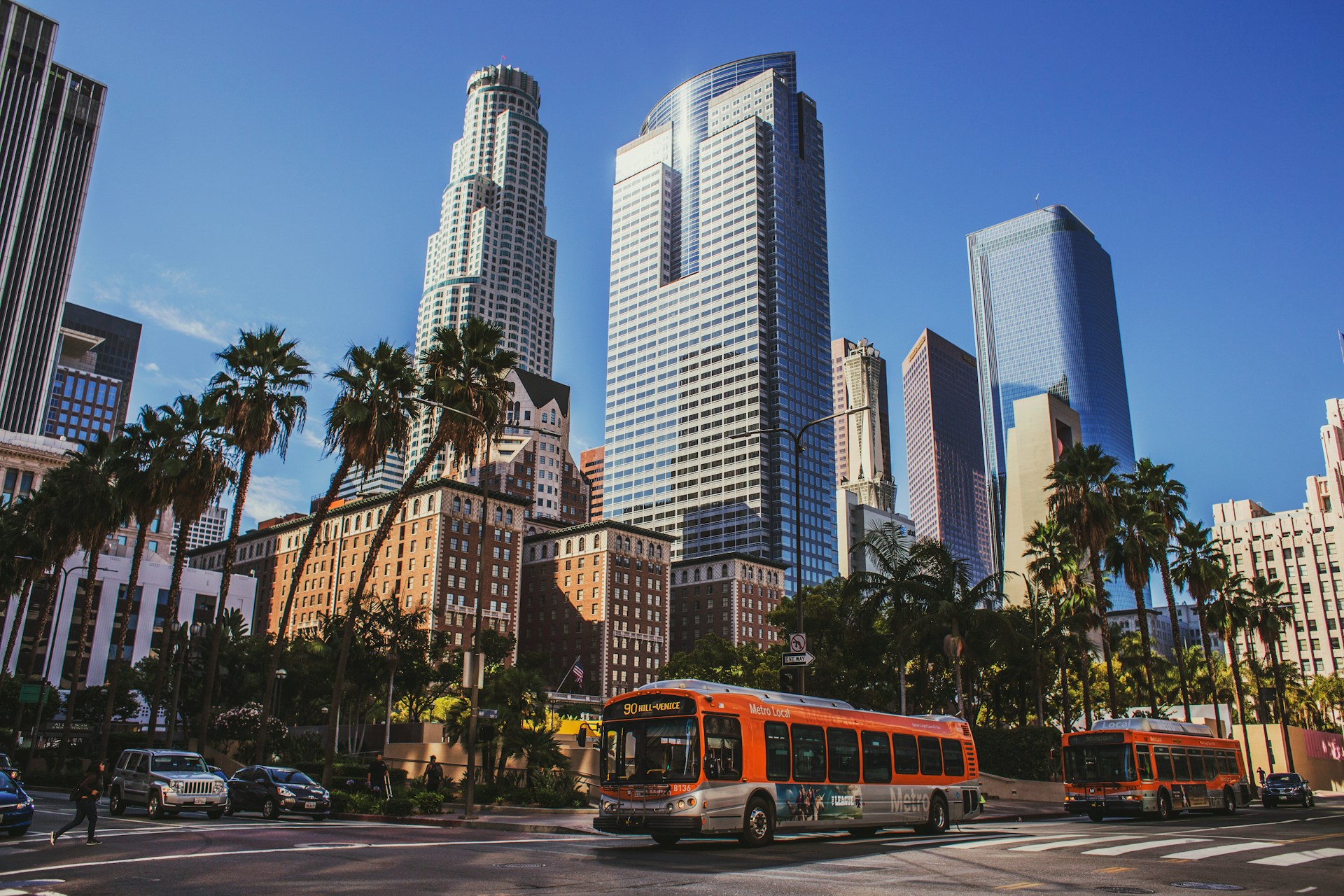
If The Siam is a love letter to old Bangkok and Keemala is a fable, The Standard, Bangkok Mahanakhon is the pop song. Loud, fun, self-aware, and performed at altitude. The hotel occupies the lower floors and the rooftop of the King Power Mahanakhon, Thailand's tallest building at seventy-eight storeys, a glass-and-steel tower in the financial district whose pixelated ribbon façade, designed by German architect Ole Scheeren, has been one of the most photographed additions to the Bangkok skyline since it went up.
The Design Team
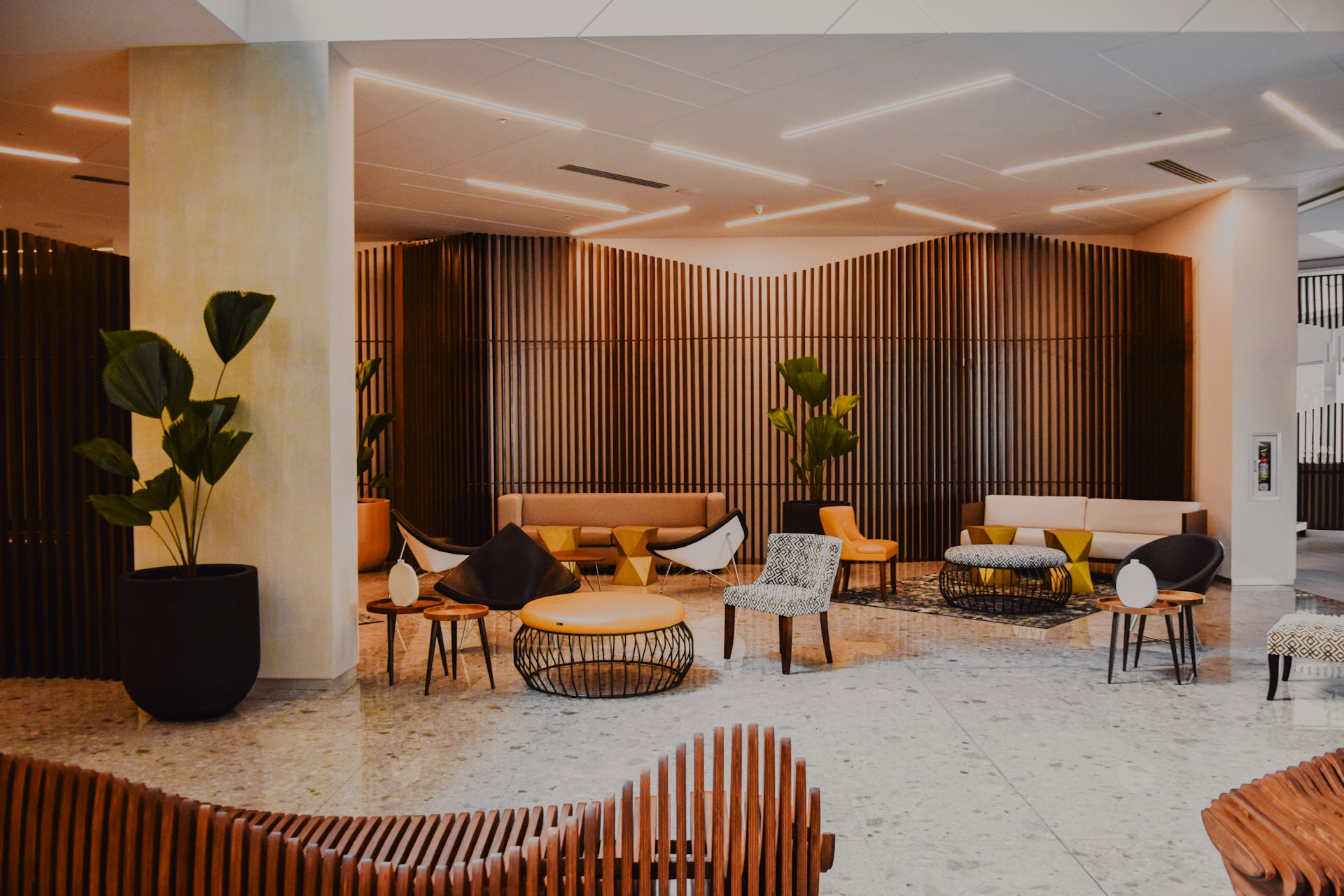
The interiors are the work of Jaime Hayon, the Spanish artist and designer behind Hayon Studios, working alongside Verena Haller, The Standard's in-house chief of design. Hayon is known for mixing rich, dark colour with pastel accents, playful shapes with serious materials, and a sensibility that reads as both retro and completely contemporary. The result is a hotel that feels like walking into an art installation that happens to have a check-in desk.
You notice it the moment you step through the turquoise entrance, past enormous handmade rattan lamps, into an elevator with psychedelic lighting that delivers you to a reception area anchored by a standing sculpture by Joan Miró (from the collection of the King Power group, which built the tower). The reception itself has the feel of a radical-chic living room: leather couches, avant-garde video art by Marco Brambilla behind the desk, white plaster busts of Roman emperors smudged with red lipstick. Every surface has been considered. Every surface is having fun.
The Rooms
There are one hundred and fifty-five rooms across eight categories. The entry level is the King Room at forty square metres, with floor-to-ceiling windows, rain shower and soaking tub, a Nespresso machine, Bang & Olufsen Bluetooth speaker, and Davines bath amenities. The Corner King at fifty-six square metres wraps two walls of glass around a city view and adds a sofa and dining area. The Balcony Suite opens onto a private terrace. And at the top of the range, the Premier Penthouse at one hundred and forty-four square metres is a full-blown Bangkok apartment with a Gaggenau kitchen (microwave, wine cabinet, full fridge, dishwasher, cooktop), a dining area for eight, and a master bedroom with en-suite soaking tub.
Throughout, Hayon's hand is visible. Sleek pastels and brass details. Velvet furniture in mustard, peach, and shades of blue. Custom carpets with squiggles and eyes. Giant red lips as art objects. Locally handmade rattan lamps. Antiques and curiosities sourced from Bangkok's increasingly ambitious creative scene. The bathrooms are deliberately stark, a moment of monochrome calm inside all the colour.
Food, Drink, and the Seventy-Sixth Floor
The food programme is built for a hotel that wants to be a destination in its own right, not just a place where guests happen to eat. The Standard Grill is the American steakhouse riff. Double Standard is a British pub reimagined through a Thai lens. Tease is a surreal high-tea concept that has been compared to Alice in Wonderland designed by a Memphis Group disciple. Mott 32 occupies the second floor with Cantonese fine dining, known for its apple-wood-roasted Peking duck and Ibérico pork char siu. The Parlor is the all-day social hub: cocktails, live music, lectures, DJs after dark.
Then you go up. Way up. On the seventy-sixth floor, Ojo is a Michelin Guide-recommended Mexican restaurant run by chef Francisco "Paco" Ruano of Guadalajara's acclaimed Alcalde, and it is one of the highest restaurants in Thailand. Floor-to-ceiling windows on every side, three hundred and sixty degrees of Bangkok at your feet, a long tequila and mezcal list, and food that is taken very seriously. Two floors higher, Sky Beach is Bangkok's highest alfresco rooftop bar. Higher still, the Mahanakhon SkyWalk glass-floor observatory, complimentary for hotel guests, lets you stand on transparent panels seventy-eight floors above the street.
The Rest
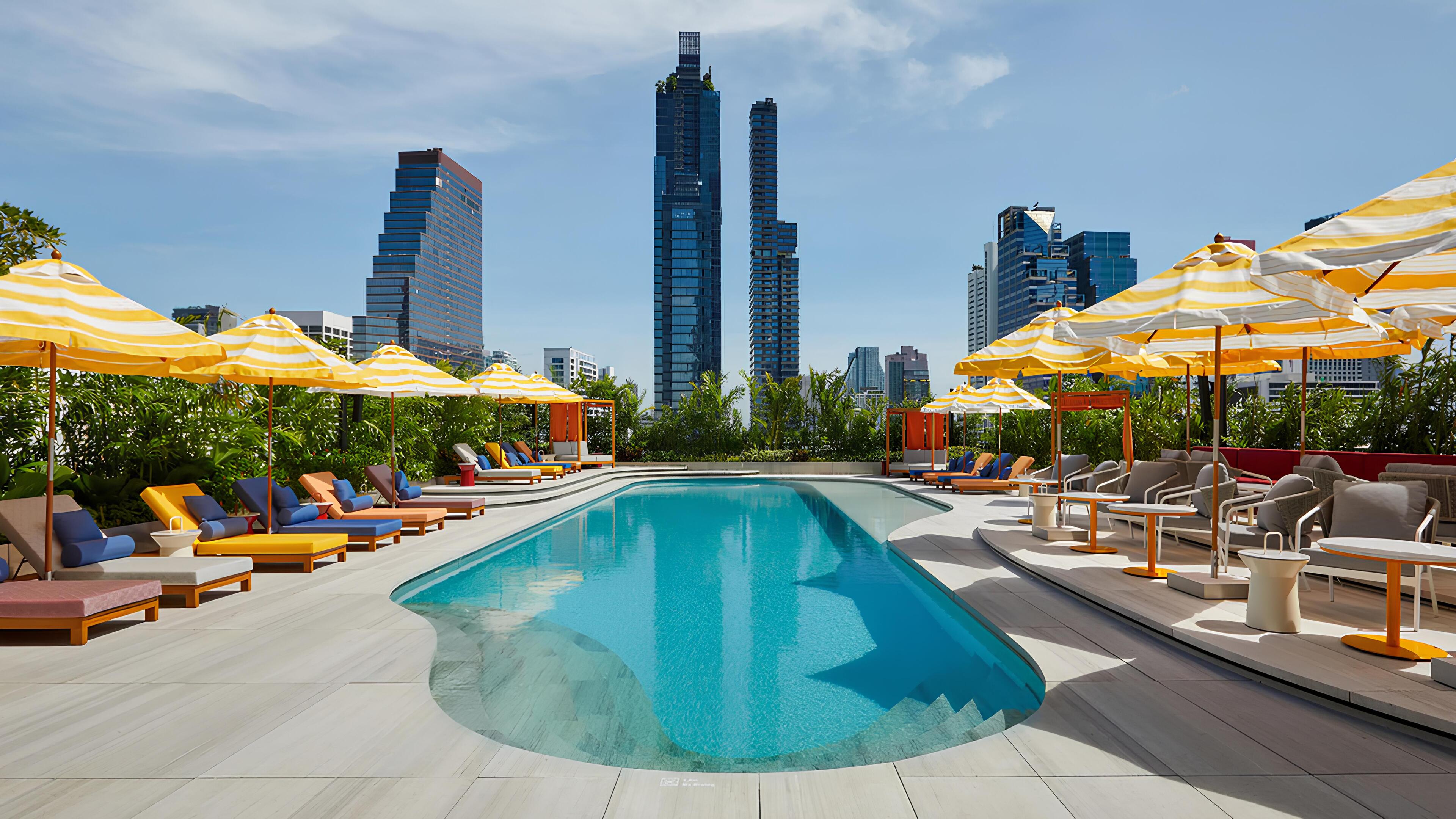
There is a sixth-floor terrace pool with loungers and a pool menu. A twenty-four-hour fitness centre equipped with TechnoGym machines, Thailand's first clamber wall, and a Peloton bike, plus steam room. There is no on-site spa, which is the one gap in the offer, but the hotel directs guests to treatments at Let's Relax and Solne in the Mahanakhon complex, bookable through the concierge. The hotel welcomes dogs in designated pet-friendly rooms.
Getting There
The Standard sits in the Central Business District, on Silom's Naradhiwas Rajanagarindra Road, a short walk from BTS Chong Nonsi station. Suvarnabhumi International Airport is roughly thirty minutes by car in reasonable traffic, longer at rush hour (which in Bangkok can mean any hour). The hotel offers valet parking and can arrange airport transfers. For guests arriving from the old city or the river, a taxi or Grab ride from the Grand Palace area takes around twenty minutes.
How the Three Fit Together
A trip to Thailand that hits all three of these hotels is not only possible, it makes a kind of design-pilgrimage sense. Fly into Bangkok, spend two or three nights at The Standard to get the altitude, the rooftop bar, the Jaime Hayon colour hit, and the sheer energy of the city at close range. Then cross the river to The Siam for two or three nights of the opposite register: quiet, antique-filled, Art Deco, the speedboat ride to and from the chaos of the old city. Then fly south to Phuket, an hour and fifteen minutes, and vanish into Keemala for as many nights as you can afford, because nobody leaves that place wishing they had stayed fewer.
The three properties share almost nothing in terms of aesthetic. What they share is seriousness. Each was designed by people who had a specific argument to make about what a room, a building, a hotel, can feel like in Thailand. And each delivers something you could not get anywhere else.
Frequently Asked Questions
| What is the best time to visit Thailand? | The cool, dry season from November through February is the most comfortable window for most of the country, with lower humidity, minimal rain, and daytime temperatures in the high twenties to low thirties Celsius. March to May is hot. June to October is the monsoon season, wetter and more humid, though prices drop significantly and crowds thin out. Bangkok is a year-round city, but Phuket's beaches are at their best from November to April. |
| Is Bangkok a good city for design lovers? | Yes, increasingly so. The Jim Thompson House remains the standard introduction to Thai design and silk. The Bangkok Art and Culture Centre runs free contemporary exhibitions. The Warehouse 30 creative district and the emerging Charoen Krung neighbourhood are where the galleries, studios, and design shops are clustering. Bangkok Design Week, held in February, is growing into one of the most interesting design festivals in Asia. |
| How far apart are these three hotels? | The Standard and The Siam are both in Bangkok, roughly twenty minutes apart by taxi or river shuttle. Keemala is in Phuket, about an hour and fifteen minutes by air from either Suvarnabhumi or Don Mueang airports. Bangkok to Phuket flights are frequent, cheap, and operate from early morning to late evening. |
| Are these hotels suitable for families? | The Standard is fully family-friendly, with rooms that accommodate up to two adults and two children. The Siam accepts children and has the space for them, though the overall register is more adult. Keemala accepts children of all ages but is best suited to older teenagers according to the hotel's own guidance, given the hilly terrain and steep jungle pathways. |
| What should I budget for a luxury hotel in Thailand? | Among these three, nightly rates start at roughly one hundred and ninety euros at The Standard in low season and climb to five hundred euros or more for the top suites at The Siam or the Bird's Nest Pool Villas at Keemala in high season. Breakfast is typically included at Keemala, à la carte at The Siam and The Standard. Bangkok dining outside the hotel is remarkably affordable, even at a high level. |
| Do I need a visa for Thailand? | Most Western passport holders receive a visa-free entry for stays of up to sixty days. Check with your nearest Thai embassy for the most current rules, as visa policy has shifted several times in recent years. A passport valid for at least six months from your arrival date is required. |
| Is Phuket only about beaches? | Far from it. Phuket has a strong cultural side that most first-time visitors miss. Old Phuket Town is a neighbourhood of restored Sino-Portuguese shophouses, street art, and some of the best local food on the island. The Big Buddha sits on the Nakkerd Hills with long views across the west coast. There are working temples, a tin-mining museum, and the annual Vegetarian Festival in October, which is one of the most visually intense cultural events in Southeast Asia. Keemala's location, inland and elevated, is specifically designed to give guests access to this side of the island rather than just the sand. |
| Can I combine Bangkok and Phuket in one trip? | Easily. Bangkok to Phuket flights take roughly an hour and fifteen minutes, with multiple daily departures on budget and full-service carriers. A seven-to-ten-night trip that splits time between the capital and the island is the standard format for first-time and repeat visitors alike. Add a third stop in Chiang Mai for the cultural north if you have the days. |