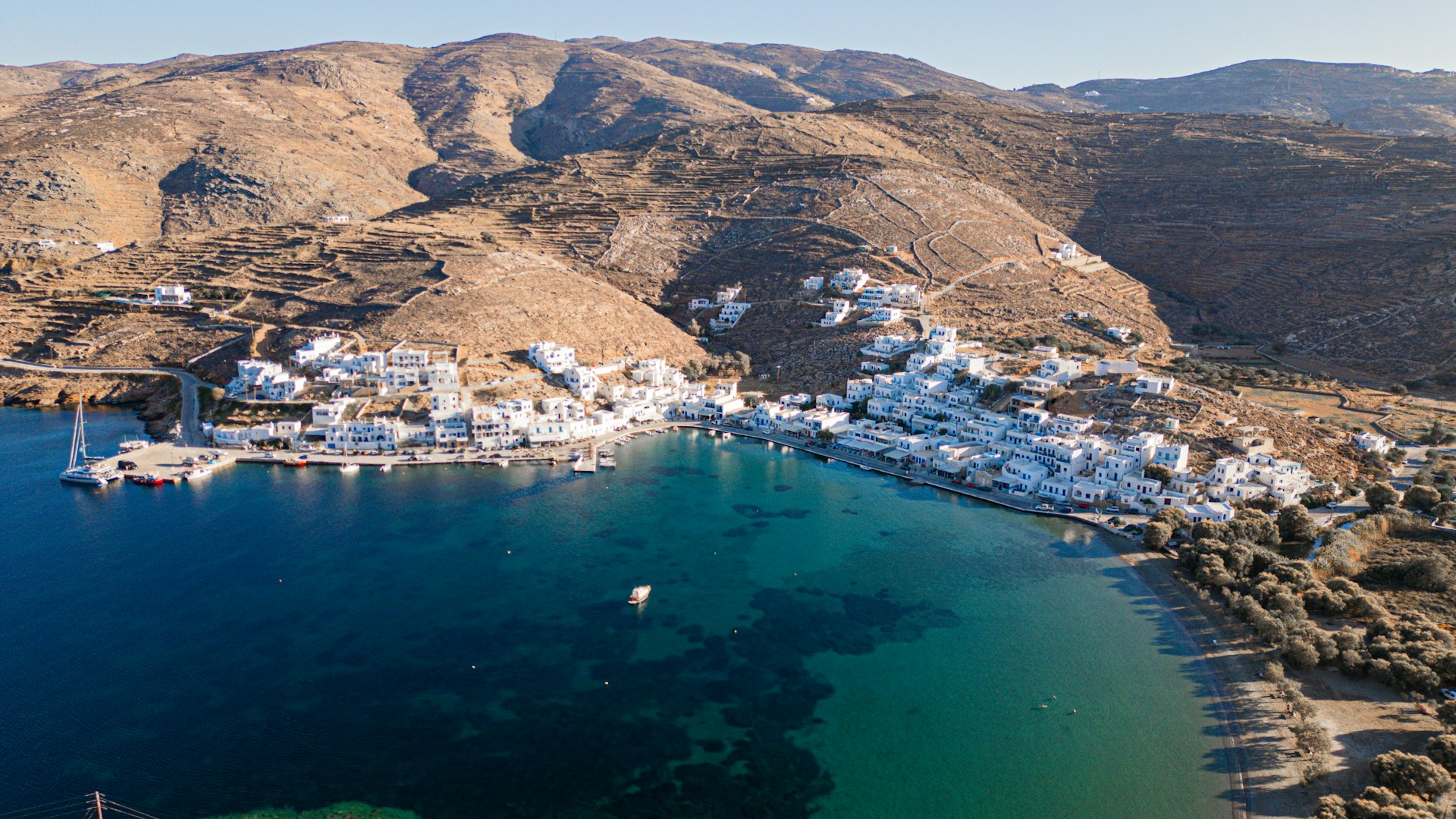
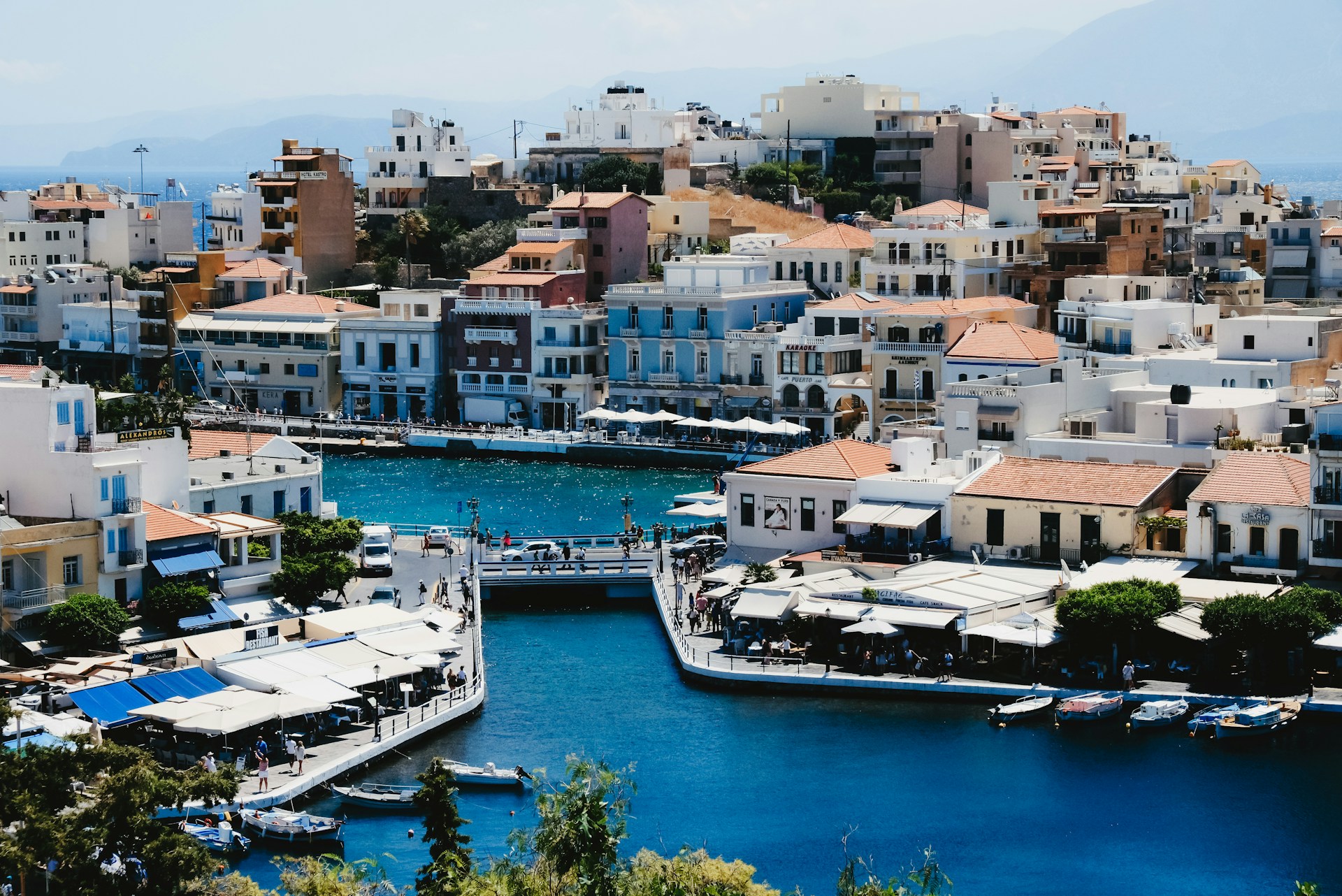
Lake Como vs. Lake Garda: A Decision Guide for 2026
Both lakes are extraordinary. Both are within an hour of a major airport. Both are misread, by international travellers, as more or less interchangeable. They are not. Lake Como and Lake Garda are two different propositions: a steep, narrow, Alpine-feeling lake of cinematic light on the one side, a wide, lower, almost Mediterranean basin on the other. This guide compares them on seven dimensions that actually decide the trip, recommends one boutique hotel per side, lists the day trips that extend each, and closes with a ten-night structure for travellers who want to do both.
Who they are
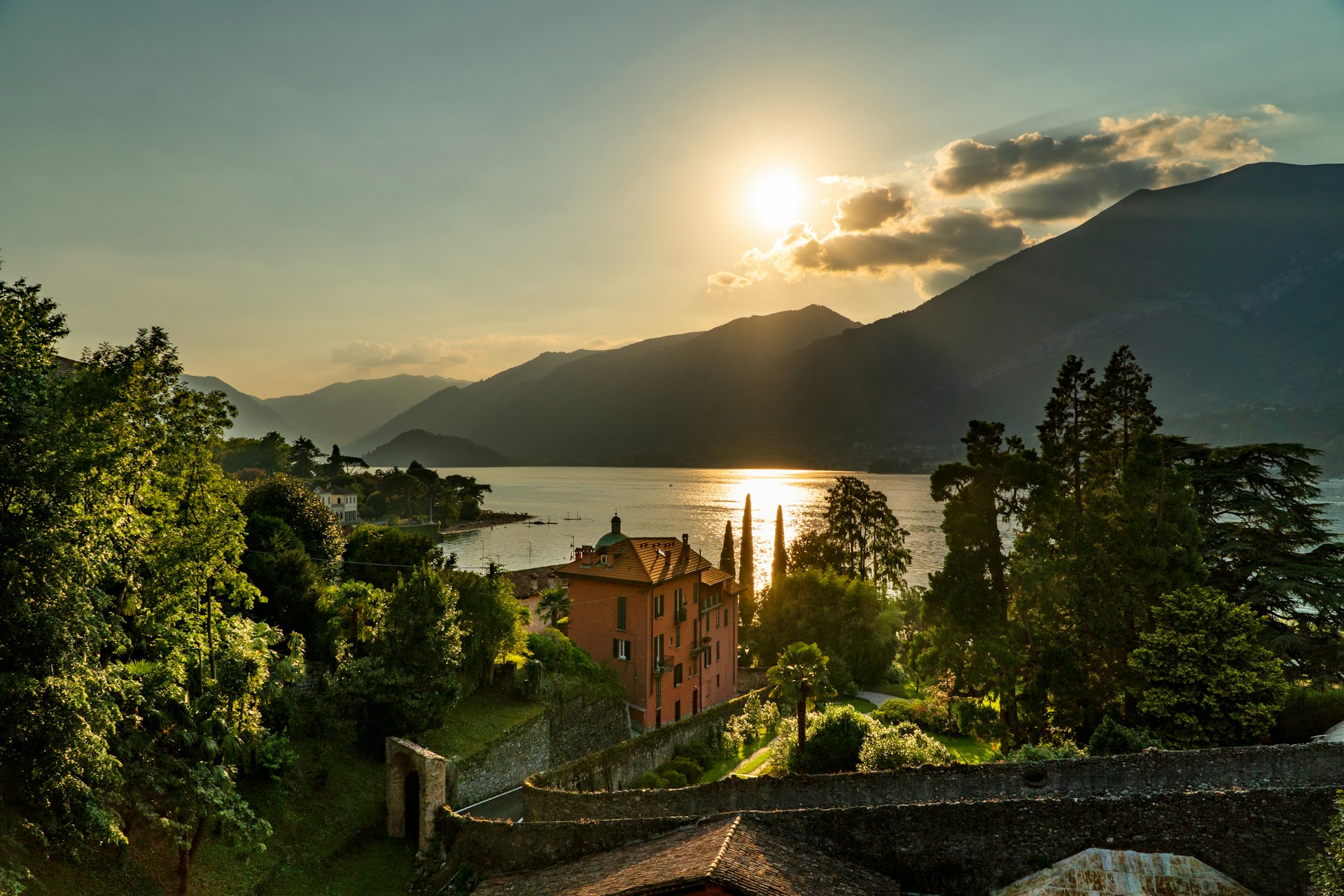
Lake Como sits in the pre-Alps north of Milan, in the Lombardy region, and runs in an inverted Y for around fifty kilometres between Como at the southern tip and the Alpine valleys further north. The lake is narrow, deep, and bordered by mountains that fall almost vertically into the water. The light is the lake's signature. Bellagio, the village at the fork of the Y, is what most international visitors picture when they imagine the lake.
Lake Garda sits further east, on the border of Lombardy, Veneto and Trentino, and is by some measures the largest lake in Italy. The shape is different. The northern third is narrow and Alpine, with cliffs and the Sirocco winds that make it one of the better sailing waters in Europe; the southern two-thirds open into a wide, low basin with olive groves, cypresses, and a climate that supports lemon trees in the open ground. Sirmione, the village on the southern peninsula, is the icon.
The two lakes share a season, a price level, and a quality of restaurant. They do not share an experience.
The seven dimensions
1. The atmosphere
Como is cinematic. The light, the shape of the mountains, the steep villages, the cypress trees behind the villas, are all instantly recognisable from a hundred films. The lake feels older, more aristocratic, slightly removed. It is the lake of nineteenth-century European travel writing.
Garda is Mediterranean. The wider basin, the olive groves, the bright southern light, the cycling culture along the eastern shore, give the lake a different temperature. Less aristocratic, more agricultural in the lower half, more sporting in the upper. Lake Garda feels less like a stage and more like a place where people actually live.
If the priority is the postcard, Como. If the priority is to be in the place rather than look at it, Garda.
2. The food
Como belongs to the Lombard lake tradition: missoltini (the salted, sun-dried shad), risotto al pesce persico (perch risotto), polenta uncia with the local cheese, the freshwater fish of the lake. The wines are mostly from the surrounding Lombard appellations and, increasingly, the small high-altitude vineyards above Bellagio.
Garda sits on top of three food cultures: the Lombard side has the same lake fish; the Veneto side runs into the Verona wine country (Soave to the south, Valpolicella and Amarone to the east); the Trentino side at the top of the lake brings Alpine influence. The olive oil of Garda, particularly from the Brescia side, is among the best produced in northern Italy and is its own argument for the lake.
If the food matters as a project (oil, wine country day trips, restaurant variety), Garda. If the goal is the regional lake repertoire at the highest level, Como.
3. Getting there from Milan
Como is the faster of the two. Como Town is around forty minutes north of Milan by car or train. The deeper end of the lake (Bellagio, Varenna, the Tremezzina) is roughly ninety minutes to two hours, depending on the road conditions on the SS340 along the western shore.
Garda is further but the route is easier. Lake Garda is around an hour and twenty minutes east of Milan by car on the A4 motorway. Sirmione, the iconic southern village, is the closest. The western shore villages (Gargnano, Limone) add another forty minutes of slow lakeside road. The eastern Veneto shore is best approached from Verona, twenty minutes inland.
From Milan, Como is faster. From Venice or Verona, Garda is the obvious choice.
4. The hotel scene
Como is dominated by the historic palace hotels on the lake shore and a small but growing field of boutique properties in the lakeside villages. The historic options are extraordinary but operate at a different price register. The boutique scene is the more interesting option for the contemporary traveller: smaller, owner-led, and built around the Como architectural tradition rather than the grand-hotel formula.
Garda has a wider hotel pyramid. The western shore (Gargnano, Limone) is where the contemporary luxury and wellness operators have concentrated. The southern shore (Sirmione, Desenzano) carries the heritage and mid-luxury offer. The eastern Veneto shore is quieter, with smaller country properties.
Como is denser at the top, lighter elsewhere. Garda is wider, with more variety at each price level.
5. The season and the weather
Como has a shorter optimal window. The lake is at its best from mid-May through late September. The shoulder months (April, October) can be beautiful but also produce serious cloud and mist; the lake's mountains compress the weather. The summer is rarely too hot because of the altitude and the breeze off the water.
Garda has a longer season and reliably better weather. The micro-climate of the basin, sheltered by the surrounding hills and warmed by the wide low water, supports a season from late March through October. The southern shore in particular has a Mediterranean climate, with palm trees, lemons in the open, and consistently more sun. Summer is hotter than Como, occasionally significantly so, but the water absorbs the heat well into the evening.
If the dates are not flexible and the weather has to work, Garda is the safer bet. If the dates can hit the high season, Como at its best is unmatched.
6. The water itself
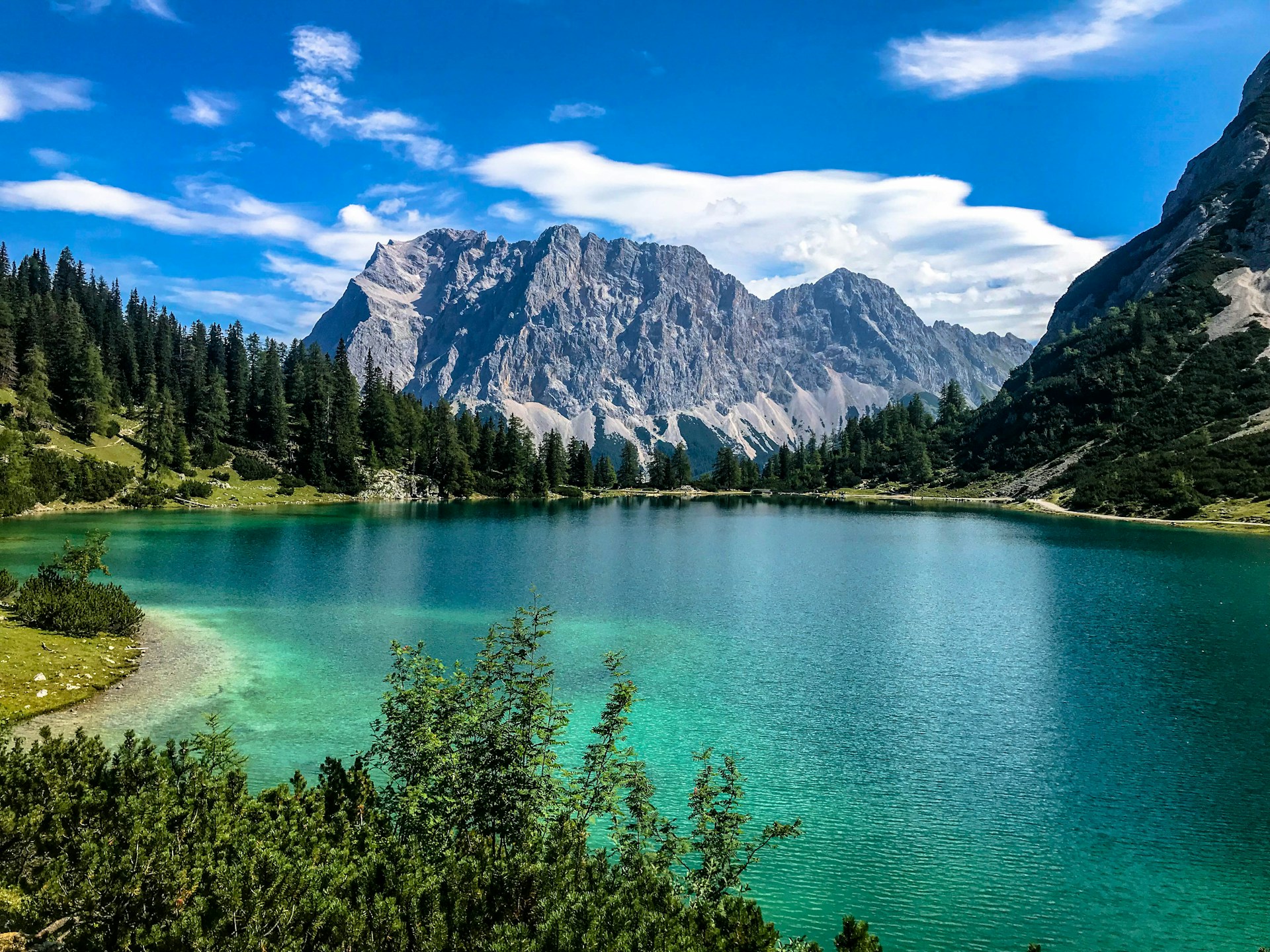
Como is deep, cold, and dramatic. Swimming is possible from mid-June through early September in the warmer bays, but the lake never quite reaches Mediterranean temperatures. Boats are the main way to use the water, and the boat traffic on the central reach of the lake is one of the experiences worth the trip.
Garda is warmer, wider, and more usable. The southern basin reaches twenty-three to twenty-five degrees in July and August, and is properly swimmable for around five months a year. The northern third (Riva del Garda, Torbole) is one of the most respected sailing and windsurfing destinations in Europe; the winds blow with predictable rhythm in the morning and afternoon.
Garda for the water as the main activity. Como for the water as the view from the room.
7. Who each lake is for
Como rewards the traveller who wants a short, intense, cinematic stay. The right window is four to six nights, often as part of a longer Italian itinerary that includes Milan, Lake Maggiore, or a continuation into the Alps. The honeymoon, the anniversary, the silver-wedding trip work well at Como. The family trip with young children does not always work as well: the lake is steep, the villages are vertical, and the practical logistics with strollers are harder than they look in the photographs.
Garda works for a wider range of trips. The honeymoon at the western shore, the family week on the southern peninsula, the cycling holiday on the eastern shore, the wellness retreat at a Gargnano property, are all entirely workable. The Garda holiday tends to be longer: a week to ten days, with the days structured around water and food rather than a tight sightseeing schedule.
If the answer is "intense and short", Como. If the answer is "longer and more varied", Garda.
If you choose Como
The boutique recommendation on the Como side is Palazzo Albricci Peregrini, a restored historic palazzo in central Como Town. The position is unusual for the lake: most of the well-known properties sit outside the towns, on the lake shore, an hour by boat from the city. Palazzo Albricci Peregrini sits inside Como Town itself, in a building whose courtyard and historic interiors carry the architectural texture of the place.
What this gives the guest, beyond the obvious, is access to the central Como evening: dinner in the small osterie behind the cathedral, the late walk along the lake promenade, the morning espresso on the square as the city moves. For travellers who want a Como stay that is more than the boat-from-Bellagio experience, the urban base is a better answer than the photographs suggest.
Best for: the first Como trip, the urban-and-water hybrid, the traveller who prefers a real city base to an isolated lakeside villa.
Length of stay: three to five nights.
Memorable detail: the historic courtyard at dusk, when the limestone of the Lombard architecture catches the warm evening tone and the building briefly looks the way it must have looked in the eighteenth century.
If you choose Garda
The Garda recommendation is the property that, more than any other on the lake, defines the contemporary Garda experience. Lefay Resort & Spa Lago di Garda, on the western shore at Gargnano, is one of the most serious wellness operators in Europe, with a property that doubles as a longevity destination (covered separately in the Top World Hotel piece on longevity retreats).
Beyond the wellness programme, what makes the property work for a general Garda stay is the geography. The position above Gargnano gives every villa a long view across the widest section of the lake, with the mountains of the Trentino side rising in the distance. The kitchen runs on the western Lombard tradition plus the property's own olive grove. The day is structured but not regimented; a guest who wants the lake as a backdrop to a less programmed week can have it.
Best for: the wellness-oriented stay, the longer holiday (seven to ten nights), the traveller who wants the lake as a daily ritual rather than a sightseeing destination.
Length of stay: five to seven nights minimum, ten for the wellness programme.
Memorable detail: the long swimming pool at sunset, when the light goes flat across the lake and the resort hands the guest one of the rare hours of European hotel quiet.
Day trips from each lake
Each lake extends differently. The day-trip options are part of how the destination is chosen.
From Como
Bellagio is the obvious water-borne day from any Como base. The boat across the lake to the village at the fork of the Y is one of the iconic European boat journeys; the morning service has the best light and the lighter passenger load. Lunch at one of the small restaurants on Salita Serbelloni, then a walk through the village and the gardens of Villa Melzi before the late-afternoon boat back.
Varenna sits on the opposite shore from Bellagio and is the village most international travellers underestimate. Smaller, quieter, with the steep path up to the Vezio castle and the long lakeside walk to Villa Monastero. A clean half-day from Como, easily combined with Bellagio on a single full day using the cross-lake ferries.
Lugano is the Swiss city forty minutes north by car from Como Town. The Italian-speaking canton, the lake-and-city combination, the museums (the Museo d'Arte della Svizzera Italiana is the unexpected highlight) and the Friday market in the central square. A serious day trip, ideally on a Friday or Saturday.
The Tremezzina and Villa Carlotta. The west shore between Como and Bellagio carries the historic villa gardens that defined the lake's nineteenth-century reputation. Villa Carlotta at Tremezzo is the most-visited; Villa del Balbianello at Lenno is the more photogenic. A half-day by boat from Como Town, longer by road.
From Garda
Verona is the obvious day trip from any Garda base, twenty minutes inland from the southern shore. The Roman arena, the medieval centre, Juliet's house for the photograph, lunch in one of the small kitchens behind Piazza dei Signori. The city's restaurant scene rewards a longer stay than most day-trippers give it.
The Valpolicella wine country sits between Verona and the eastern shore of Garda. A morning of two or three estate visits (Quintarelli, Allegrini, the smaller producers around Negrar) and lunch at the vineyard is a serious day. The hotel concierge organises the driver and the appointments; this is the day that does not work on a self-drive.
Sirmione is the small peninsula on the southern shore, with the thermal baths, the Scaliger castle, and the Catullus grottoes at the tip. Best visited in the early morning before the coach tours arrive; by midday the central pedestrian street is impassable in season. A half-day at most.
Trento and the Alpine north. The drive up the western shore toward Riva del Garda and onward to Trento opens the Alpine north of Italy. Riva at the head of the lake is one of the best windsurfing waters in Europe; Trento, an hour further, is a small Renaissance city with the Buonconsiglio castle and a quiet northern Italian dignity. A full day from a southern Garda base, easier from a western shore base like Gargnano.
Mantua is the Renaissance city forty-five minutes south of the lake on the road to Modena. The Palazzo Ducale, the Palazzo Te, the long colonnaded streets, and the food culture that bridges Veneto and Emilia-Romagna (the tortelli di zucca is one of the great northern Italian pastas). A full day with a long lunch.
Clichés worth correcting
The two lakes have accumulated, between the nineteenth-century travel writing and the contemporary Instagram economy, a set of received ideas that the on-the-ground reality does not always support.
"Como is for celebrities, Garda is for tourists." The celebrity reputation of Como is real but represents a small slice of the lake's actual life. The Como of working villages, restaurant kitchens and family-owned boutique hotels is significantly more interesting than the George Clooney narrative implies. Garda has its own high-end stratum (the western shore wellness operators in particular) that the cliché ignores.
"You can do both lakes in a weekend." No. The honest minimum for either lake alone is three nights. For both, ten nights is the working minimum, with at least four on each side and a transit day between. The weekend version produces a frustrating trip in which neither lake gets the attention it requires.
"Garda is just a beach lake." The southern shore beach culture is real, but it is one of several Gardas. The western shore is the wellness lake, the eastern Veneto shore is the wine country, the northern tip is the sailing lake. Garda is structurally more varied than Como, not less.
"Bellagio is the only place worth staying on Como." Bellagio is the most photographed village on the lake and operates accordingly. Varenna, Tremezzo, Bellano and the urban Como Town itself are alternative bases that produce a less crowded but equally lake-immersed experience. The traveller who books the first Como hotel on a Bellagio search is often paying a Bellagio premium for an experience that the neighbouring villages offer more cheaply.
"You need to drive to do these lakes properly." The opposite is closer to true. Both lakes are difficult to drive: narrow lakeside roads, strict ZTL (limited traffic zones) in every village, expensive lakeside parking. The boats on Como and the ferries on Garda do most of the work the rental car would do, more pleasantly. A driver-and-car for one or two specific day trips (Valpolicella, Lugano, Mantua) is the right pattern; a full rental for the trip is rarely the better choice.
A suggested ten-night combined trip
For travellers determined to do both lakes on a single trip, the structure below works.
Days 1 to 4: Como. Arrive at Milan Malpensa or Linate, transfer to Como Town and check in to Palazzo Albricci Peregrini. Day 2: Bellagio and Varenna by boat. Day 3: the Tremezzina villa gardens and a slow afternoon in Como Town. Day 4: a day trip to Lugano, returning for the evening.
Day 5: Transit. The drive from Como to the western shore of Garda is around two and a half hours via the A4 motorway. The cleanest version is to leave Como mid-morning, lunch at a Brescia restaurant on the route, and arrive at the Garda hotel in the mid-afternoon.
Days 5 to 10: Garda. Check in to Lefay Resort & Spa Lago di Garda at Gargnano. Day 6: a half-day on the property's wellness programme and a slow afternoon by the pool. Day 7: a day trip to Verona and the Valpolicella wineries. Day 8: full day at the resort. Day 9: a day trip to Trento and the Alpine north, or a slower exploration of the western shore villages. Day 10: morning at the resort, transfer to Milan or Verona airport in the afternoon.
Total drive time across the trip is roughly six hours, all on motorway or scenic lakeside road. The combined trip works because the two halves operate at different paces: the Como half is denser and more sightseeing-led, the Garda half is slower and more programme-led.
The decision matrix
| Dimension | Lake Como | Lake Garda |
|---|---|---|
| Atmosphere | Cinematic, aristocratic | Mediterranean, lived-in |
| Food | Lombard lake repertoire | Three food cultures, oil and wine country |
| From Milan | 40 to 90 minutes | 1h 20m by motorway |
| Hotel scene | Top-heavy, historic palaces | Wider pyramid, more variety |
| Season | Mid-May to late September | Late March through October |
| Water use | View and boats | Swimming, sailing, full water culture |
| Right trip length | Three to five nights | Five to ten nights |
| Best for | Honeymoon, short luxury, first Italy trip | Family, wellness, longer holiday |
Frequently asked questions
| Question | Answer |
|---|---|
| Which Italian lake is closer to Milan? | Lake Como. Como Town is roughly forty minutes north of central Milan, and Bellagio is around ninety minutes. Lake Garda is one hour and twenty minutes east of Milan on the A4 motorway, with the western shore villages adding another forty minutes of slower lakeside road. |
| Is Lake Como more romantic than Lake Garda? | Both lakes work for a romantic stay, but the registers are different. Como is cinematic and aristocratic, with steep villages and dramatic mountain light; it suits a short, intense honeymoon or anniversary. Garda is warmer and more open, with longer holidays and a wellness or food-led structure. For a first romantic Italian-lake trip, Como is the more obvious choice. For a longer stay, Garda often wins. |
| Which lake is better for families with young children? | Garda. The southern peninsula around Sirmione has wide promenades, level beaches, swimmable water from June through September, and more child-oriented infrastructure. Lake Como is steep, vertical, and harder to manage with strollers or younger children. The Como villages are extraordinary on foot but tiring with a family in tow. |
| When is the best time of year to visit Lake Como? | Mid-May through late June and early September through mid-October. The high summer (July, August) is the busiest but also the most reliable for sun. April and late October can be beautiful but the weather is unpredictable; the mountains around the lake compress the cloud quickly. |
| When is the best time of year to visit Lake Garda? | Late April through early June, and late September through mid-October. The Garda micro-climate gives a longer season than Como, and the shoulder months are reliably warm enough to swim from late May. July and August are very busy on the southern shore but the basin spreads the crowd more evenly than Como manages. |
| Can travellers do both lakes in one trip? | Yes, but only with at least ten nights to spare. The honest structure is four nights at Como first, then a transfer (around three hours by car) to Garda for six nights. Trying to do both in less than seven nights produces a frustrating trip in which neither lake gets the attention it requires. |
| Which lake has better food and wine? | Garda has more food and wine variety because of its position at the junction of three regional cuisines (Lombardy, Veneto, Trentino) and within reach of the Verona wine country. Como has fewer but more concentrated food experiences, all in the Lombard lake tradition. For a food-led trip, Garda; for the regional repertoire at its best, Como. |
| Is one lake significantly more expensive than the other? | The two lakes operate at similar price levels at the top end of the market, but the average cost of a Garda holiday is lower because of the wider hotel pyramid. A serious boutique stay at either lake sits in the same range; the more affordable mid-luxury options are more numerous at Garda. |