Design Hotels Japan: The Complete 2026 Guide for Architecture and Design Lovers
From traditional ryokans to contemporary luxury, here is where to stay if you care about how spaces are made.
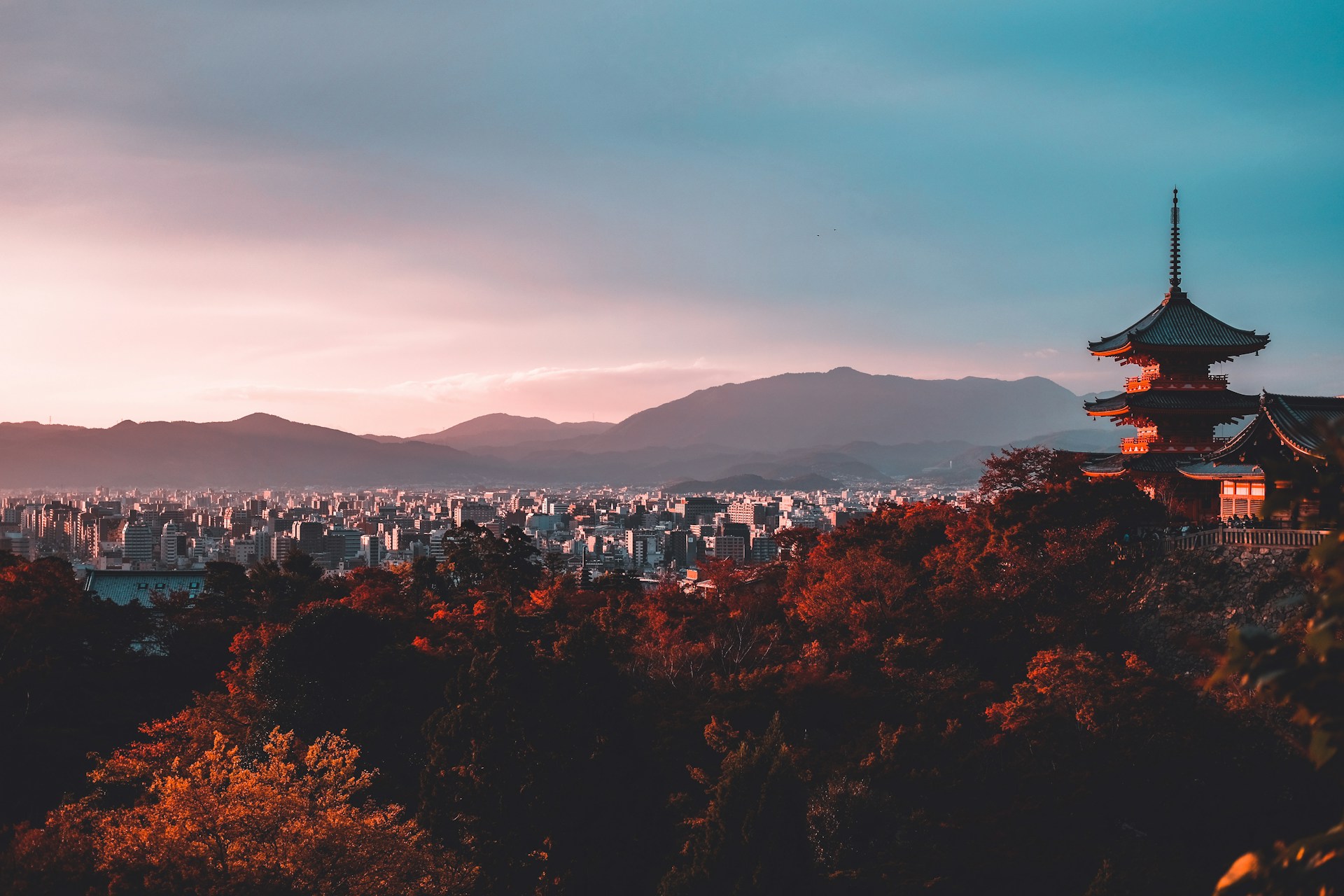
Japan's design hotels represent a fundamentally different approach to hospitality. While Western luxury typically adds, more amenities, more space, more thread count, Japanese design subtracts. The result is accommodation that does not merely shelter you but proposes a way of seeing, a slower attention to materials, light, and the space between things.
This guide covers the best design hotels in Japan for 2026, with focus on two Tokyo properties that represent opposite ends of the spectrum: Yuen Bettei Daita, a 35-room urban ryokan in Setagaya ward, and Janu Tokyo, the 122-room flagship of Aman's new sister brand in Azabudai Hills. Together, they illustrate where Japanese hospitality is heading and why travellers who care about architecture and interiors are paying attention.
What Makes Japanese Design Hotels Different
Before examining specific properties, it helps to understand the philosophical foundations that shape Japanese interiors. Three concepts recur across the country's best hotels.
Ma (間) is the Japanese concept of negative space, the interval between objects, the pause in conversation. In hotel design, ma explains why traditional rooms feel calm despite minimal furnishing. There is room to breathe. The emptiness is intentional.
Wabi-sabi (侘寂) celebrates imperfection and transience. A cracked ceramic bowl repaired with gold becomes more beautiful, not less. A weathered wooden beam carries history. Hotels influenced by wabi-sabi avoid the pristine and prefer materials that age gracefully.
Shakkei (借景), or borrowed scenery, integrates exterior views into interior space through careful framing. A window becomes a painting. The garden extends the room.
These principles emerged from centuries of spatial constraint, Buddhist philosophy, and respect for natural materials. Understanding them transforms a hotel stay from visual pleasure into intellectual engagement. Japanese design hotels differ from Western luxury properties through their emphasis on subtraction rather than addition. The concepts of ma, wabi-sabi, and shakkei shape interiors that prioritise intention over abundance.
Yuen Bettei Daita: Tokyo's Finest Urban Ryokan
Yuen Bettei Daita is a 35-room urban ryokan in Tokyo's Setagaya ward, opened in 2020. It features onsen water from Hakone, kaiseki dining at Tsukikage restaurant, and sits eight minutes from Shimokitazawa's vintage shopping district. Room rates range from ¥35,000–¥80,000 per night, making it accessible for travellers seeking authentic ryokan experience without the premium of historic countryside properties.
What is a Ryokan?
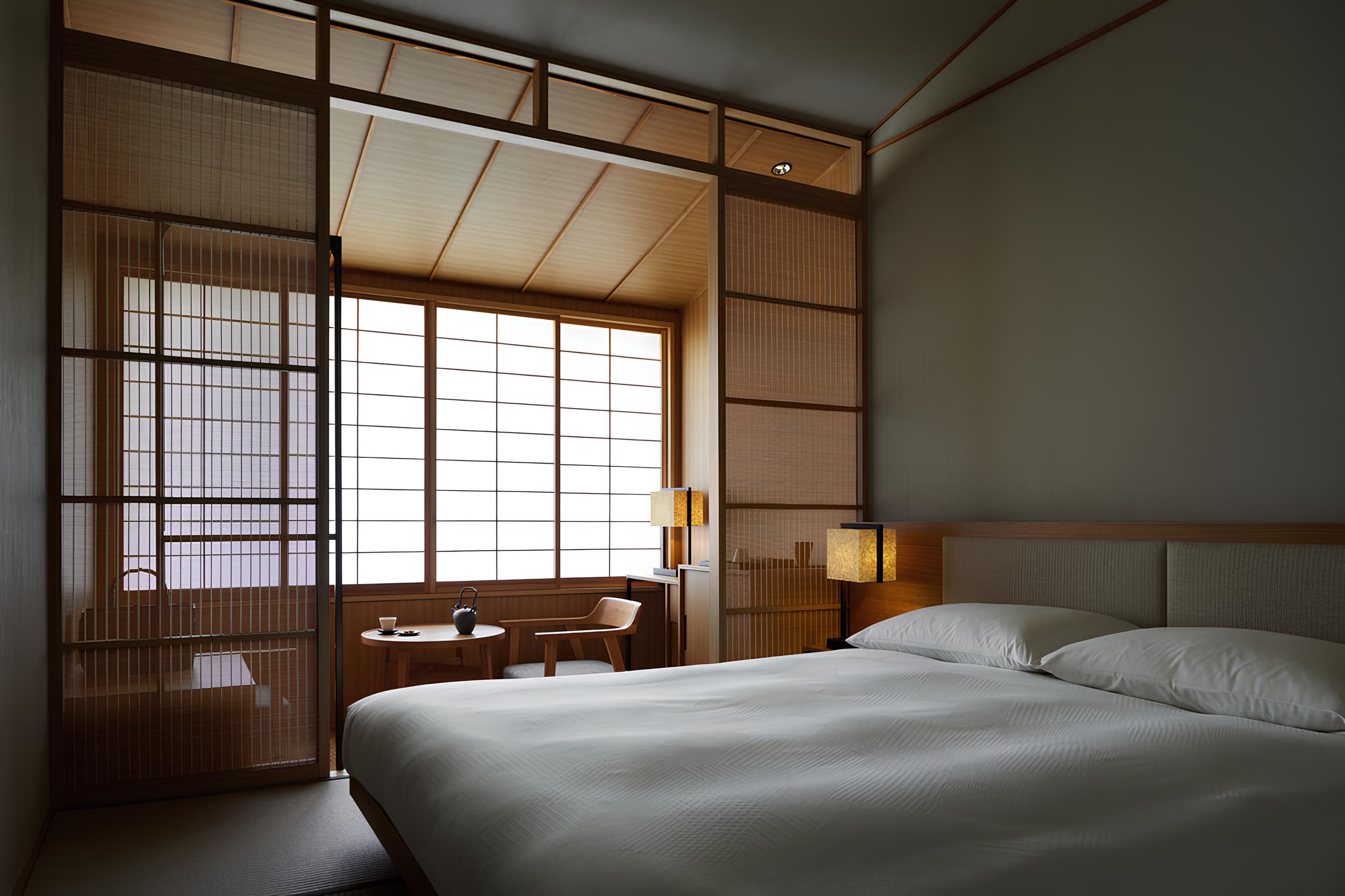
A ryokan is a traditional Japanese inn, typically featuring tatami-floored rooms, communal hot spring baths (onsen), futon bedding laid out by staff, and kaiseki multi-course dinners. The format dates to the 8th century. The oldest operating ryokan, Nishiyama Onsen Keiunkan, has welcomed guests since 705 AD.
Yuen Bettei Daita brings this tradition into central Tokyo. The property pipes genuine onsen water from Hakone, the volcanic region that has supplied the capital with mineral springs for centuries. The architecture translates traditional Japanese forms, slatted sliding doors, stone pathways, paper screens, into contemporary idiom without pastiche.
The Location: Setagaya and Shimokitazawa
The setting is unexpected. Setagaya is a residential ward where Tokyoites actually live rather than visit. One minute from Setagaya-Daita Station, the ryokan sits at the edge of Shimokitazawa, a neighbourhood synonymous with vintage fashion and independent culture.
Shimokitazawa contains over 200 secondhand clothing stores. Shops like Chicago, Flamingo, and New York Joe Exchange sell curated American vintage, from Levi's 501s to 1990s band T-shirts. Beyond fashion, the area offers record shops, independent theatres, specialty coffee roasters, and restaurants ranging from ramen counters to kaiseki-influenced tasting menus.
The juxtaposition defines the Yuen Bettei experience: soak in an onsen at dusk, eat kaiseki by candlelight, then walk ten minutes to drink cheap beer in a bar the size of a closet while a three-piece band plays jazz.
The Onsen Experience
The public baths, separated by gender in traditional style, use mineral-rich water transported from Hakone. Bathing follows ritual: shower first, wash thoroughly, enter the water only when clean. The bath is for soaking, not cleaning. Some rooms feature private outdoor baths. An ice cream bar outside the main baths provides post-soak refreshment, a modern concession that purists might question but tired travellers appreciate.
Dining: Tsukikage
The restaurant takes its name from the final poetry collection of Mokichi Saito, who spent his last years in Daita. Kaiseki dinner here is seasonal and precise, a procession of small plates emphasising local ingredients. Sake is curated by an in-house expert. The layout feels domestic rather than commercial: low tables, intimate scale, the sense of eating in someone's home.
The property works particularly well for travellers who find classic ryokans intimidating. The English is solid. The staff understand that foreign guests may not know the etiquette and are patient about explaining it. And the neighbourhood offers a version of Tokyo life that most visitors never see: quiet residential streets, local bakeries, a pace that feels almost suburban.
Janu Tokyo: Contemporary Luxury Meets Japanese Calm
Janu Tokyo opened in March 2024 as the first hotel from Aman's sister brand Janu. Located in Azabudai Hills, it has 122 rooms, eight restaurants, and a 4,000 sqm wellness centre including Tokyo's first hotel boxing ring. Room rates start at approximately ¥120,000 per night, positioning it in the upper tier of Tokyo's luxury market. The hotel is designed for connection rather than retreat, social energy balanced with Japanese calm.
The Aman Connection
Janu is the sister brand Aman Group created to reach a younger, more social audience. Where Aman properties design for seclusion, hushed villas and whispered conversations, Janu designs for gathering. The name means "soul" in Sanskrit. The intention is creating spaces where guests linger, talk, meet. Janu Tokyo is the brand's flagship, its proof of concept. Twelve more properties are planned globally.
The Location: Azabudai Hills
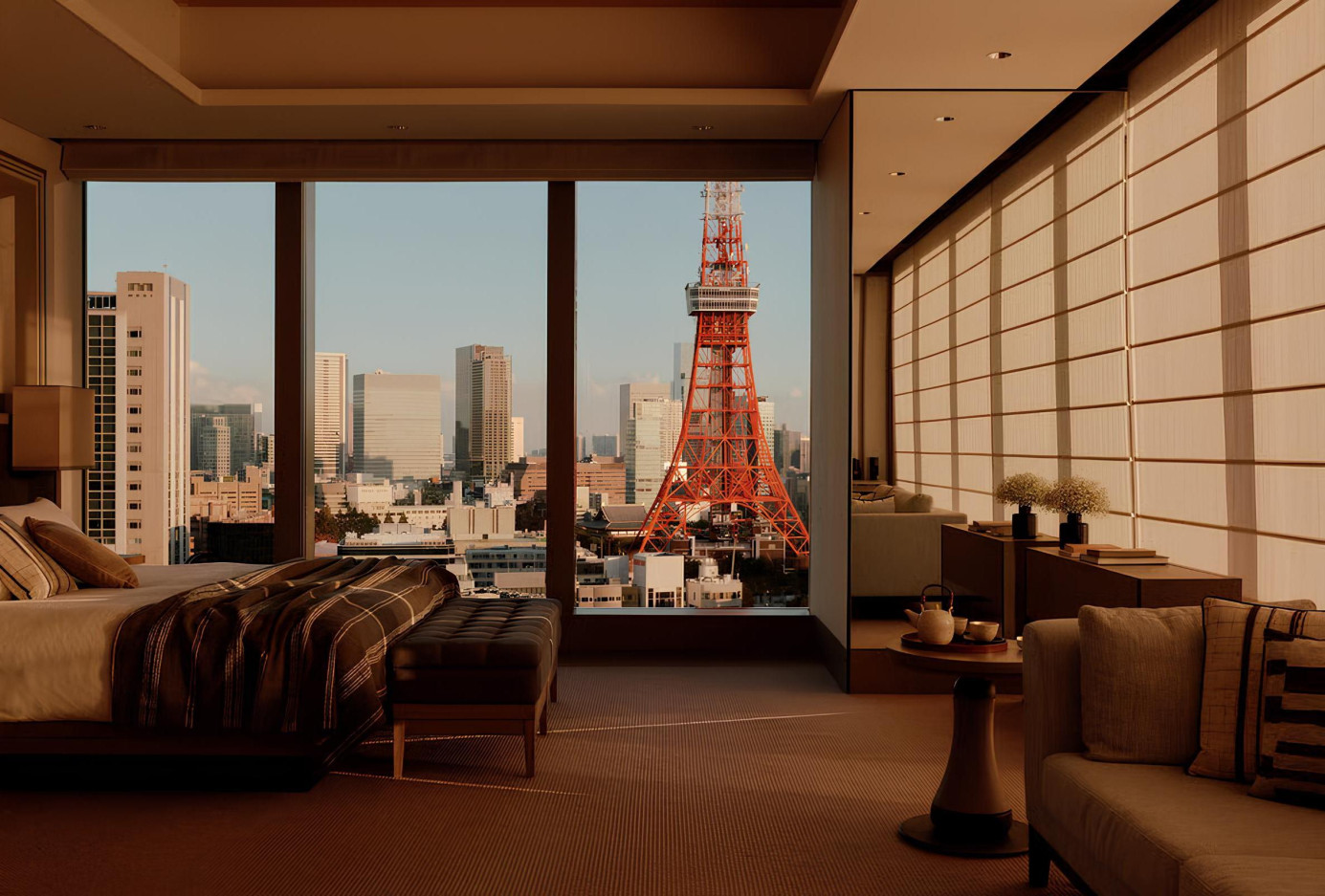
Azabudai Hills is Tokyo's newest mega-development, completed in 2023 after thirty years of planning by Mori Building Company. The complex includes Japan's tallest building (Mori JP Tower at 330 metres), 24,000 square metres of green space designed by Thomas Heatherwick's studio, the relocated teamLab Borderless immersive art museum, and over 150 retail and dining outlets. Janu is the only hotel in the development, occupying thirteen floors of Residence A Tower with views across to Tokyo Tower.
Design: Jean-Michel Gathy
Jean-Michel Gathy of Denniston, who has shaped Aman properties for decades, designed the interiors. The aesthetic balances Japanese minimalism with European warmth: clean lines and sliding shoji-inspired doors, but also oversized French lampshades and curved sofas in kaleidoscopic upholstery. Rooms start at 55 square metres, large by Tokyo standards. Most have private balconies. The palette is calm: cream, teal, grey. Beds face windows. The Janu Suite, combinable with connecting rooms, reaches over 500 square metres.
The Wellness Centre
Janu's wellness facility spans four floors and 4,000 square metres, making it one of Tokyo's largest hotel fitness centres. The philosophy is social wellness, exercise and recovery as shared experience. The 340 square-metre gym includes Tokyo's first hotel boxing ring. Five movement studios offer spinning, yoga, Pilates, and a golf simulator. The pool, 25 metres long, floats above the city with views that make lap swimming feel like meditation.
The thermal area draws from both Japanese and European bathing traditions. There is a heated lounge pool with a fireplace nearby, saunas and steam rooms in the changing areas, and two private Spa Houses that can be booked for up to four guests, each containing a double treatment room, living area, and either a banya (Russian sauna) or hammam (Turkish steam room).
Daily programming includes eight to twelve group classes, from high-intensity circuit training to breathwork. The Wellness Collective membership opens facilities to Tokyo residents, building community around the space.
Eight Restaurants
Janu Tokyo operates eight dining venues, each with distinct identity. Sumi offers sumibiyaki (charcoal grill) omakase for just thirteen guests around a live grill, showcasing Kuroge wagyu and seasonal ingredients. Iigura reinterprets Edomae sushi behind a hinoki wood counter, with Chef Kunihiro Shinohara presenting the day's market selection. Hu Jing delivers contemporary Cantonese cuisine in a room evoking 1920s Shanghai, with roast duck as the signature.
Janu Grill handles breakfast and all-day dining with show kitchens. Janu Mercato operates like an Italian market, with counters for fresh pasta and charcuterie. Janu Patisserie produces pastries that photograph well and taste better. Janu Bar, in the fifth-floor lobby with views of Tokyo Tower, serves cocktails designed to evoke different Tokyo neighbourhoods. And Janu Lounge offers afternoon tea on a garden terrace.
The scale is intentional. Janu wants guests to treat the hotel as destination, moving between venues rather than leaving the building.
Yuen Bettei Daita vs Janu Tokyo: Which to Choose
These two properties exist at opposite ends of Japanese hospitality, and choosing between them depends on what you want from a stay.
Yuen Bettei Daita is inward-looking, a place of ritual and retreat, where the point is disconnection. The 35 rooms enforce intimacy. There is no gym because you are supposed to be soaking. There is one restaurant because you are supposed to be present. The location in residential Setagaya, near Shimokitazawa's vintage shops and independent bars, offers a quieter, more local Tokyo. Rates from ¥35,000 per night make it accessible. Choose Yuen Bettei if you want authentic ryokan experience without leaving Tokyo, if you prefer intimate scale and quiet, if onsen bathing and kaiseki are priorities, or if you are interested in Tokyo's subculture scene.
Janu Tokyo is outward-looking, designed for engagement. The 122 rooms accommodate groups and families. Eight restaurants reward exploration. The wellness centre invites you to sweat alongside strangers. The location in Azabudai Hills integrates the hotel into galleries, luxury retail, and teamLab's immersive art. Rates from ¥120,000 per night position it as serious luxury. Choose Janu if you are travelling with family or friends, if fitness and wellness programming matter, if you want multiple dining options on-site, or if you prefer contemporary luxury over traditional forms.
The smart traveller might book both. Start at Janu to adjust to Tokyo's rhythm, shake off jetlag with the wellness centre, explore Azabudai Hills. End at Yuen Bettei to slow down, soak, and prepare for the journey home. The combination offers a complete picture of Japanese hospitality in 2026: high-concept global luxury and rooted local tradition, separated by a twenty-minute taxi ride.
Practical Information for Design Travellers in Japan
Best Time to Visit
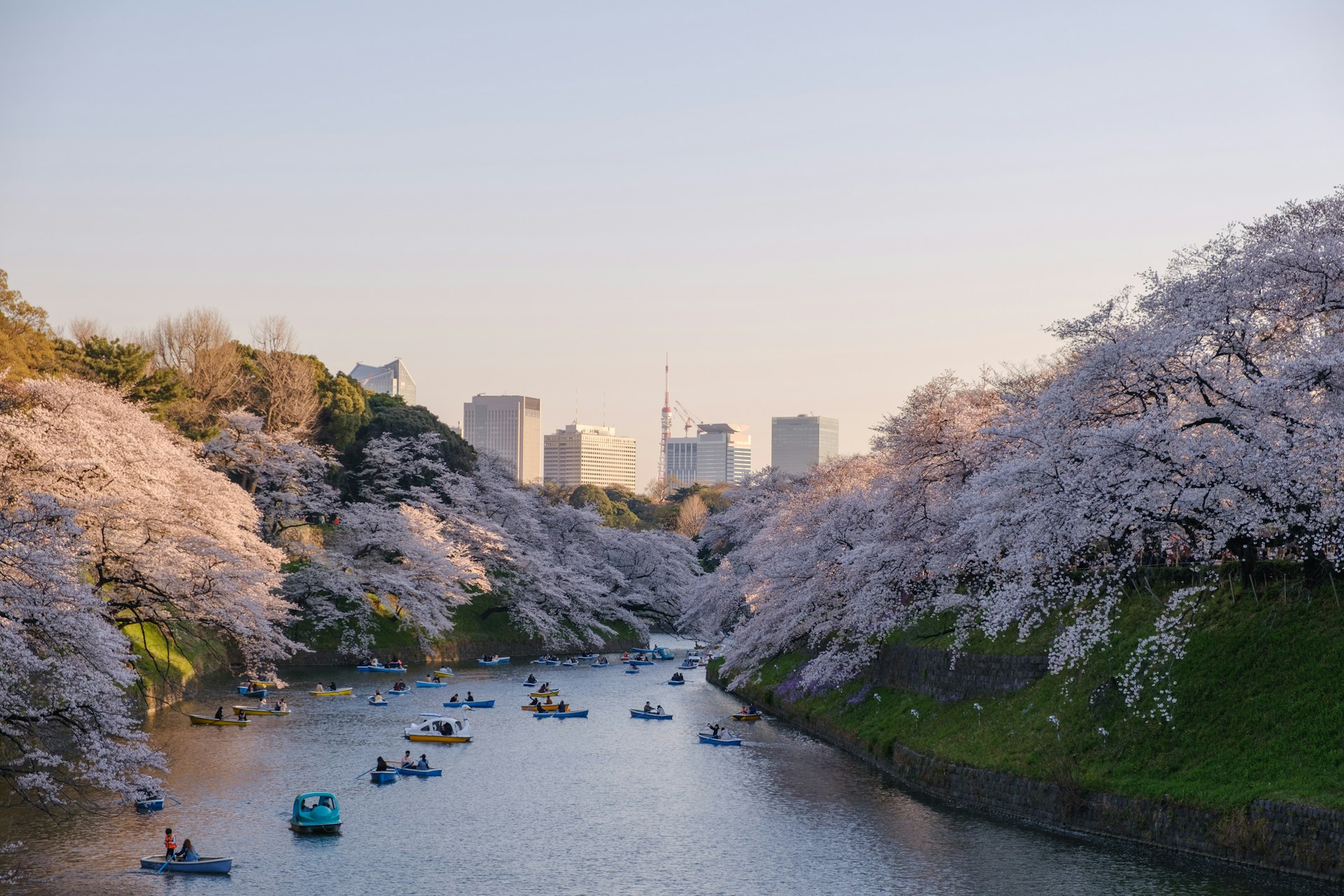
Spring (late March through May) brings cherry blossoms and mild weather but also peak crowds and higher prices. Summer is humid, with rainy season in June, though festivals and fireworks compensate. Autumn (September through November) offers stunning foliage and clear skies, with November crowds approaching spring levels. Winter (December through February) is underrated: fewer tourists, cold but beautiful weather, and the particular pleasure of outdoor onsen in low temperatures.
Ryokan Etiquette
The basics are simple. Remove shoes at the entrance and use provided slippers. Switch slippers again for bathroom areas. Shower thoroughly before entering onsen, the bath is for soaking only. Keep tattoos covered if possible, though attitudes are relaxing, particularly at properties catering to international guests. Arrive by late afternoon to maximise onsen time before kaiseki dinner. Leave your phone in the room during meals and bathing.
General Tips
Tipping is not expected and can cause confusion. Punctuality matters, arrive on time for reservations. Noise levels in public spaces are lower than Western norms. Accept upgrades graciously, Japanese hospitality often works through subtle gestures rather than announced offers. A few basic phrases help: arigatou gozaimasu (thank you), sumimasen (excuse me), oishii (delicious).
Getting There
Narita International Airport sits 60–90 minutes from central Tokyo by Narita Express or Skyliner. Haneda Airport is closer, 30–45 minutes by monorail or Keikyu line. The Japan Rail Pass offers excellent value for travellers visiting multiple cities, purchase before arrival.
Reading Before You Go
Jun'ichiro Tanizaki's In Praise of Shadows remains the essential text on Japanese aesthetics, particularly the treatment of light and darkness. Leonard Koren's Wabi-Sabi for Artists, Designers, Poets & Philosophers provides a clear introduction to the concept. Kenya Hara's White offers a contemporary perspective from Muji's art director. All three are short enough to finish on the flight.
Frequently Asked Questions
What is the difference between a ryokan and a hotel?
A ryokan is a traditional Japanese inn featuring tatami-floored rooms, futon bedding, communal onsen baths, and kaiseki multi-course meals. Hotels offer Western-style rooms and amenities. Ryokans emphasise ritual and cultural immersion, while hotels prioritise convenience and familiarity. Many design-conscious travellers book both during a Japan trip.
How much do design hotels in Japan cost?
Prices vary significantly. Urban ryokans like Yuen Bettei Daita start around ¥35,000 per night (approximately €220). Contemporary luxury properties like Janu Tokyo start around ¥120,000 per night (approximately €750). Historic countryside ryokans can exceed ¥100,000 per night.
Do you need to speak Japanese to stay at a ryokan?
No. Major ryokans and design hotels have English-speaking staff and written materials. Properties like Yuen Bettei Daita specifically accommodate international guests who may be unfamiliar with etiquette. Staff will explain procedures for bathing, dining, and room use.
Can you visit a ryokan onsen if you have tattoos?
Traditionally, tattoos were prohibited in onsen due to associations with organised crime. Attitudes are relaxing, particularly at hotels catering to international guests. Some properties now allow tattoos if covered with waterproof bandages. Call ahead or choose properties with private baths to avoid issues.
What is kaiseki?
Kaiseki is traditional Japanese multi-course haute cuisine, typically served at ryokans. Meals include ten to fifteen courses showcasing seasonal ingredients, each dish considered for taste, texture, colour, and presentation. Kaiseki evolved from tea ceremony food and emphasises craftsmanship over quantity.
When is the best time to visit Japan for design travellers?
Autumn (November) offers comfortable weather, stunning foliage, and fewer crowds than spring cherry blossom season. Winter (January–February) provides the pleasure of outdoor onsen in cold weather, minimal tourists, and clear skies for architecture photography.
Plan Your Design-Focused Japan Trip
Japan rewards travellers who care about how spaces are made. The country's design hotels, from centuries-old ryokans to contemporary properties like Janu Tokyo, offer more than accommodation. They propose a way of seeing: attentive, intentional, aware of what surrounds you.
Start with these two Tokyo properties to understand the range. Yuen Bettei Daita grounds you in tradition, in ritual refined over generations. Janu Tokyo shows how Japanese aesthetics can scale, can socialise, can meet global luxury on its own terms.
You will see differently when you return.