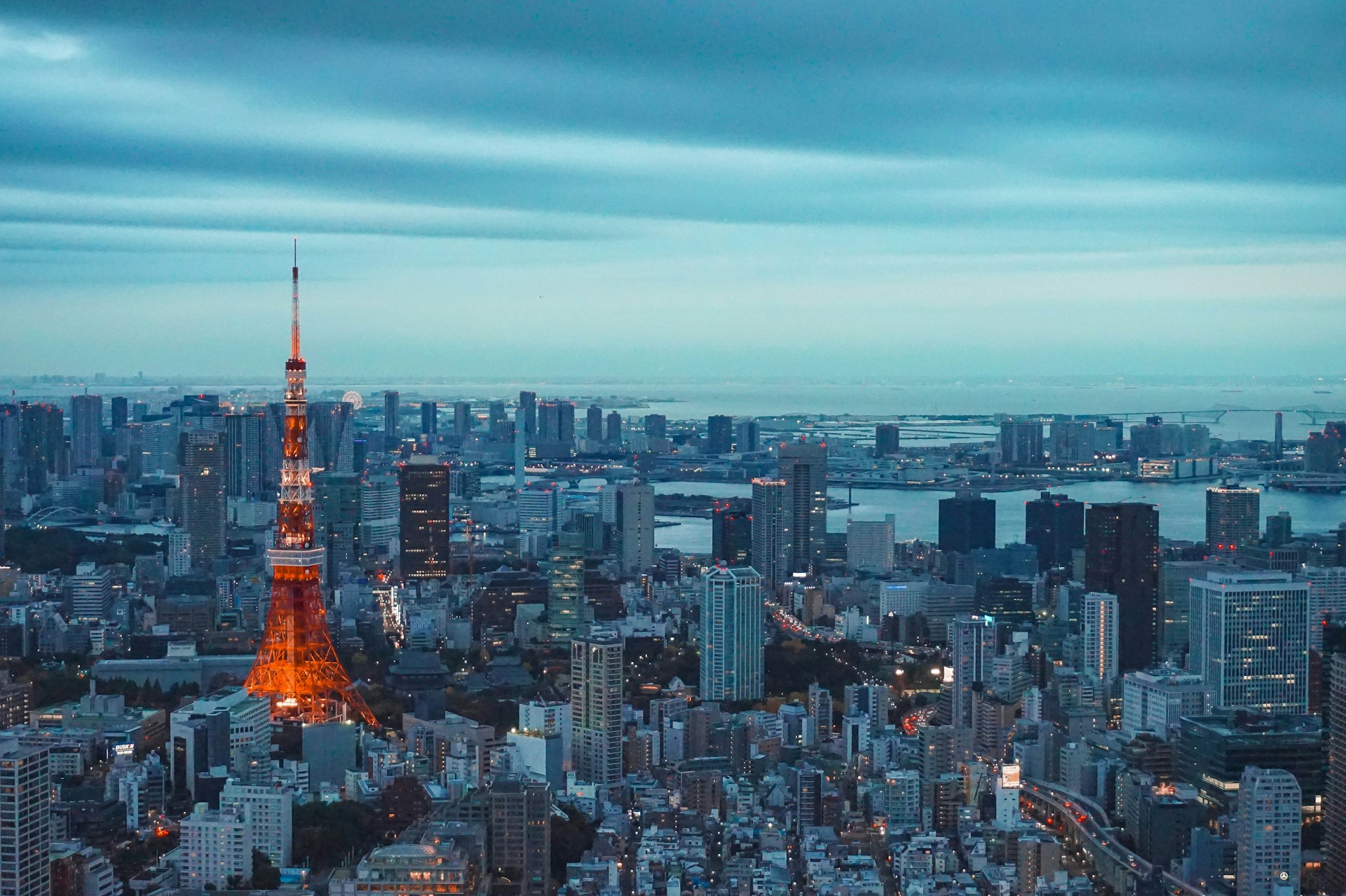
Japan
Kyoto temples, Tokyo neon, and the seasonal ritual that turns every visit into a different country.
Introducing Japan
Japan rewards travellers who think in seasons. Cherry blossom in spring, momiji in autumn, the snow festivals of Hokkaido in winter, the cicada hum of summer Kyoto. Tokyo and Kyoto sit at opposite ends of the Shinkansen: the world's most precise metropolis and the past in perfect working order. Between them, the Inland Sea islands, the Hakone onsens and the temple stays of Mount Koya.
See hotelsYour Travel Notes
Currency
Japanese Yen (JPY). Cards work in cities but Japan is still surprisingly cash-friendly. Konbini ATMs (7-Eleven, FamilyMart) work with foreign cards. IC cards (Suica, Pasmo) cover trains and most konbini.
Cuisine
Sushi at Tsukiji or after-Tsukiji, ramen by region (tonkotsu in Fukuoka, shoyu in Tokyo, miso in Sapporo), kaiseki at a ryokan once per trip if budget allows. Konbini food in Japan is better than half the world's restaurants.
Transport
The Shinkansen is the spine of the country and the JR Pass remains worthwhile if you cover three or more long-distance legs. In cities, IC cards on the metro; for Kyoto temples a bus day pass beats a taxi. Suica works on every line.
Tipping etiquette
Don't tip. It is awkward, sometimes refused, and never expected. The service you receive is built into the price and the culture.
When to go
Late March to early April for cherry blossom (peak demand: book a year ahead). November for autumn foliage in Kyoto and Nikko. Winter for skiing in Hokkaido (Niseko, Furano) and onsen in Hakone. Avoid Golden Week (late April to early May) and Obon (mid-August).
Tips for travel in Japan
Latest Article and news

